U.S. Deer-Vehicle Collisions Fall 7 Percent
Mishaps Most Likely In November And In West Virginia
Bloomington, Ill, Oct. 3, 2011
For the third consecutive year, the number of deer-vehicle collisions in the U.S. has dropped. And the downturn is accelerating. The percentage decline over the last year is nearly three times as large as during the previous two years combined.
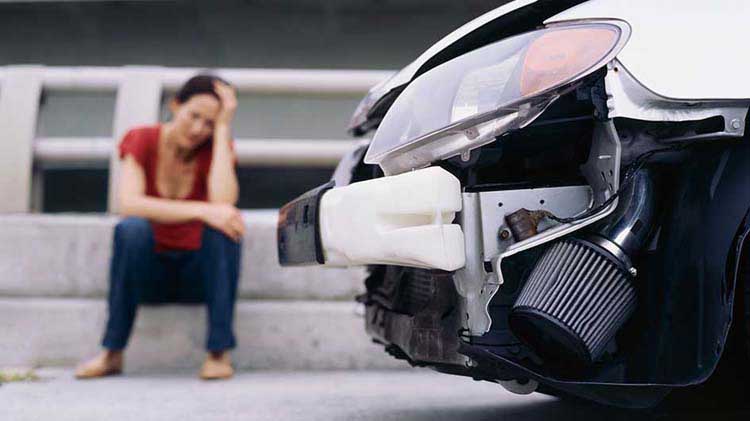
Using its claims data, State Farm®, the nations leading auto insurer, estimates 1.09 million collisions between deer and vehicles* occurred in the U.S. between July 1, 2010 and June 30, 2011. Thats 9 percent less than three years ago and 7 percent fewer than one year ago.
Among those states in which at least 2,000 deer-vehicle collisions occur per year, Vermont (24 percent), Michigan (23 percent), West Virginia (22 percent) and Connecticut (22 percent) experienced the largest one-year percentage declines. There were 23,000 fewer deer-vehicle altercations in Michigan alone. Michigan is second on the list of states with the highest total number of these collisions (78,304), well behind Pennsylvania (101,299).
Where are deer-vehicle collisions most likely?
For the fifth year in a row, West Virginia tops the list of states where an individual driver is most likely to run in to a deer. Using its claims data in conjunction with state licensed driver counts from the Federal Highway Administration, State Farm calculates the chances of a West Virginia motorist striking a deer over the next 12 months at 1 in 53, an improvement over a year ago when the odds were 1 in 42.
Iowa remains second on the list. The likelihood of a licensed driver in Iowa hitting a deer within the next year is 1 in 77. South Dakota (1 in 81) moves up one place to third. Pennsylvania (1 in 86) jumps two places to fourth. Michigan (1 in 90) drops from third to fifth.
Montana is sixth, followed by Wisconsin and Minnesota. North Dakota and Wyoming round out the top 10. In eight of the top 10 states (Minnesota and Wyoming are the exceptions), the rate of deer-vehicle collisions per driver went down from a year ago.
The state in which deer-vehicle collisions are least likely is still Hawaii (1 in 6,267). The odds of a Hawaiian driver colliding with a deer between now and 12 months from now are approximately equal to the odds that that driver is a practicing nudist.
U.S. map showing likelihood of deer-vehicle collision by state
Chart listing likelihood of vehicle-deer collision by state
When do deer-vehicle collisions occur?
State Farms data shows that November, the heart of the deer migration and mating season, is the month during which deer-vehicle encounters are most likely. More than 18 percent of all such mishaps take place during the 30 days of November.
Deer-vehicle collisions are three times more likely to occur on a day in November than they are on any day between February 1st and August 31st. October is the second most likely month for a crash involving a deer and a vehicle. December is third.
The average property damage cost of these incidents during the final half of 2010 and the first half of 2011 was $3,171, up 2.2 percent from the year before.
Avoiding Deer-vehicle collisions
State Farm has a long history of supporting auto safety, said Laurette Stiles, State Farm Vice President of Strategic Resources. Calling attention to potential hazards like this one is part of our DNA. While we cant put our finger directly on whats causing a decline in deer-vehicle collisions, wed like to think media attention to our annual report on this subject has had at least a little bit to do with it.
Here are tips on how to reduce the odds of a deer-vehicle collision involving your vehicle becoming part of the story we tell next year:
- Be aware of posted deer crossing signs. These are placed in active deer crossing areas.
- Remember that deer are most active between 6 and 9 p.m.
- Use high beam headlamps as much as possible at night to illuminate the areas from which deer will enter roadways.
- Keep in mind that deer generally travel in herds if you see one, there is a strong possibility others are nearby.
- Do not rely on car-mounted deer whistles.
- If a deer collision seems inevitable, attempting to swerve out of the way could cause you to lose control of your vehicle or place you in the path of an oncoming vehicle.
* Broadcast quality video and supplemental multimedia assets are available for download at the State Farm Newsroom.
About State Farm®
State Farm and its affiliates are the largest provider of car insurance in the U.S. and is a leading insurer in Canada. In addition to providing auto insurance quotes, their 17,800 agents and more than 66,000 employees serve 81 million policies and accounts more than 79 million auto, home, life and health policies in the United States and Canada, and nearly 2 million bank accounts. Commercial auto insurance, along with coverage for renters, business owners, boats and motorcycles, is also available. State Farm Mutual Automobile Insurance Company is the parent of the State Farm family of companies. State Farm is ranked No. 37 on the Fortune 500 list of largest companies. For more information, please visit http://www.statefarm.com or in Canada http://www.statefarm.ca.