Sauna benefits, risks and safety tips
Saunas may help some people relax, and some users report better sleep. Research on post-exercise recovery is mixed, and evidence for broader or lasting health benefits remains limited. Risks include dehydration, dizziness, overheating, burns and falls, so use short sessions, stay hydrated and leave if you feel unwell.
Saunas use heat to warm the body and cause sweating. Heating methods, temperatures and humidity levels vary among sauna types.
Get a homeowners insurance quote
Want to protect your home?
What are the potential benefits of a sauna?
People often use saunas to relax, and some sauna users report better sleep. However, that observational study doesn’t show that sauna use caused the difference. Research on post-exercise heat exposure, including sauna use, is mixed. Some studies found recovery benefits, while others found no benefit or worse short-term performance.
Sauna heat temporarily raises heart rate and increases blood flow, but these short-term responses don’t prove that sauna use produces lasting benefits for heart health. Researchers continue to study possible long-term effects on heart and blood vessel health, but evidence for many proposed benefits remains limited. Sauna use shouldn’t replace exercise, prescribed treatment or medical care.
Sauna use may cause a temporary loss of water weight through sweating, but it isn’t a fat-loss treatment. Much of that weight returns after fluids are replaced.
What are the risks of using a sauna?
Common sauna risks include dehydration, overheating, dizziness, fainting, burns and falls. Risk may increase when a session is too long, a person is already dehydrated or alcohol or certain medicines affect the body’s response to heat.
Leave the sauna if you notice signs of overheating, such as dizziness, weakness, nausea, shortness of breath or headache. Cool down and seek medical help for severe symptoms or symptoms that continue after leaving the sauna.
Types of saunas and sauna temperatures
Typical sauna temperature ranges vary by type, with traditional saunas generally operating at higher temperatures than infrared saunas. Steam rooms use moist heat and are included for comparison.
Traditional dry sauna
An electric or wood heater warms the air, often with relatively low humidity
About 150 to 195 degrees Fahrenheit
Infrared sauna
Infrared panels heat the body more directly than the surrounding air
About 120 to 140 degrees Fahrenheit
Steam room
Steam creates warm, humid air rather than dry heat
Usually cooler than a dry sauna, but settings vary
Lower air temperatures don’t eliminate the risk of dehydration or overheating. Moisture can also make steam room floors slippery.
How long should you stay in a sauna?
Beginners may start with about five minutes and add time gradually if they tolerate the heat. Traditional Finnish sauna sessions often last up to 20 minutes, but there isn’t one time limit that is right for everyone. Temperature, health, medicines, age and sauna experience may affect how someone responds.
Leave sooner if you begin to feel unwell.
Sauna safety tips
Consider these tips when using a sauna at home, at a gym or at another facility:
- Start with a shorter session: Follow posted time and temperature limits or the manufacturer’s instructions.
- Stay hydrated: Drink water before and after use. Avoid entering a sauna if you’re already dehydrated.
- Avoid alcohol: It may contribute to dehydration and affect judgment.
- Pay attention to how you feel: Leave the sauna if you feel unwell.
- Use care around heat and moisture: Avoid hot surfaces and walk carefully on wet floors.
- Cool down gradually: Give your body time to return to a comfortable temperature.
- Skip the sauna when you’re ill: Fever, vomiting, diarrhea or other illnesses may increase the risk of dehydration or overheating.
Who should talk with a health care professional before using a sauna?
Some health conditions, pregnancy and medicines may affect how the body responds to heat. Consider asking a health care professional before sauna use if you’re pregnant, have low blood pressure or certain heart conditions, take medicine that may affect hydration or temperature control or have another concern about heat exposure.
Home sauna and hot room safety
Home saunas, steam rooms and other hot rooms may combine high temperatures with electrical or fuel-burning equipment, ventilation and moisture. Consider these installation and maintenance practices:
- Use qualified professionals: Hire qualified professionals to install permanent electrical, plumbing or fuel-burning equipment. Check local permit and inspection requirements.
- Follow installation instructions: Follow the manufacturer’s requirements for clearances, electrical load, ventilation and building materials. Don’t alter the heater, controls or wiring.
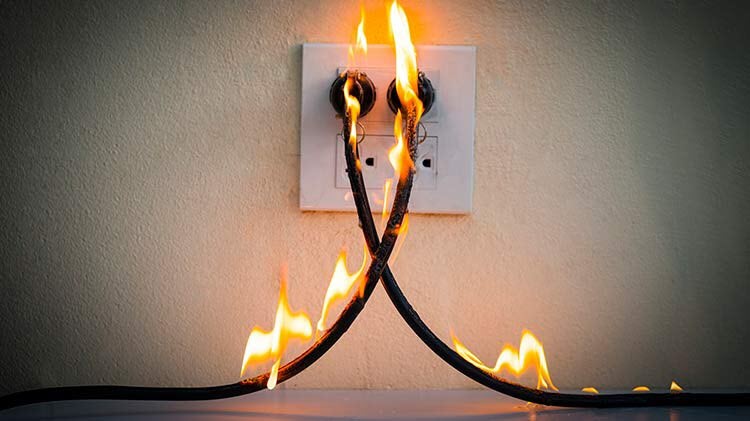
- Reduce electrical and fire risks: Keep towels, clothing and other combustible materials away from heating equipment. Stop using the sauna if you notice sparks, unusual sounds, a burning odor, damaged wiring or repeated circuit breaker trips. Review additional electrical hazards in your home and consider appropriate fire safety equipment.
- Control moisture: Follow ventilation instructions and watch for ongoing condensation, stains, musty odors or damaged wood. These may be signs of excess moisture that needs attention. Review additional ways to minimize moisture in your home.
- Inspect the room and equipment: Check benches, doors, handles, controls and heating components for looseness or damage. Arrange service rather than continuing to use damaged equipment.
- Check for recalls: Record the brand, model and serial number, then check the Consumer Product Safety Commission (CPSC) recall database for recalls or safety warnings involving the equipment.
- Limit access: Follow the manufacturer’s supervision guidance and keep children and pets away from heating equipment and controls.
How can a home sauna affect homeowners insurance?
A built-in sauna, steam room or hot room may add electrical work, ventilation and custom materials to a home. Consider contacting your insurer or agent before installation and after the work is complete to discuss what changed and whether your homeowners insurance information and coverage limits still reflect the property.
Keep permits, receipts, contractor records, photos and equipment information. If the sauna is portable or located in a detached structure, ask how it should be documented. Coverage depends on the circumstances of a loss and is subject to the policy’s terms, provisions, exclusions, conditions and applicable endorsements. Any payment for a covered loss may also be subject to an applicable deductible.
Learn about other times when you may want to review when to update your home insurance coverage.
You can get a homeowners insurance quote now, or give us a few details and a State Farm® agent will reach out to you.
This content was developed with the help of AI and reviewed by State Farm editors.
The information in this article was obtained from various sources not associated with State Farm® (including State Farm Mutual Automobile Insurance Company and its subsidiaries and affiliates). While we believe it to be reliable and accurate, we do not warrant the accuracy or reliability of the information. State Farm is not responsible for, and does not endorse or approve, either implicitly or explicitly, the content of any third-party sites that might be hyperlinked from this page. The information is not intended to replace manuals, instructions or information provided by a manufacturer or the advice of a qualified professional, or to affect coverage under any applicable insurance policy. These suggestions are not a complete list of every loss control measure. State Farm makes no guarantees of results from use of this information.
State Farm Fire and Casualty Company
State Farm General Insurance Company
Bloomington, IL
State Farm Florida Insurance Company
Orlando, FL
State Farm Lloyds
Richardson, TX