The benefits of roadside assistance vs. DIY fixes
Learn more about the safety risks of DIY car repairs and when to call roadside assistance.
Overview: When your car breaks down, deciding whether to attempt a DIY repair (your vehicle owner’s manual may help) or call roadside assistance can be important for your safety and the condition of your vehicle. While do-it-yourself fixes may seem appealing, they can expose you to risks such as injury, traffic hazards, improper repairs and potential impacts on warranties. Roadside assistance programs, on the other hand, may help to provide professional service from trained technicians who use safety protocols and the right tools, which can help to reduce your exposure to danger and prevent further damage. Although having some basic maintenance knowledge can be useful, choosing roadside assistance in many situations can help you address unexpected car troubles more safely and efficiently so you can get back on the road.
When your car suddenly breaks down, you’re faced with a quick decision: Should you attempt a roadside fix yourself or call for professional help? While the idea of saving time and money with a DIY car repair may be appealing, choosing a reliable roadside assistance program may offer a greater sense of security by helping you avoid the hidden safety risks that come with do-it-yourself fixes. Let’s examine why, for many situations, calling for help could be the smarter, safer choice.
The dangers of doing roadside repairs
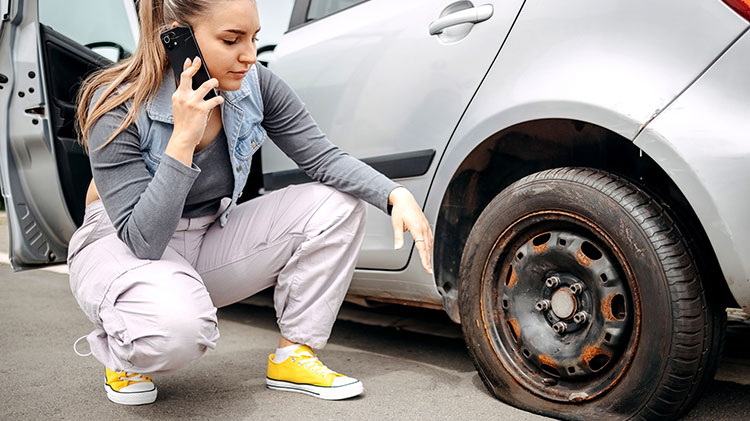
While it may seem practical to handle things yourself, especially minor issues, attempting to fix your car by the side of the road — especially on busy streets or highways — can put you in harm’s way. Even common quick-fix scenarios can turn risky for several reasons:
- Threat of physical injury — changing a tire, jump-starting a battery or handling hot engine parts can result in burns, cuts or other injuries, especially if you’re unfamiliar with the process.
- Traffic-related risks — the side of the road isn’t a safe workspace. Distracted drivers, low visibility and high speeds can increase your risk of injury from passing traffic.
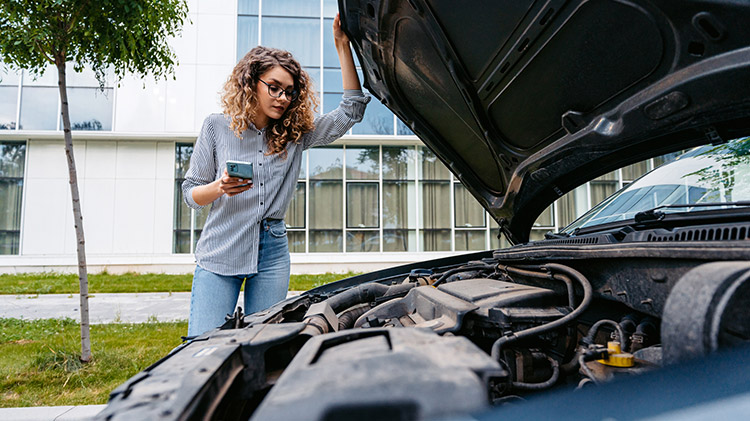
- Vehicle technology — modern cars come equipped with advanced electronics and systems. A faulty DIY car repair can lead to more costly problems or even accidental damage to safety features.
- Lack of knowledge or tools — without up-to-date know-how and specialized tools, you might misdiagnose the issue, damage components or only apply a temporary fix.
- Towing troubles — safely towing your vehicle requires specialized equipment and the right technique. Failure to do so can lead to significant damage to your car’s frame or transmission.
- Warranty implications — performing certain repairs yourself can void warranties on newer vehicles, costing you more in the long run.
The benefits of roadside assistance
There are many reasons you might choose roadside assistance coverage. Opting for professional help through a roadside assistance program can bring several key advantages that go beyond just saving you time:
- Fast, reliable options — trained technicians can often resolve common problems, like a flat tire, dead battery or lockout, much faster than a DIY attempt, minimizing your time in a potentially vulnerable spot.
- Prioritized safety — professionals follow strict safety protocols, like using warning lights or cones, to secure the area, helping to keep you and other drivers safe.
- Trained technicians — roadside assistance providers send out professionals equipped with the right tools and expertise to help resolve common roadside issues more quickly and safely.
- Hassle-free help — with 24/7 support and potentially quick response times, roadside assistance may help eliminate the stress of searching for a technician or handling repairs on your own, potentially making unexpected breakdowns far less disruptive.
- Vehicle protection — using the correct repair methods can help avoid additional damage (which may save you money in the long run) and helps ensure warranty coverage stays intact.
- Sense of security — knowing that roadside assistance providers are experienced with many types of vehicles and situations means there is someone who can help, whether you’re stranded in unfamiliar territory or facing bad weather.
Deciding whether to DIY or call for help
While fixing a flat tire or jump-starting a battery might seem straightforward, the reality is that roadside repairs can go wrong quickly without the right preparation. Here’s a simple comparison of DIY roadside repair risks and the benefits of professional roadside assistance:
Personal safety
High risk (traffic, injury)
Safety protocols, less time exposed to danger
Vehicle damage
Potential for further or costly damage
Proper tools/methods to help protect your vehicle
Efficiency
Time-consuming, uncertain outcome
Potentially fast, more reliable options
Expertise
Limited tools/knowledge
Trained, experienced technicians
Reliability
Potential for error
Service is usually backed and insured
The bottom line
While knowing a few basics, like tire maintenance and care, can be helpful, roadside breakdowns can sometimes occur in challenging or even potentially unsafe situations. Attempting complex repairs yourself could worsen vehicle damage, void warranties or put your safety at risk. It’s important to know when to call roadside assistance, which is designed to provide professional help when you need it most, so you can get back on the road safely.
Looking for more confidence on the road? Adding roadside assistance coverage to your auto policy can be a more affordable way to help protect yourself and your passengers from the unexpected. To learn more, talk with a State Farm agent today.
You can get an auto insurance quote now, or give us a few details and a State Farm® agent will reach out to you.
The information in this article was obtained from various sources not associated with State Farm® (including State Farm Mutual Automobile Insurance Company and its subsidiaries and affiliates). While we believe it to be reliable and accurate, we do not warrant the accuracy or reliability of the information. State Farm is not responsible for, and does not endorse or approve, either implicitly or explicitly, the content of any third-party sites that might be hyperlinked from this page. The information is not intended to replace manuals, instructions or information provided by a manufacturer or the advice of a qualified professional, or to affect coverage under any applicable insurance policy. These suggestions are not a complete list of every loss control measure. State Farm makes no guarantees of results from use of this information.
State Farm Mutual Automobile Insurance Company
State Farm Indemnity Company
Bloomington, IL
State Farm County Mutual Insurance Company of Texas
Richardson, TX