Fall home maintenance checklist
Fall home maintenance tasks like cleaning gutters and checking your heating system can help prepare your home for winter weather.
Overview: A fall home maintenance checklist can help prepare your home for winter and reduce the risk of seasonal repairs. Key tasks include cleaning gutters and downspouts, inspecting the roof, sealing air leaks, protecting outdoor faucets and servicing your heating system. Other important fall home care tips include testing smoke and carbon monoxide detectors, checking the fireplace or chimney and preparing outdoor spaces and equipment for colder weather.
As the leaves change and temperatures begin to drop, it’s a good time to prepare your home for winter. A few fall maintenance tasks may help reduce the risk of unexpected repairs and get your home ready for freezing temperatures, snow and ice.
1. Clean gutters and downspouts
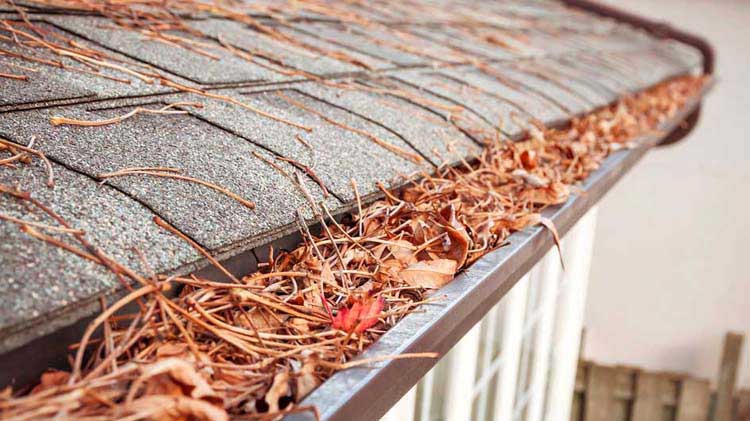
Inspecting and cleaning your gutters is a crucial task before temperatures drop to help prevent ice buildup and avoid foundation damage or flooded basements. Gutters and downspouts should be kept clean and direct water away from the foundation, as well as from walkways and driveways, so they don't become slippery or icy.
2. Inspect your roof
Inspect your roof or hire a licensed professional to evaluate the condition of your roof. If any shingles are curling, buckling or cracking, consider replacing them. If there is extensive damage, you might consider re-roofing with impact resistant shingles. Don't forget to check any flashing around skylights, pipes and chimneys to prevent snow and ice from creeping in.
3. Seal air leaks
Check your windows and doors for drafts. Drafts make rooms feel chilly and your heating system work harder. Here are few options that may help seal small gaps in windows or doors:
- Window insulation kits — plastic film kits available at your local hardware store.
- Fabric draft stoppers — temporary but quick fix for either windows or doors.
- Fix weatherstripping — if the weatherstripping is worn-out, a replacement may be the best option. Installing a door sweep can also help seal the gap at the bottom of the door.
- Temporary or exterior caulk — temporary caulk is removable, easy to install and can help block interior drafts in the winter. Exterior caulk lasts years and is more durable but can be more difficult to remove or replace in the future.
4. Protect outdoor faucets
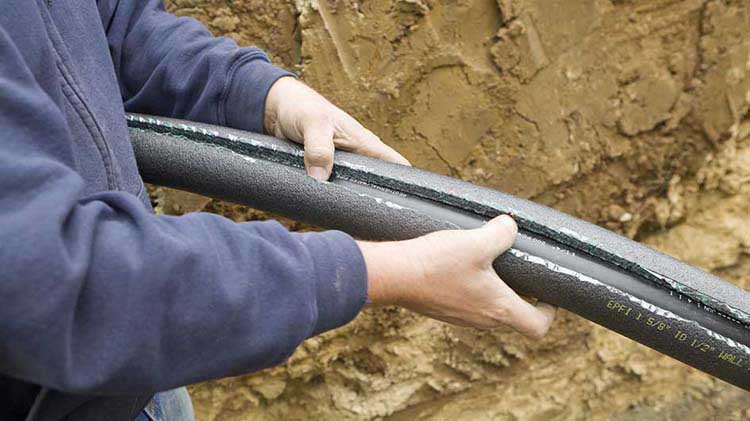
A little prep helps you avoid surprise leaks, frozen pipes and water damage:
- Disconnect and drain garden hoses.
- Shut off the water supply to exterior faucets if your home has an indoor shutoff valve.
- Open outdoor faucets to drain any remaining water.
- Winterize sprinkler systems, if applicable, before the first hard freeze.
5. Service your heating system
Your HVAC is central to keeping your home warm during the winter. These steps can help you prepare for the challenges of winter with these simple furnace tips:
- Schedule a tune-up — a HVAC contractor can test the heating output and give the system a tune up. A technician can also check for and correct possibly hazardous carbon monoxide levels generated by your heating system.
- Test your thermostat — check that the system is responding properly and replace batteries if needed. If you don't have a programmable thermostat, consider purchasing one for the system to help lower your energy costs.
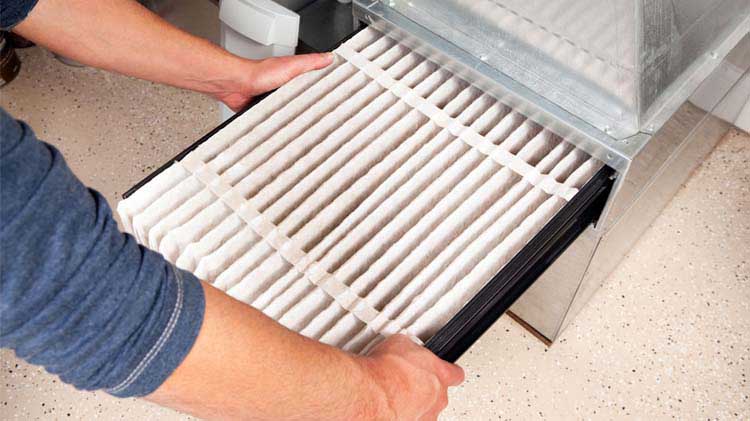
- Replace the filter — change the air filter in your furnace and check its efficiency before the cold weather begins. A clogged air filter can cause your furnace to work harder than it needs to and may even lead to the furnace not functioning. Stock up on several air filters for the winter and change them regularly.
6. Check vents and ducts
After your furnace has been tuned up to its maximum efficiency, take a moment to inspect your heating ducts and vents:
- Clean vents and registers — dust, vacuum and clear away anything that may have gotten into them over the summer.
- Remove obstacles — ensure vents are open and not blocked by rugs or furniture.
7. Test smoke and carbon monoxide detectors
Test each smoke and carbon monoxide detector to ensure it is working properly before heating season begins. Replace the batteries if needed and replace any outdated units so your home is better prepared in an emergency.
8. Check the fireplace, woodstove and chimney
If you expect to use a fireplace or woodstove during the winter, fall is a good time to schedule an inspection and cleaning if needed. A chimney professional can check for buildup, damage or other issues that could affect safety or performance. Burn seasoned firewood for a cleaner, longer-lasting fire, and store firewood covered and away from the house.
9. Review home fire safety
The start of heating season is a good time to review home fire safety. Check fire extinguishers and replace them if necessary, and review your home fire evacuation plan with your family.
10. Test your emergency generator
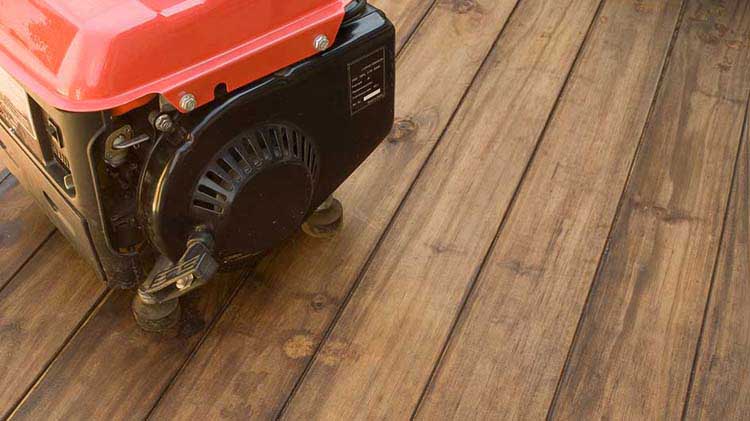
If you have an emergency generator, test it before winter storm season begins to ensure it is in good working order. Check fuel levels, follow the manufacturer’s maintenance recommendations and review safe operating instructions. Never run a generator in a garage or other enclosed space because it can create a dangerous carbon monoxide hazard.
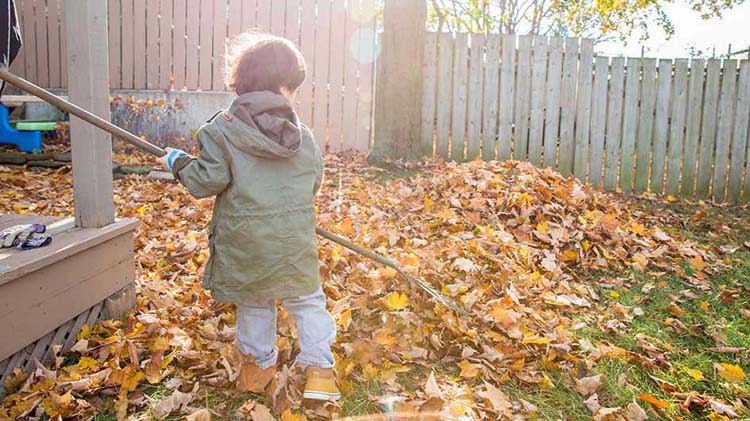
11. Rake leaves and clear outdoor surfaces
Remove fallen leaves from your lawn, walkways, driveway and patio throughout the fall. Wet leaves can block sunlight from reaching the grass and create slippery surfaces around your home. Follow local yard-waste disposal rules when bagging, piling or removing leaves, and use proper lifting technique and sturdy shoes when raking.
12. Yard maintenance
Once the leaves are taken care of, don't forget about the rest of your yard. Come spring, your lawn will thank you for following these tips:
- Mow until the first hard frost — this will help avoid matting and vulnerability to snow mold.
- Water through the end of October — although it's cooler, and usually moister in fall, keep watering to help grass roots prepare for winter if your lawn isn't getting an inch of water each week naturally.
- Aerate every few years — this will help avoid compaction and is good preparation for fertilizing.
- Fertilize — the extra plant sugars help protect roots from freezing and provide extra energy for a spring comeback.
- Overseed — filling in bare spots can discourage weeds, and the fall temps and moisture are easier on the seed.
- Trim dead or overhanging branches — cut back weak, damaged or overhanging limbs that could break in wind, snow or ice and damage your home or vehicles.
13. Store patio furniture and outdoor items.
Clean, cover or store patio furniture, seasonal décor and other outdoor items. Proper storage may help protect them from moisture, freezing temperatures and seasonal wear.
14. Store your lawnmower and other equipment
Clean and prepare your lawnmower and other yard equipment for storage before winter. Check the owner’s manual for winter preparation steps and storage guidance that may help protect performance until spring.
15. Safely store gasoline
It's recommended that you empty out unused fuel or add a gasoline stabilizing additive to gas-powered equipment stored in the garage because stale fuel can clog the fuel lines/carburetor. Store gasoline in tanks out of children's reach and have it ready for use in your snow blower or emergency generator, if needed.
Frequently asked questions about fall home maintenance
Q: What home maintenance should be done in the fall?
A: Fall home maintenance often includes cleaning gutters and downspouts, inspecting the roof, sealing air leaks, protecting outdoor faucets, servicing the heating system and testing smoke and carbon monoxide detectors. Other common fall home care tips include checking the fireplace or chimney, clearing leaves and preparing outdoor equipment for winter.
Q: What is the most important fall home maintenance task?
A: Some of the most important fall home maintenance tasks are cleaning gutters, inspecting the roof and making sure the heating system is ready for winter. These steps may help reduce the risk of water damage, heat loss and cold-weather system problems.
Q: When should outdoor faucets be winterized?
A: Outdoor faucets should generally be winterized in the fall before the first hard freeze. Disconnect hoses, shut off the water supply if possible and drain any remaining water to help reduce the risk of frozen pipes.
Q: Which fall home maintenance tasks can homeowners do themselves?
A: Many homeowners can handle basic fall home tips such as replacing furnace filters, testing smoke and carbon monoxide detectors, disconnecting hoses, sealing small air leaks and raking leaves. Tasks like HVAC service, chimney cleaning, roof repair and major tree trimming may be better left to a professional.
For more home maintenance tips, review our collection of maintenance articles.
This content was developed with the help of AI and reviewed by State Farm editors.
The information in this article was obtained from various sources not associated with State Farm® (including State Farm Mutual Automobile Insurance Company and its subsidiaries and affiliates). While we believe it to be reliable and accurate, we do not warrant the accuracy or reliability of the information. State Farm is not responsible for, and does not endorse or approve, either implicitly or explicitly, the content of any third-party sites that might be hyperlinked from this page. The information is not intended to replace manuals, instructions or information provided by a manufacturer or the advice of a qualified professional, or to affect coverage under any applicable insurance policy. These suggestions are not a complete list of every loss control measure. State Farm makes no guarantees of results from use of this information.