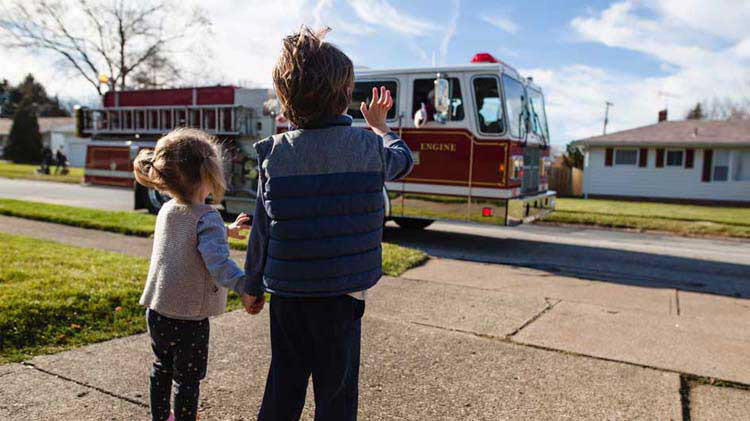
Create a home fire escape plan today!
A home fire evacuation plan may help prepare you and your family for a fire. Plan your escape route and understand fire hazards with our evacuation tips.
If a fire strikes in your home, time is of the essence and a fast, prepared response is vital. Plan now so you can act quickly in an emergency. Escaping and confirming everyone is safe is why a home fire evacuation plan is so important, but it doesn't have to be complicated.
In fact, simple is better and fast is key. Consider incorporating the following steps into your fire evacuation procedures and practice fire drills so you can act immediately if there's a fire in your home.
How to make a fire escape plan
Preparing your family with safe escape routes and instructions may be a lifesaver in the event of an emergency. You may find the FEMA fire escape plan grid helpful in creating your fire escape plan.
- Sketch a map of your house.
- Familiarize your children with the map by pointing out where each room is in the home. Pasting a photo of each family member inside their respective bedroom on the map may help younger children.
- Draw two escape routes from each room: One out a door and one out a window in case the primary route is blocked.
- Designate a meeting spot a safe distance from the home, such as the mailbox, and draw that on the map so everyone will know.
- Post the evacuation plan in a prominent place, like on a refrigerator or a bulletin board, to help keep it fresh in your family's mind.
Fire escape plans for apartments
Those living in apartments may find a few additional considerations in their fire escape plan beneficial. Apartment-specific considerations include closing the door behind you when evacuating, being aware of any fire escapes or emergency exits, using stairs instead of the elevator to exit the building and pulling a fire alarm if it has not yet been sounded. Once you’ve safely left the building, call 911 and alert the authorities of the fire.
Buildings also have fire escape plans. Familiarize yourself and your family with those plans, which are likely to outline optimal escape routes during a fire event. If you have children, consider teaching them how to use the fire escape during fire drills.
Fire safety for people with disabilities
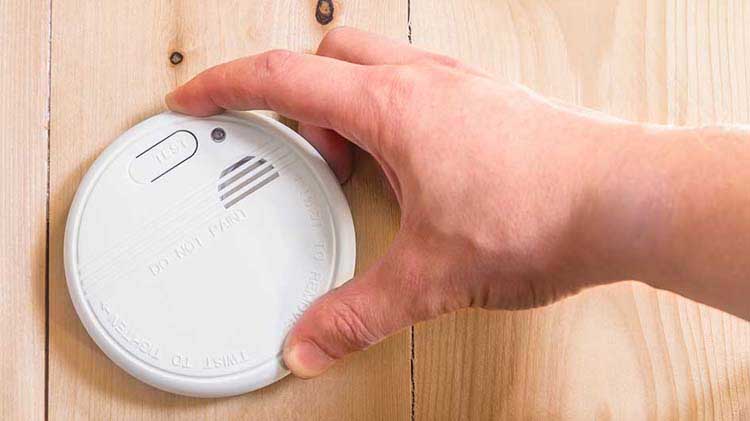
For people with disabilities, a few additional considerations may help keep you and your family safe. Design your fire safety plan while accounting for the needs and disabilities that you or family members have. This can increase the likelihood of a swift and safe evacuation. Equally important is a well-maintained advanced warning system, which means smoke detectors. Smoke detectors for the differently abled are available, with some varieties including a vibrating pad or a flashing light for those who are deaf or hard of hearing. Change batteries routinely: Aim for at least twice a year. If you can’t easily access the smoke detector’s button, consider asking someone for assistance.
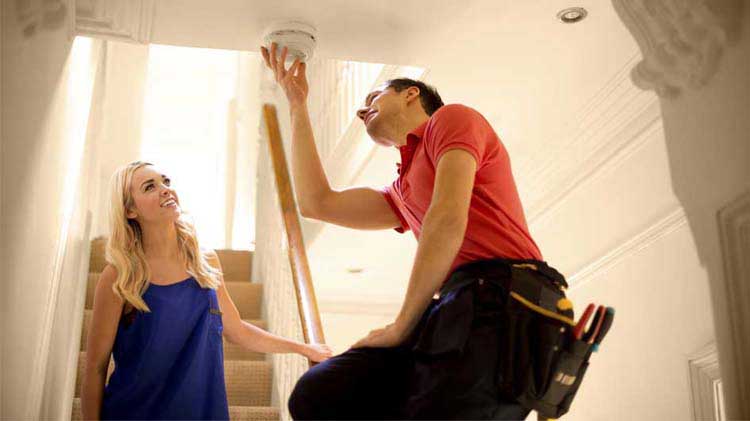
To be fully prepared, a smoke detector should be installed in every bedroom and on every level of a multilevel home regardless of bedrooms.
How to do a fire drill at home
Consider teaching and practicing a fire drill every few months to help get children familiar with what to do and keep adults in practice as well. Practice home fire safety procedures exactly as you would in real time. Define, step-by-step, what you expect your children to do.
- Sound the alarm. Start the fire safety training drill by activating the smoke detector alarm, so children can recognize the sound as an early fire warning.
- Get out. Leave everything behind and follow the escape route. Children shouldn’t attempt to collect any personal possessions, look for their parents, siblings or pets. Sticking to the evacuation plan to get out safely is priority.
- Stay low. Teach family members to stay low to the floor, moving on their hands and knees, if smoke is in the room. To avoid inhalation, instruct them to cover their face with a pillowcase or shirt.
- Crawl. Show family members how to crawl to the bedroom door and touch the doorknob first. If it's not hot, they should proceed out the door, leave the home and gather at the safe meeting place outside. If the doorknob is hot, they should keep the door closed and place a towel, clothing or blanket under the door if possible. Then, they should call 911 and alert them to their location inside. If the room they're in has a window, they should open it normally and signal for help by waving a flashlight or bright cloth.
- Practice stop, drop and roll. This important safety move can help prevent serious burns if their clothes are on fire.
- Review fire safety principles. Especially with children, review items like never returning to a burning building after escaping and not delaying evacuation to retrieve personal items.
- Repeat the plan until it’s mastered. With enough drills, you might help avoid panic and confusion if a real fire strikes the home.
- Review your plan regularly. You may want to create a fire escape “pop quiz” to test your family’s familiarity with your fire escape plan and principles. This can be a good way to confirm understanding.
Talk about next steps, like calling 911 after escaping. After you have arrived at your meeting space, talk to your children about emergency preparedness and what to expect when 911 is called. Children old enough to understand the phone should know how to call at the first sign of an emergency. Keep in mind: Kids sometimes think it's funny to prank call 911, so stress the fact it’s against the law and carries consequences. If you have a very young child or one that can’t escape alone, account for it in your fire escape plan and make provisions to confirm they are safely evacuated.
How to teach fire prevention
You may have equipped your home with the necessary precautions for a fire. However, training and fire safety equipment, such as smoke detectors, carbon monoxide detectors and fire extinguishers aren't enough to keep everyone prepared. If you live in a multi-story home and have an escape ladder, you can increase your family’s preparedness by teaching each person how to use it. Also, consider adding it to your fire escape plan and home fire drills if it applies. The extra familiarity could be beneficial.
Equip your family with fire safety knowledge by teaching about home fire hazards and how to react if a fire ignites. If you have fire safety tools installed, like automatic sprinkler systems, review what to expect ahead of time. This can reduce the likelihood that these helpful tools are scary or distracting to children during an actual emergency.
What fire hazards should I discuss with my children?
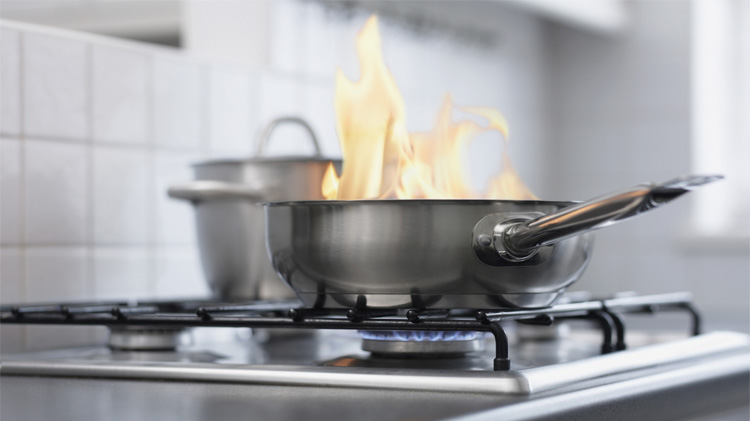
- Kitchen dangers and safety — many home fire hazards are in the kitchen. An important lesson for young children to learn is if the stove is hot, they should stay away. When older children are ready to begin cooking, instruct them on kitchen dangers, individual appliance safety and extinguishing cooking fires.
- Matches and lighters — playing with matches is another common source of home fires. Children as young as two years old can strike matches and start fires, so keep matches and lighters safely stored in locked drawers. Teach children not to pick up matches or lighters they may find and to immediately tell an adult about them.
- Aerosol cans — these can explode if placed near a stove, radiator or other source of heat.
- Candles — these can cause burns from hot wax and can start fires if placed too close to flammable materials. Always blow out candles before leaving a room and never leave a child unattended with a lit candle or allow them to light one.
- Electrical cords — overloaded extension cords or fraying cables can ignite a fire, so show children how to recognize them.
- Lamps — ones covered by paper or cloth can catch fire, so it’s important to explain this fire hazard to your family.
- Iron — children should be warned to stay away from an iron left standing on the end of an ironing board.
- Christmas trees — real Christmas trees can dry out and become highly flammable.
- Electric blankets — remember to turn off and unplug electric blankets and heating pads when not in use.
Remember, the best way to handle a fire is to help prevent them. But if you experience a house fire, contact your insurance agent immediately.
The information in this article was obtained from various sources not associated with State Farm® (including State Farm Mutual Automobile Insurance Company and its subsidiaries and affiliates). While we believe it to be reliable and accurate, we do not warrant the accuracy or reliability of the information. State Farm is not responsible for, and does not endorse or approve, either implicitly or explicitly, the content of any third-party sites that might be hyperlinked from this page. The information is not intended to replace manuals, instructions or information provided by a manufacturer or the advice of a qualified professional, or to affect coverage under any applicable insurance policy. These suggestions are not a complete list of every loss control measure. State Farm makes no guarantees of results from use of this information.
State Farm Fire and Casualty Company
State Farm General Insurance Company
Bloomington, IL
State Farm Florida Insurance Company
Orlando, FL
State Farm Lloyds
Richardson, TX