Holiday safety tips for families at home and away
Holiday safety tips for families include using a stable ladder, inspecting lights and cords, staying alert while shopping, preparing for winter travel and handling food safely. Keep small or harmful items away from children and pets and secure your home when you are away.
The holiday season often brings more visitors, packages, cooking and driving. These holiday season safety tips can help you plan ahead and spot common risks before decorating, traveling or welcoming guests.
Safety checklist at a glance
Use this holiday safety checklist to review the main safety areas that may apply to your holiday plans.
Decorating
Use a stable ladder and keep walking paths clear
Fire and electrical risks
Inspect lights and cords, then turn electrical decorations off before leaving or sleeping
Shopping
Stay aware and keep purchases out of sight
Travel
Check conditions and prepare the vehicle
Food
Clean, separate, cook and chill
Children and pets
Secure batteries, magnets, small parts and harmful items
Home security
Lock entry points and manage mail and packages
Holiday decorating safety tips
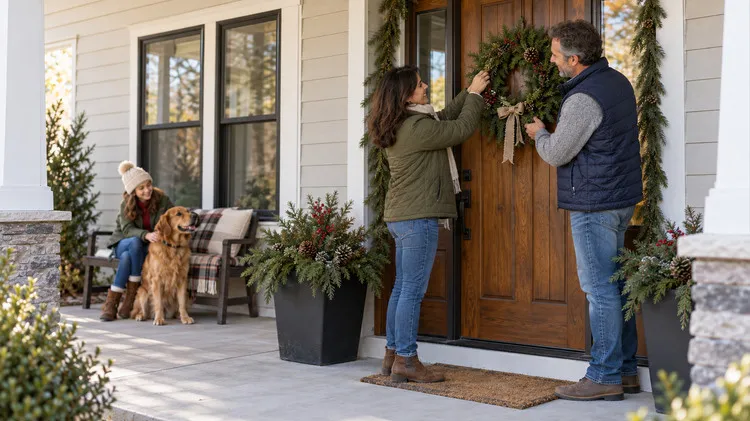
Decorating may involve ladders, storage boxes, cords and breakable items. Following basic ladder safety steps may help reduce the risk of falls when hanging lights, garland or other decorations.
Consider these holiday decorating safety tips:
- Use stable equipment: Use a ladder instead of a chair, table or other furniture. Place it on a level surface and inspect it before climbing.
- Stay centered: Keep your body between the ladder’s side rails. Climb down and move the ladder rather than reaching too far.
- Clear walking paths: Keep boxes, cords and decorations away from stairs, doors and hallways.
- Lift with care: Ask another adult to help with heavy boxes, large decorations or a tree.
- Plan for children and pets: Place breakable, sharp or heavy decorations where they are less likely to be reached or knocked over.
Check fire and electrical risks
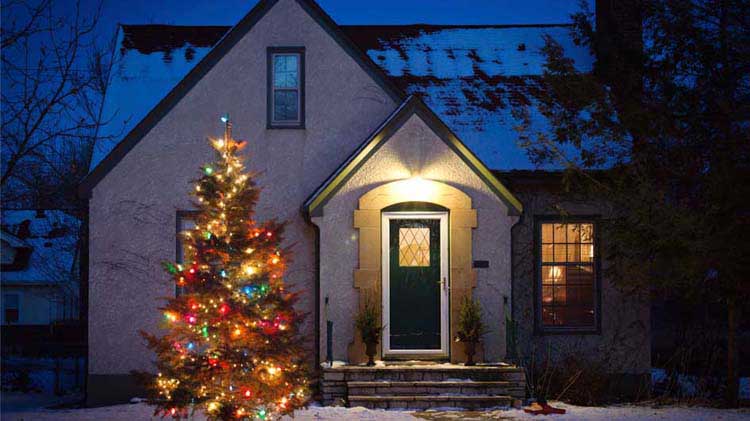
Decorations may add heat, electricity and flammable materials to a room. Holiday fire safety tips can help you plan for Christmas trees, candles, lights and fireplaces before decorating or hosting.
Consider these basic precautions:
- Inspect lights and cords: Stop using decorations with exposed wires, damaged plugs or loose connections.
- Follow product directions: Use indoor and outdoor decorations only where intended and avoid overloading outlets.
- Turn decorations off: Switch off lights and electrical decorations before leaving home or going to sleep.
- Keep flammables away from heat: Keep paper, fabric and greenery away from candles, fireplaces, space heaters and cooking areas.
Shop and receive packages safely
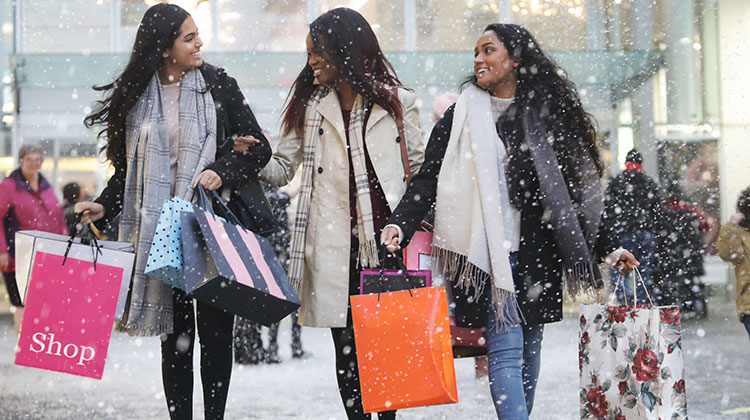
Holiday shopping can create risks in crowded parking lots, stores and online. Practical holiday shopping safety tips include staying aware of your surroundings, securing purchases, using familiar retailers and planning for package delivery.
Consider these shopping and package-delivery precautions:
- Stay aware: Watch for vehicles and people in busy parking lots. Put your phone away while walking to and from the store.
- Secure purchases: Store shopping bags out of sight and lock your vehicle.
- Choose familiar sellers: Shop with retailers you know and be cautious with unexpected links about deals, orders or deliveries.
- Plan for packages: Track deliveries and arrange for prompt pickup when possible.
Holiday travel safety tips
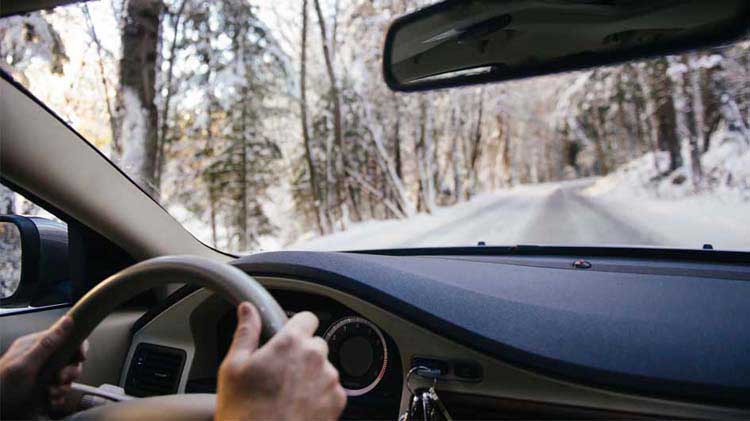
Holiday travel may involve heavier traffic, winter weather and late nights. Following basic winter driving tips, such as checking road conditions and preparing your vehicle, may help you plan before leaving.
Before leaving, consider these holiday travel safety steps:
- Check conditions: Review weather and road conditions and adjust your plans if travel could be unsafe.
- Prepare the vehicle: Check the tires, lights, battery, fluids and fuel. Pack a phone charger, warm clothing, water and basic emergency supplies.
- Buckle up: See that each passenger uses a seat belt before the vehicle moves.
- Limit distractions: Put your phone away while driving and take a break if you become tired.
- Adjust for winter roads: Slow down, increase your following distance and allow more stopping time on snow or ice.
- Plan a sober ride: Consider arranging a designated driver, using a rideshare service or choosing another safe way home before drinking to help prevent drinking and driving.
Protect your home while you are away
Before an overnight trip, ways to deter burglary can include securing entry points, creating signs of activity and arranging for someone to check the property.
Before your trip, consider these steps:
- Lock entry points: Check doors, windows and garage access before leaving.
- Manage deliveries: Pause mail delivery when needed and ask someone to collect packages.
- Create signs of activity: Use timers for lights and ask a reliable person to check the property.
- Limit public details: Avoid posting exact travel dates or real-time updates that show your home is empty.
- Plan for weather: Arrange for snow removal or other seasonal upkeep during a longer trip.
Holiday food safety tips
Food safety is part of planning a holiday gathering. The U.S. Department of Agriculture recommends four basic steps: clean, separate, cook and chill.
Keep these food safety precautions in mind:
- Clean: Wash your hands and food preparation surfaces often.
- Separate: Keep raw meat, poultry, seafood and eggs away from cooked and ready-to-eat food.
- Cook: Use a food thermometer and follow safe minimum cooking temperatures.
- Chill: Refrigerate perishable food within two hours. Use cooked leftovers within four days and reheat them to 165 degrees Fahrenheit, based on current food storage guidance.
- Control kitchen traffic: Set up activities for children away from hot surfaces, knives and appliance cords.
Help keep children and pets safe
Holiday safety tips for kids and pets can start with a quick scan of floors, low tables and gift bags for loose batteries, magnets, ribbons, plastic packaging and small parts before guests arrive or gifts are opened.
Consider these precautions:
- Check toy guidance: Choose toys that match the child’s age and abilities. Include helmets or other safety gear with riding toys.
- Secure small hazards: Keep button batteries, high-powered magnets, small balls and small toy parts away from young children.
- Clear packaging: Collect plastic wrapping, ribbons, twist ties and other packaging soon after gifts are opened.
- Store household items: Keep medicine, alcohol, cleaning supplies and sharp serving tools secured.
- Review plants and foods: Check whether holiday plants, treats or decorations may be harmful to children or pets before placing them within reach.
- Create a pet retreat: Give pets a quiet area away from crowded rooms, open doors and food tables.
Button cell and coin batteries and high-powered magnets can cause serious internal injuries if swallowed. If you suspect a child has swallowed a battery or magnet, seek medical attention immediately.
Holiday safety may be easier to manage when you plan one activity at a time. Review the checklist before decorating, shopping, traveling or hosting, then share the plan with others in your household. A few practical steps may help make the season safer and less stressful.
This content was developed with the help of AI and reviewed by State Farm editors.
The information in this article was obtained from various sources not associated with State Farm® (including State Farm Mutual Automobile Insurance Company and its subsidiaries and affiliates). While we believe it to be reliable and accurate, we do not warrant the accuracy or reliability of the information. State Farm is not responsible for, and does not endorse or approve, either implicitly or explicitly, the content of any third-party sites that might be hyperlinked from this page. The information is not intended to replace manuals, instructions or information provided by a manufacturer or the advice of a qualified professional, or to affect coverage under any applicable insurance policy. These suggestions are not a complete list of every loss control measure. State Farm makes no guarantees of results from use of this information.