Wood stove and space heater safety tips
Before using a wood stove or space heater, check your equipment, keep flammable materials away and test your smoke and carbon monoxide alarms.
Wood stove safety tips
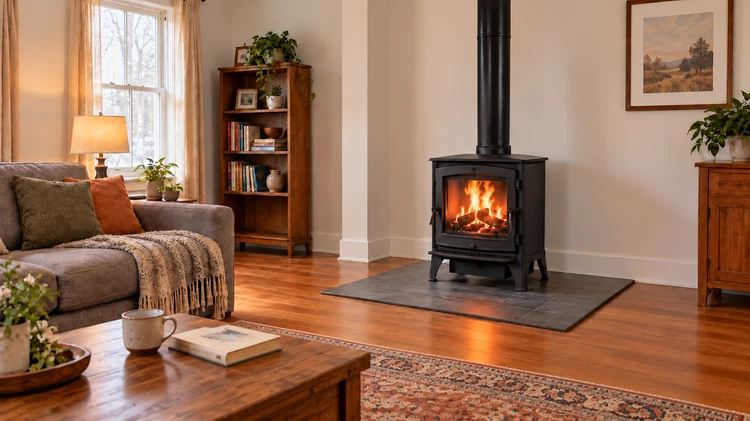
To help keep your household safe, follow these precautions when installing, maintaining and using a wood stove:
- Have your wood stove professionally installed: Choose a qualified professional to install your wood stove according to the manufacturer’s instructions and local building and fire codes.
- Schedule annual inspections: Have a qualified professional inspect your chimney, stovepipe and venting system for damage or blockages each year.
- Clean your chimney: Have a qualified chimney professional remove creosote buildup and other debris as needed.
- Keep flammable materials away: Follow the manufacturer’s clearance requirements for furniture, curtains, firewood and other items that can catch fire.
- Use the right fuel: Burn dry, seasoned wood or fuel recommended by the manufacturer. Avoid burning trash, cardboard, painted wood or pressure-treated lumber.
- Protect children and pets: Consider a safety gate to help prevent contact with hot stove surfaces.
- Keep the stove door closed: Open it only when adding wood or tending the fire, following the manufacturer’s instructions.
How to dispose of wood stove ashes safely
Wood stove ashes can remain hot after a fire goes out. Consider these precautions when disposing of them:
- Let ashes cool before removing them from the stove.
- Transfer ashes with a metal shovel into a metal container with a tight-fitting lid.
- Store the container outdoors, away from your home, deck, garage and other combustible materials.
- Place the container on concrete or another noncombustible surface.
- Wet ashes thoroughly and confirm they’re completely cool before final disposal.
- Avoid placing ashes in household trash, cardboard boxes or plastic containers.
Electric space heater safety tips
Help stay warm and safe by keeping these tips in mind when using a portable electric space heater:
- Follow the 3-foot rule: Keep heaters at least 3 feet from bedding, furniture, curtains, clothing and other combustible materials.
- Choose a stable location: Place the heater on a flat, level floor where it can’t easily tip over.
- Plug directly into a wall outlet: Avoid extension cords, power strips and outlet adapters.
- Inspect before use: Check the heater, cord and plug for damage, wear or signs of overheating. Stop using damaged equipment.
- Look for safety features: Consider a heater with automatic shutoff protection if it tips over or overheats.
- Protect children and pets: Position the heater where it can’t easily be touched or knocked over.
- Turn off when unattended: Shut off the heater before leaving the room or going to sleep.
- Follow the manufacturer’s instructions: Use the heater only in approved locations and as intended.
Can you leave a space heater on overnight?
No. Turn off portable space heaters before going to sleep, even if they have automatic shut-off features.
Kerosene and fuel-burning space heater safety
Kerosene and other fuel-burning space heaters can produce carbon monoxide. Before using one indoors, check the manufacturer’s instructions and local restrictions to confirm it’s approved for indoor use.
If you’re using an approved indoor model, follow the manufacturer’s safety instructions and these precautions:
- Use the correct fuel: Only use the type of fuel specified for your heater. Never substitute other fuels.
- Provide proper ventilation: Make sure the room meets the heater’s ventilation requirements.
- Refuel outdoors: Turn off the heater and let it cool completely before adding fuel.
- Store fuel safely: Keep fuel in an approved, labeled container away from living areas and heat sources.
- Keep flammable materials away: Maintain the required clearance around the heater.
- Turn off unattended heaters: Shut off the heater before leaving the room or going to sleep.
Keep outdoor-only heating equipment, including charcoal grills, patio heaters and camping equipment, outside your home and garage to help prevent carbon monoxide buildup.
How to prevent carbon monoxide poisoning
Carbon monoxide is a colorless, odorless gas that can build up when wood, propane, kerosene and other fuels don’t burn or vent properly. Electric space heaters don’t produce carbon monoxide during normal operation because they don’t burn fuel.
To help reduce the risk of carbon monoxide poisoning:
- Install carbon monoxide alarms: Place alarms on each level of your home and outside sleeping areas.
- Test alarms regularly: Replace batteries and devices according to the manufacturer’s instructions.
- Use equipment in approved locations: Keep generators, charcoal grills and other outdoor heating equipment outside your home and garage.
- Know the warning signs: Headaches, dizziness, nausea, weakness and confusion may indicate carbon monoxide exposure.
If a carbon monoxide alarm sounds or you suspect exposure, get everyone outside into fresh air immediately and call 911. Wait for emergency responders to confirm it’s safe before going back inside.
Check your smoke alarms and home fire escape plan
Working smoke alarms and a practiced escape plan can help your household respond quickly if a fire occurs. Take these steps to prepare:
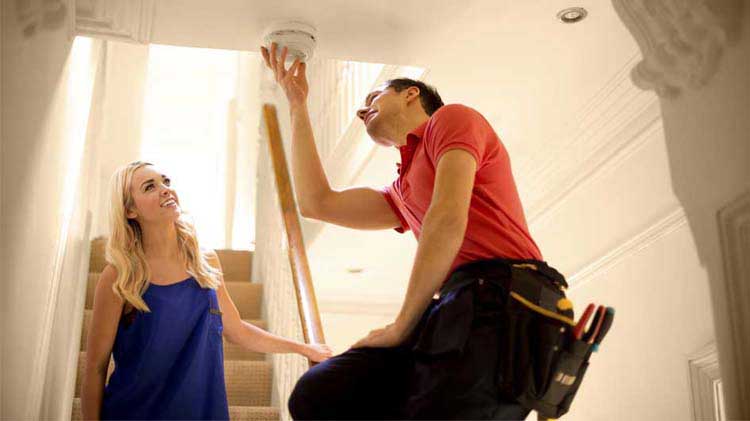
- Install smoke alarms on each level of your home, inside bedrooms and outside sleeping areas.
- Test smoke alarms monthly and replace batteries and alarms according to the manufacturer’s instructions.
- Keep hallways, doorways and other escape routes clear.
- Identify two ways out of each room, when possible, and choose a safe outdoor meeting place.
- Practice your escape plan with everyone in your household.
If a fire starts, get outside, stay outside and call 911.
Does homeowners insurance cover wood stove or space heater fires?
Homeowners insurance may help cover certain accidental fires involving wood stoves or space heaters. Coverage depends on your policy’s terms, conditions, exclusions and the circumstances of the loss.
If you're thinking of installing a wood stove or making changes to your home’s heating equipment, consider contacting your insurance company to discuss potential requirements. Wood stoves, kerosene heaters and space heaters may affect eligibility with some insurance companies.
You can also contact a State Farm agent to talk about your home insurance needs and available coverage options.
This content was developed with the help of AI and reviewed by State Farm editors.
The information in this article was obtained from various sources not associated with State Farm® (including State Farm Mutual Automobile Insurance Company and its subsidiaries and affiliates). While we believe it to be reliable and accurate, we do not warrant the accuracy or reliability of the information. State Farm is not responsible for, and does not endorse or approve, either implicitly or explicitly, the content of any third-party sites that might be hyperlinked from this page. The information is not intended to replace manuals, instructions or information provided by a manufacturer or the advice of a qualified professional, or to affect coverage under any applicable insurance policy. These suggestions are not a complete list of every loss control measure. State Farm makes no guarantees of results from use of this information.
State Farm Fire and Casualty Company
State Farm General Insurance Company
Bloomington, IL
State Farm Florida Insurance Company
Orlando, FL
State Farm Lloyds
Richardson, TX