Tips for planning a trip
Whether you are looking for a short vacation to reconnect with nature or a longer trip on the other side of the country or the world, here are some vacation planning tips that may come handy to help you make the most of it.
Planning a trip requires organization to help ensure everything goes smoothly. With these tips, you can help be well-prepared to embark on a journey that’s both enjoyable and unforgettable.
Saving for the trip
When thinking about going on a vacation, having the money to afford it is one of the first steps to take. Here are a few ways to help budget for it:
- Set up a savings account — dedicated for your travel fund
- Automate savings — direct a portion of your income automatically into your travel fund
- Cut down on non-essentials — reduce dining out, subscriptions, or entertainment
Decide who you will be traveling with
Taking a trip solo, having a family vacation or doing a friend trip may determine the location, budget and things to do when you travel. When you travel with family, the place you pick and accommodations may be different than if you are on your own or traveling with friends. Whatever you decide, consider setting expectations before the trip for you and your companions to help avoid disagreements later.
Length and type of vacation
Decide on the number days that you will be going on vacation, and what experience you want to have. Are you looking to relax by the beach, lake or in a spa retreat? Are you looking to do a camping trip to be in contact with nature and be active instead? Or do you want to visit a big city and see some historical sites?
There are many possibilities when it comes to trips and vacations. Consider if you want to be close to home, travel across the country or even visit an international destination. Determining how far you want to go will help in deciding the right place for you.
When choosing a vacation spot, you may want to check out city websites, social media travel accounts, travel blogs and even get recommendations from coworkers, friends and family to see what places and activities appeal to you.
Vacation budget
When planning a vacation, you will need to figure out your travel budget. Knowing how much you have available for spending allows you to plan accordingly and set realistic expectations. It can also help in making informed decisions and prevent unexpected financial surprises. Consider these major expenses when working on this budget.
- Transportation — flights, trains, buses, rental cars, public transit
- Accommodations — hotels, hostels, vacation rentals, campgrounds
- Food — dining out, groceries, snacks
- Activities — entrance fees, tours, entertainment, shopping
- Miscellaneous — souvenirs, local transportation, tips
Book your trip
Here are some of the things that you will need to book after you decide on the dates, place, and budget for your trip:
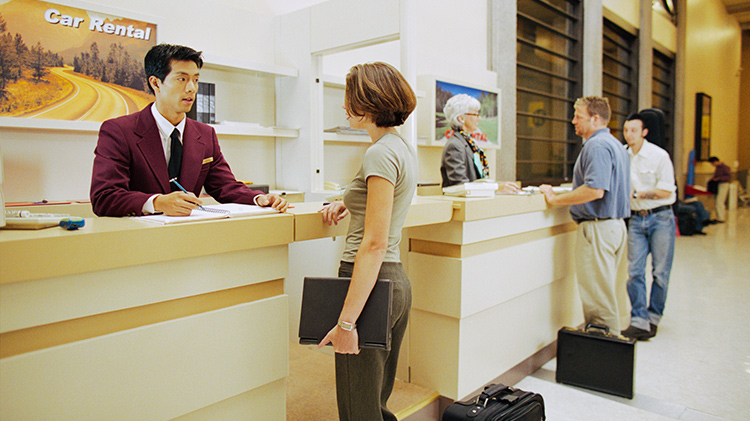
- Flights and transportation — if you are flying, consider flexibility on your dates. You can take advantage of flight and travel websites to compare prices by day and airline. If you have time, some websites even allow you to track the prices to see price trends and if waiting might get you a better price. Also, you will need to decide if you need a rental car reservation while on vacation. If you are traveling by car or with your RV, consider planning for its maintenance before your trip. Looking at train schedules and available routes may give you additional ideas for getting around on your trip.
- Accommodations — look at different places to stay. If going camping, look at the park to see if a reservation is needed as some U.S National parks may require it. If you are traveling alone, look for places that are budget and solo traveler friendly. Consider different options like resorts, hotels, and rental properties.
- Activities and dinner reservations — look at what you will be doing when you are on holiday and decide if you will be buying tickets to amusement parks or historic sites, as well as sports activities or meal reservations. Planning ahead might help you have a more relaxing time when you are on your trip. Also, very busy destinations may book months in advance, so a little planning ahead may help you secure some of the experiences you want to have while you are there.
Getting travel insurance
Sometimes the unexpected may happen — you may not be able to travel, or you may get sick far from home. Consider getting trip insurance for unexpected cancellations, lost luggage, medical coverage and more. Many airlines offer the option of getting the flight price insured when you are booking. There are insurance companies that specialize in offering travel coverage, so consider those for your specific needs. Prior to getting a policy, review it to understand what the policy terms are, what it covers and the things that are excluded.
Packing tips and more
After having your trip arranged and booked, it may be now time for you to pack. Here are some things to consider:
- Clothing — consider the weather where you are going and the activities you will be doing to bring the right clothes and shoes to wear.
- Essential items — make a list of accessories like hats and gloves for cold weather, or sunscreen and swimming gear for the beach. Other important items include cell phone chargers, headphones, medications and a small emergency kit.
- Documents — remember to have all documentation ready. Set aside documents like the REAL ID if flying domestically, or a passport if flying internationally. A copy of your insurance card may also be needed when renting a car.
- Kids essentials — if you are traveling with children, remember to pack snacks, small toys, activity books and consider a tablet to help entertain them when they are in long car rides or airplanes.
- Luggage — check out the airline suitcase allowance for the number of bags as well as weight limits to help avoid unexpected charges at the airport. Similarly understand the space available for luggage you may have in your car or RV.
- Other items — if you are planning to do shopping or get souvenirs on your trip, consider leaving some empty space in your suitcase to bring your new items back home.
Some preparation when planning a vacation may help you have a smooth time when you are away. Here’s some additional information to help you stay safe at a hotel, some safety tips when swimming or how to help keep your home safe when you are on vacation. Safe and happy travels!
The information in this article was obtained from various sources not associated with State Farm® (including State Farm Mutual Automobile Insurance Company and its subsidiaries and affiliates). While we believe it to be reliable and accurate, we do not warrant the accuracy or reliability of the information. State Farm is not responsible for, and does not endorse or approve, either implicitly or explicitly, the content of any third-party sites that might be hyperlinked from this page. The information is not intended to replace manuals, instructions or information provided by a manufacturer or the advice of a qualified professional, or to affect coverage under any applicable insurance policy. These suggestions are not a complete list of every loss control measure. State Farm makes no guarantees of results from use of this information.
This content was developed with the help of AI and reviewed by State Farm editors.