Buying a manufactured home
Buying a manufactured or modular home can be confusing, but understanding the types, differences and what to look for helps.
What is a manufactured home?
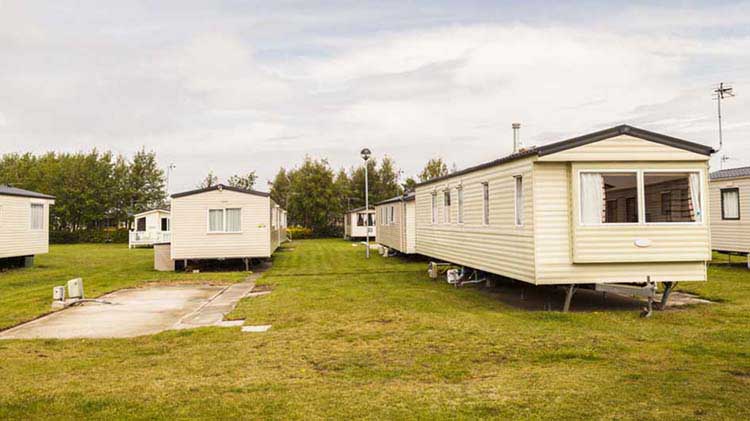
A manufactured home, is constructed in a factory and then transported to the buyer's location. Unlike traditional homes, which are built from scratch on a foundation and may include a basement, manufactured homes are assembled on-site using concrete blocks, metal piers or other suitable bases.
Manufactured homes, previously referred to as "trailers" or "mobile homes," can be as permanent and functional as traditional homes. To better understand this housing option and its value, it’s important to distinguish between the construction, terms and various models available.
Manufactured and other types of prefabricated homes
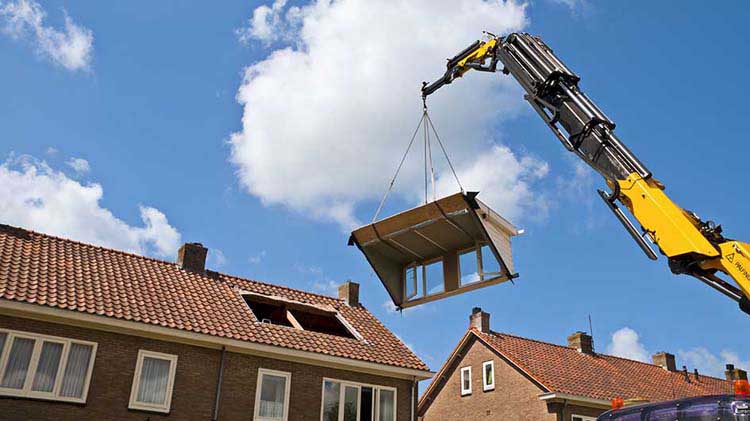
Prefabricated homes is a general term referring to homes constructed off-site (in a factory or production plant) and then transported to the building site.
Manufactured homes
- Built in a factory and transported to the site on a permanent steel I-beam chassis with wheels.
- Must comply with the Federal Manufactured Home Construction and Safety Standards (HUD Code), which sets federal guidelines for construction and safety.
- Typically, single-story and available in double-wide or triple-wide configurations.
- Distinguished from modular homes by their steel chassis and towability.
Modular homes
- Constructed in two or more sections at the factory and transported to the site on a flatbed truck.
- Built to comply with conventional building codes, the same as site-built homes.
- May have multiple stories and more steeply pitched roofs than manufactured homes.
- Do not have a steel chassis and are not towable.
Panelized homes
- Constructed as separate wall sections (panels) in a factory and assembled on-site by builders.
- Differ from modular homes, which are transported as large sections rather than panels.
- “Pre-cut” homes are a type of panelized home.
Mobile homes
- Term often used interchangeably with manufactured homes but technically refers only to homes built before June 1976, prior to the HUD Code.
- Older construction standards mean they can be less expensive but may lack modern features and safety standards.
Are manufactured homes a good investment?
Do manufactured homes hold their value? Manufactured homes, especially modern ones, can be a good investment due to their lower cost and easier setup. With double- and triple-wide options available, they offer comparable style, space and amenities to traditional homes. They can also be moved, though many are intended to stay put.
Newer manufactured homes use similar building materials to stick-built homes, with cost savings coming from efficient building processes rather than cheaper materials. However, there are limitations to personalizing the model.
While cheaper upfront, manufactured homes may face financing challenges. Some institutions only offer loans if the home is on a permanent foundation or if the land is owned. Personal loans, chattel loans (home-only loans), HUD loans, Federal Housing Administration (FHA) loans and Veteran Affairs (VA) loans are other options.
Resale value is another concern, but trends suggest that manufactured homes may be appreciating faster, challenging the idea that they're not a good investment. While they may not hold as much equity as traditional homes, those sold with land can sometimes hold equity better, depending on upkeep, landscaping and local conditions. Locality restrictions may also pose challenges.
Manufactured home insurance
Manufactured and mobile home insurance is similar to homeowners insurance and is designed to provide protection for these types of homes. In the event of a covered claim, this insurance covers damage to the home structure and personal property. If included in the policy, it may also provide liability coverage for property damage and bodily injury.
Many policies pay claims based on actual cash value (ACV), which factors by depreciation. However, some states require replacement cost (RC) coverage by law. Additionally, some insurers, including State Farm offer replacement cost coverage on manufactured home dwellings depending on the model year of the home. Understanding these loss settlement options upfront can help prevent surprises or confusion when filing a claim.
Insurance requirements may vary based on where you live, the location of your manufactured home (such as within a manufactured home park) and your mortgage terms. In some cases, insurance may be mandatory.
Additional coverages may be available as endorsements to help meet your needs. Like many insurance policies, exclusions apply; typical examples include damaged caused by settling, wear and tear or rot.
Consider contacting a State Farm® agent to learn more about manufactured home insurance options that may be right for you.
Site location and other costs
If you're moving into a manufactured home park community (or what used to be known as a 'trailer park'), check the community fees and any rules involving your home, including construction requirements and restrictions. If you'll be on your own property, find out if local zoning laws permit manufactured homes on your site.
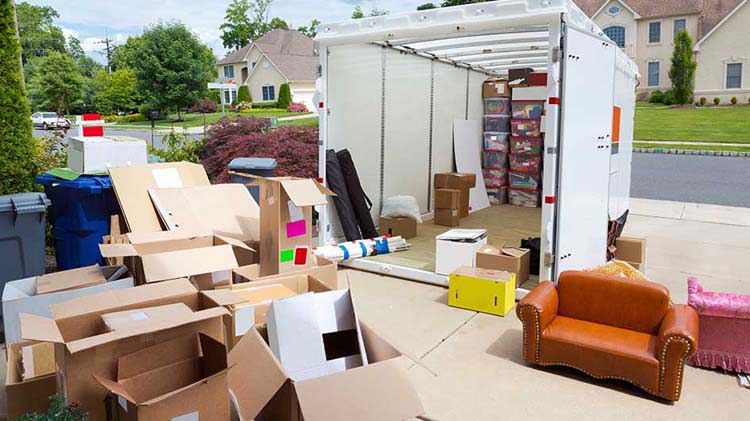
You'll also want to ensure you understand all the extra costs involved in transporting and setting up a manufactured home on a site. Part of the negotiation is often who will pay for the move costs — you or the home dealer (or the person selling you a used home). And while a manufactured home is easier to set up than a newly constructed one, you will still need to connect utilities and have a foundation and underpinning in place.
Manufactured home inspection checklist
When purchasing a manufactured home, especially a used one, a thorough inspection is essential. In addition to the standard checks for plumbing, heating and cooling, pay close attention to these aspects:
Exteriors
- Windows and doors — confirm windows and doors are well-insulated, free of cracks and operate smoothly. Check for gaps around the frames.
- Roof — opt for shingled roofs with overhangs, avoiding older flat metal roofs that are prone to leaks and cooling issues.
- Walls — look for interior leaks and preferably use vinyl siding over metal or hardboard.
- Foundation — verify the chassis condition, checking for rust, and confirm the concrete pad or pilings are solid.
- Anchoring — confirm the anchoring system is secure and well attached.
- Additions or alterations — determine if structural changes were made and if they were approved by the manufacturer.
Interiors
- Floors — test for strength, verifying they don’t squeak or sag. Avoid particle board flooring as it’s susceptible to warping and rotting.
- Belly wrap — check the insulation under this plastic barrier for dampness.
- Ceiling — examine for stains, sags, mold and, if applicable, rust or corrosion on metal roof shingles.
- Settling and leveling — older homes can settle and become unleveled, twisting the frame.
Utilities
- Wiring — be aware of potential wiring issues or fire hazards, especially with structural additions or alterations. Consider a professional electrical inspection.
- Septic — if applicable, assess the condition of sewer lines.
Buying a manufactured home is a significant investment. Thorough research, due diligence and addressing safety, construction and financial concerns should be considered.
The information in this article was obtained from various sources not associated with State Farm® (including State Farm Mutual Automobile Insurance Company and its subsidiaries and affiliates). While we believe it to be reliable and accurate, we do not warrant the accuracy or reliability of the information. State Farm is not responsible for, and does not endorse or approve, either implicitly or explicitly, the content of any third-party sites that might be hyperlinked from this page. The information is not intended to replace manuals, instructions or information provided by a manufacturer or the advice of a qualified professional, or to affect coverage under any applicable insurance policy. These suggestions are not a complete list of every loss control measure. State Farm makes no guarantees of results from use of this information.