How to prevent ice dams and attic condensation
Ice dams and attic condensation can develop when excess heat or moisture reaches the attic or roof assembly. Air sealing, insulation, ventilation and moisture control may help reduce the risk
What is an ice dam and how does it form?
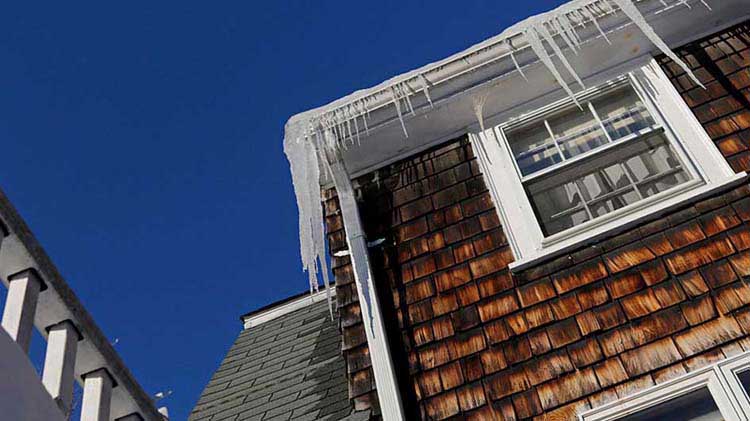
An ice dam is a ridge of ice that builds up near the edge of a roof and can block melting snow from draining properly. An ice dam can develop like this:
- Heat from inside the home warms part of the roof.
- Snow on the warmer roof surface melts and runs toward the colder eaves.
- This water refreezes near the roof edge.
If this cycle continues, ice can build up and trap water behind it. This water may then work its way under roofing materials, potentially causing leaks inside the home.
Get a homeowners insurance quote
Want to protect your home?
What causes attic condensation?
Attic condensation can form when warm, moisture-filled air reaches cold attic surfaces.
This air may enter the attic from living spaces below through gaps around access panels, plumbing and wiring penetrations, recessed fixtures and other openings. Bathroom and kitchen exhaust fans or dryer vents that discharge into the attic can also add moisture.
Because attic condensation can develop over time, addressing excess moisture and related maintenance concerns early may help reduce damage.
How to help prevent ice dams and attic condensation
Controlling heat, air and moisture can help reduce the conditions that contribute to ice dams and attic condensation.
Seal leaks into the attic
Air sealing can help reduce the amount of warm indoor air reaching the roof deck. Potential leakage points may include:
- Attic hatches and stairs
- Plumbing and electrical openings
- Recessed light fixtures
- Exhaust ducts
- Chimneys and flues
- Other ceiling penetrations
Some areas may have fire, electrical or manufacturer clearance requirements. Consider a qualified professional for work you’re not comfortable doing yourself.
Check attic insulation
Properly installed insulation can help limit heat transfer from the living space into the attic.
Insulation needs vary by home, climate and roof design. A qualified insulation or energy professional can help evaluate the property.
Keep attic ventilation pathways open
For homes with vented attics, check that insulation or stored materials aren't blocking soffit, ridge or other roof vents.
Vent moisture outside
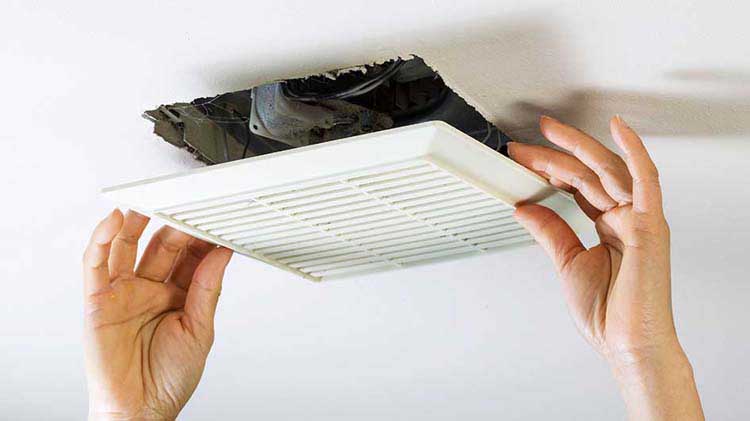
Check that bathroom and kitchen exhaust fans and dryer vents discharge outdoors rather than into the attic.
If you’re unsure where a vent ends, consider having it inspected.
Keep gutters and drainage paths clear
Keeping gutters and downspouts free of leaves and debris can help melting snow and ice drain during a thaw.
Clean gutters alone may not prevent ice dams. Repeated ice dams may point to heat moving into the attic or roof assembly.
Signs of ice dam and attic condensation problems
Winter roof or attic problems aren’t always easy to spot. This quick guide can help you recognize possible warning signs and what they may mean.
Ice forming along roof edges
Snowmelt is refreezing near colder eaves
Review attic air sealing, insulation and ventilation
Frost or moisture in the attic
Warm, moist indoor air is reaching cold attic surfaces
Seal air leaks and check that exhaust vents lead outside
Wet insulation or water stains
Moisture may be entering or collecting in the attic
Identify the source and consider a professional inspection
Repeated ice dams
Heat may be moving into the attic or roof assembly
Evaluate air sealing, insulation and ventilation together
Gutters not draining during a thaw
Ice or debris may be blocking drainage
Clear debris when it’s safe to do so and address the underlying cause
You may also want to watch your roof for heavy snow. If you notice active leaking, significant roof movement or other signs of structural stress, consider contacting a qualified professional.
What to do if you have an ice dam
If water is entering your home or ice buildup is significant, consider contacting a qualified roofing or insulation professional. An inspection may help identify why the ice dam formed and whether repairs or improvements are needed.
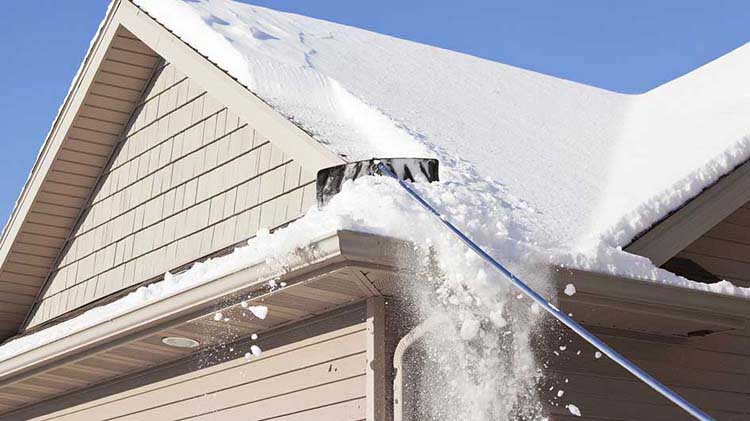
Trying to remove an ice dam yourself may damage roofing materials or create safety risks. Here are some things to keep in mind:
- Don’t chip at ice with an axe, hammer, pick or other sharp tool.
- Avoid climbing onto an icy or snow-covered roof.
- Don’t assume clearing a gutter addresses the underlying cause.
- Follow manufacturer instructions before using products or equipment on a roof.
Does homeowners insurance cover damage from ice dams or attic condensation?
Homeowners coverage depends on the type of damage and the terms, conditions, deductible, exclusions and endorsements in your policy. Normal maintenance is generally not covered. Damage caused by excess moisture or condensation may also not be covered, depending on the circumstances and policy terms. If you have questions about your homeowners policy or coverage, consider contacting your insurance company.
You can get a homeowners insurance quote now, or give us a few details and a State Farm® agent will reach out to you.
This content was developed with the help of AI and reviewed by State Farm editors.
The information in this article was obtained from various sources not associated with State Farm® (including State Farm Mutual Automobile Insurance Company and its subsidiaries and affiliates). While we believe it to be reliable and accurate, we do not warrant the accuracy or reliability of the information. State Farm is not responsible for, and does not endorse or approve, either implicitly or explicitly, the content of any third-party sites that might be hyperlinked from this page. The information is not intended to replace manuals, instructions or information provided by a manufacturer or the advice of a qualified professional, or to affect coverage under any applicable insurance policy. These suggestions are not a complete list of every loss control measure. State Farm makes no guarantees of results from use of this information.
State Farm Fire and Casualty Company
State Farm General Insurance Company
Bloomington, IL
State Farm Florida Insurance Company
Orlando, FL
State Farm Lloyds
Richardson, TX