Insurance to consider when finishing a basement
When finishing a basement, consider reviewing homeowners insurance for dwelling coverage, replacement cost, back-up of sewers or drains options, personal property coverage, code updates and liability coverage. A finished basement can change what it costs to repair or rebuild your home, so notify your insurer before or during the project.
Get a homeowners insurance quote
Want to protect your home?
Finishing a basement can turn storage space into a family room, bedroom, home office, gym or guest area. It can also change your home’s estimated replacement cost, water risk and personal property needs.
New drywall, flooring, electrical work, plumbing, HVAC updates and built-ins can add to what it might cost to rebuild or repair your home after a covered loss. Basements can also face water risks that other rooms may not. Before the first drywall goes up, consider a homeowners insurance coverage review so your policy can keep pace with the space you’re creating. Basement finishing can also be a good time to build a policy-review habit, especially after major home changes.
Insurance checklist before finishing a basement
Use this checklist as a starting point when you talk with your insurance company or agent.
Tell your insurer about the basement remodel
When you upgrade or improve your home, you may increase your home’s estimated replacement cost. As part of your policy’s provisions, you generally have 90 days to notify your insurance company of any remodeling or additions that increase your home’s replacement cost by $5,000 or more.
You don’t have to figure out the new replacement cost by yourself. Share the project scope, contractor estimate, planned materials and permit details with a State Farm agent. You can work with your agent to discuss whether your dwelling coverage, personal property limits or optional coverage needs should change.
Review dwelling coverage and replacement cost
Dwelling coverage helps protect the structure of your home. A finished basement may add materials and labor that were not part of your home’s earlier replacement cost estimate.
A basement renovation may include:
- Flooring and wall finishes
- Framing and electrical work
- HVAC modifications or additions
- Plumbing changes
- Insulation and moisture control systems
- Built-in cabinets or storage
- Egress windows or bedroom features
Replacement cost is different from market value. Replacement cost focuses on what it may cost to repair or rebuild your home with similar materials and labor after a covered loss. If the finished basement is not reflected in your dwelling coverage, you could be underinsured or have less coverage than expected after a claim.
Plan for basement water damage risks
Basements are different from other living spaces because they sit partly or fully below ground. Water may come from plumbing, drains, sump pump issues, sewer backups, foundation cracks, groundwater or outside flooding.
Before adding floors, walls or built-ins, ask how your policy handles different types of water damage.
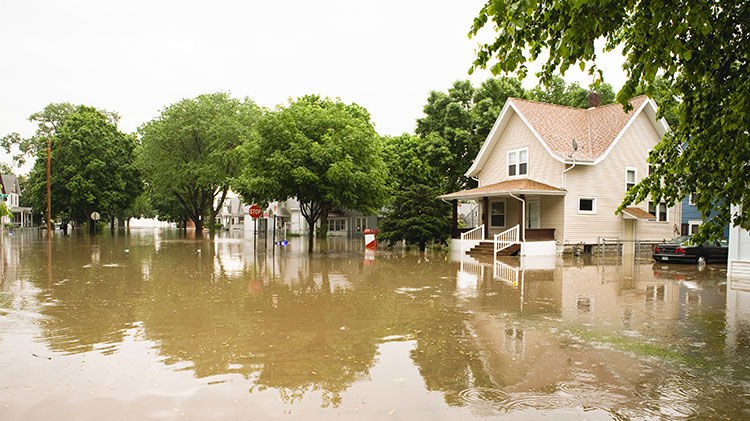
Standard homeowners insurance generally does not offer coverage for floodwater that enters from outside the home, such as when a river, stream or other body of water overflows. Other basement water losses, such as sewer or drain backup or sump pump overflow or failure, are different from floodwater and may require separate coverage options. Most flood insurance is written through the NFIP, which is administered by the Federal Emergency Management Agency (FEMA). Your State Farm agent can probably assist you with obtaining flood insurance. Ask your agent whether back-up of sewers or drains options may be available.
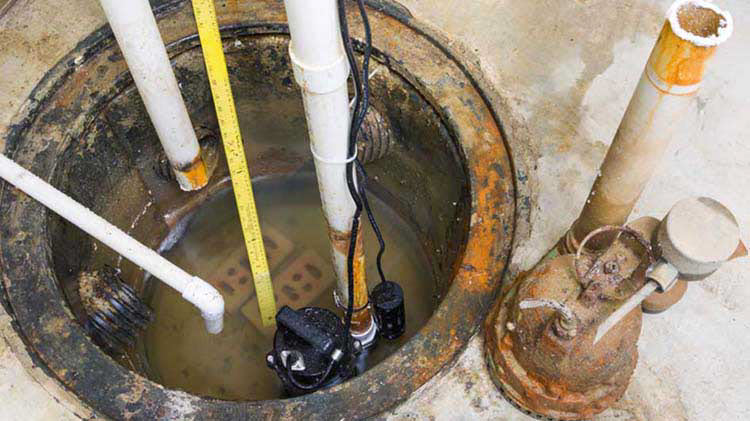
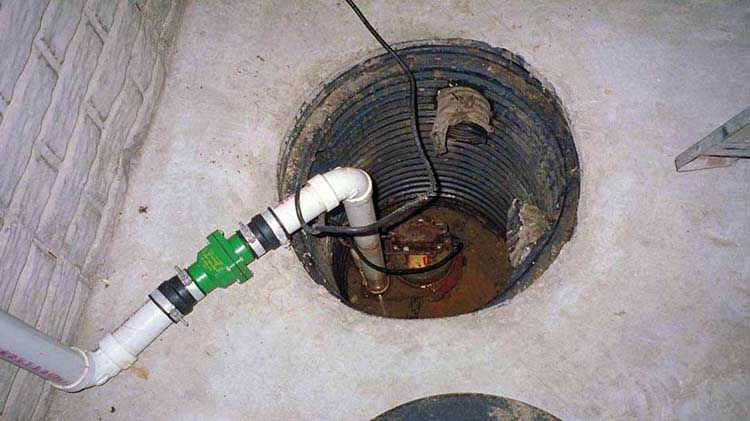
Before finishing the space, consider grading or drainage around the home, downspout extensions, sump pump installation if applicable, sealed foundation cracks, vapor barriers, moisture-resistant materials and water sensors.
Review personal property coverage in the finished basement
Once your basement becomes part of your living area, you may make additional purchases to furnish the downstairs. This could include furniture, electronics, gym equipment, home office items, musical instruments or hobby gear.
Personal property coverage may help if belongings are damaged by a covered loss, up to policy limits and subject to policy terms. Some higher-value items may have special limits or may need optional coverage or endorsements.
Basement belongings can also be affected by the same water events that may damage flooring, drywall or built-ins. Ask your agent how your policy may apply to belongings damaged by a plumbing leak, sewer or drain backup, sump pump overflow or failure, foundation seepage or outside floodwater.
Review your personal property coverage and optional coverage or endorsements if the finished basement may include:
- A TV, gaming system, speakers or computer equipment
- Exercise machines, weights or sports equipment
- Home office furniture or equipment
- Collectibles, instruments or other valuables
- Business property or inventory
A home inventory can also help. Take photos, save receipts and record serial numbers for higher-value items when possible.
Consider code updates, permits and safety
Basement projects may involve electrical, plumbing, heating, framing and structural work. Local building codes may also apply if you add a bedroom, bathroom, kitchen-style space or rental area.
Permits and inspections can help show that work was completed under local building codes. They may also be useful if you update coverage or file a claim later.
If part of your home needs to be rebuilt after a covered loss, local building codes may have changed since the home was built. Depending on your policy and the loss, building ordinance or law coverage may help with some added costs tied to rebuilding to current standards.
Safety matters, too. Review items such as:
- Stairs, railings and lighting
- Smoke and carbon monoxide alarms
- Emergency exits for bedrooms
- Electrical outlets and wiring
- Bathroom ventilation
- Clear walkways and exits
Tell your insurer if the basement may be used for a home business, regular client visits, a short-term rental or a long-term rental. Those uses may need a separate coverage review.
Keep basement remodeling records
Good records can help your agent understand the project and may reduce back-and-forth during a coverage review or claim.
Store digital copies when possible. Keep contractor names, warranties and product manuals in one place. After furniture, electronics or other items are added, update your home inventory so your records match how the finished basement is being used.
Questions to ask your agent
Bring these questions to your coverage review:
- Does this basement remodel change my home’s estimated replacement cost?
- If estimated replacement cost increases by $5,000 or more, do I need to report the project within 90 days?
- Should my dwelling coverage or personal property limits be updated?
- What basement water damage is covered, limited or excluded?
- Where can I get flood coverage?
- Are water backup or sump pump coverage options available for sewer, drain or sump pump-related losses?
- What receipts, permits and photos should I keep?
Frequently asked questions
What insurance should I consider when finishing a basement?
Finishing a basement may affect homeowners insurance because it can raise estimated replacement cost, add belongings and change how the space is used. Consider reviewing dwelling coverage, personal property coverage, liability coverage and optional coverages related to water backup, sump pump issues and building code updates.
Does homeowners insurance cover a finished basement?
A homeowners policy may offer coverage for finished basement damage if the loss is covered by the policy. Coverage may depend on factors including but not limited to: the cause of damage, policy limits, deductibles and exclusions.
Does homeowners insurance cover basement flooding?
Standard homeowners insurance generally does not offer coverage for floodwater that enters from outside the home, such as when a river, stream or other body of water overflows.
What is water backup coverage for a basement?
Water backup coverage may help with damage caused by water backing up through a sewer or drain, depending on your policy. Some options may also apply to sump pump situations. Ask what causes, limits and deductibles apply.
Can finishing a basement increase my insurance premium?
If the project raises your home’s estimated replacement cost or you add optional coverages, your premium may change. An agent can help review what may apply to your home.
Are belongings in a finished basement covered?
Personal property in a finished basement may be covered for covered losses, up to policy limits and subject to policy terms. Higher-value items, business property or certain categories may need optional coverage.
Review coverage before construction starts
Finishing a basement is more than a design project. It’s also an insurance update opportunity. By reviewing your homeowners coverage before, during and after the renovation, you can help keep replacement cost, personal property and optional coverage needs aligned with the new space.
You can get a homeowners insurance quote now, or give us a few details and a State Farm® agent will reach out to you.
This content was developed with the help of AI and reviewed by State Farm editors.
The information in this article was obtained from various sources not associated with State Farm® (including State Farm Mutual Automobile Insurance Company and its subsidiaries and affiliates). While we believe it to be reliable and accurate, we do not warrant the accuracy or reliability of the information. State Farm is not responsible for, and does not endorse or approve, either implicitly or explicitly, the content of any third-party sites that might be hyperlinked from this page. The information is not intended to replace manuals, instructions or information provided by a manufacturer or the advice of a qualified professional, or to affect coverage under any applicable insurance policy. These suggestions are not a complete list of every loss control measure. State Farm makes no guarantees of results from use of this information.
State Farm Fire and Casualty Company
State Farm General Insurance Company
Bloomington, IL
State Farm Florida Insurance Company
Orlando, FL
State Farm Lloyds
Richardson, TX