How to help protect your home while on vacation
Leaving for a trip doesn't have to mean leaving your home unprotected. Review security, mail and deliveries, utilities and home monitoring before your trip.
Whether you're heading out for a long weekend or a few weeks, consider the steps below before you leave to help reduce the chance of a problem while you're away.
Make your home look occupied
A home that looks cared for and active may be less appealing to potential burglars looking for an easy opportunity. Before your trip, think about the everyday signs that show someone is home and which ones might change while you’re away.
Manage your lights
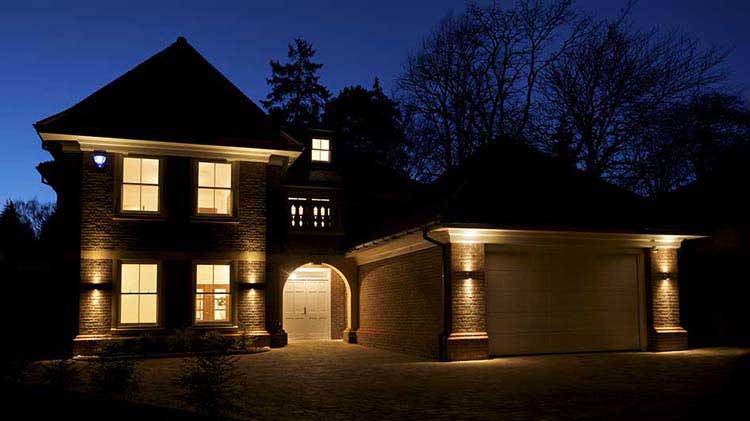
Use timers or smart lighting to turn indoor lights on and off around the times you normally use them rather than leaving the same lights on around the clock. Motion-activated exterior lights can also help illuminate entry points and walkways.
Handle mail, packages and deliveries
Mail, newspapers and packages that pile up are a telltale sign that no one is home. Pause or reschedule any recurring deliveries or arrange to have packages picked up.
For shorter trips, the USPS Hold Mail service can hold mail at your local Post Office for three to 30 days. If you’ve planned a longer getaway, the USPS recommends mail forwarding instead.
Keep up with the lawn and exterior
If you’ll be gone long enough for your property to noticeably change, arrange for lawn care or other routine maintenance. For example, ask someone to move trash and recycling containers or take care of any seasonal cleanup.
Before leaving, put away outdoor furniture, tools and other items that could be damaged or moved by high winds or severe weather. Trim any overhanging branches that could provide access to your roof or windows or cause damage during a storm. If storms are in the forecast, review severe weather safety tips before your trip.
Be careful about sharing travel plans
Consider waiting until you return to post on social media about your vacation dates, photos or other details that show your home is empty. If you decide to share while away, review your account privacy settings and think about who can see what you post.
Secure entry points, valuables and vehicles before you leave
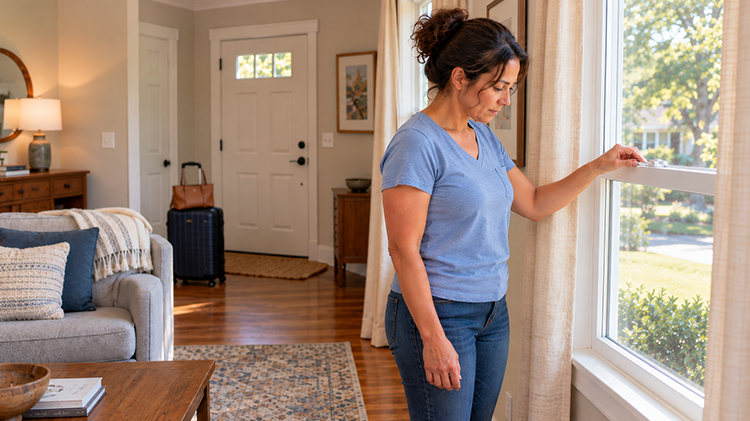
A quick walk-through before departure can help you catch an unlocked door, open window or other entry point you might otherwise miss.
Lock doors, windows and the garage
Check the front door, other exterior doors, windows, sliding doors and garage doors. Don't overlook the door between the garage and the house, or sheds and other backyard structures where you keep valuables.
Remove spare keys from outside
Take spare keys out of common outdoor hiding places such as beneath a mat, inside a planter or near the door. If someone needs access while you’re gone, consider giving the key directly to that person or using another secure access method like a temporary access code for a smart lock or garage keypad.
Store valuables out of sight
Put jewelry, important documents, laptops, gaming systems and other valuables somewhere less visible from doors and windows.
If you use a home safe, think about its location as well as the type of protection it provides.
Protect vehicles you're leaving at home
If a vehicle will stay home while you travel, a few steps can help prevent car theft:
- Lock the vehicle: Close the windows, lock the doors and take the keys with you.
- Remove valuables: Take bags, electronics and other belongings out of sight or out of the vehicle.
- Choose a secure parking spot: Park in a garage when possible. If the vehicle will stay outside, consider a well-lit location.
- Think about garage access: If you park outside, consider removing the garage door opener from the vehicle so it can't be used to access your home.
- Check tracking and security features: If you use a vehicle tracking system or other anti-theft technology, check that it's working before you leave.
If your car is stolen or vandalized while you’re away, comprehensive coverage may help pay to repair or replace a covered vehicle. Contact a State Farm agent with questions about your coverage or get a car insurance quote if you’re exploring coverage options.
Protect your home from damage while you're away
Burglary isn’t the only concern when a house is empty. Before your trip, check systems and equipment that could create a problem if something changes while no one is there.
Check smoke and carbon monoxide alarms
Test smoke and carbon monoxide alarms and address any low batteries or alerts before you leave. If your alarms connect to a monitored or smart home system, check that notifications are set up the way you expect.
Unplug electronics you won't need
Consider unplugging TVs, coffee makers and other small electronics that don’t need to stay powered while you’re gone to help protect them from power surges. Leave equipment connected when it needs power for security, monitoring, refrigeration or another essential purpose.
Set your thermostat and check for plumbing issues
Choose a thermostat setting that fits the season, your climate and the needs of your home. If you use a smart thermostat, check that remote access and temperature alerts are working before you leave.
Look for obvious leaks around sinks, toilets and appliances as part of your pre-trip walk-through. If freezing temperatures are possible, additional plumbing preparation may be needed.
For a long winter absence, consider more detailed preparation for heating, pipes, water leak monitoring and snow and cold-weather preparation.
Set up home monitoring
Even after you leave, there are ways to keep an eye on what's happening at home with security systems and remote monitoring. Consider these preparation tips:
- Security cameras and smart locks: Confirm cameras, video doorbells and smart locks are connected and working. Test alerts so they reach your phone as expected.
- Remote monitoring: Check that any connected thermostats, water sensors or other smart home devices you plan to monitor can be accessed remotely.
- Security provider: Review your security provider’s instructions and confirm monitoring settings are active.
- Home check-ins: For longer trips, ask a trusted neighbor, friend or family member to stop by periodically and look for signs of water leaks, storm damage, HVAC problems or anything else that seems unusual.
Review your homeowners insurance
If you’ll be away for an extended period, consider reviewing your homeowners insurance before you leave. If you use a home alarm or security system, it may also create opportunities for savings on your homeowners insurance.
Contact a State Farm agent with questions about how your policy may apply while you’re away and to see if you qualify for a homeowners insurance discount.
This content was developed with the help of AI and reviewed by State Farm editors.
The information in this article was obtained from various sources not associated with State Farm® (including State Farm Mutual Automobile Insurance Company and its subsidiaries and affiliates). While we believe it to be reliable and accurate, we do not warrant the accuracy or reliability of the information. State Farm is not responsible for, and does not endorse or approve, either implicitly or explicitly, the content of any third party sites that might be hyperlinked from this page. The information is not intended to replace manuals, instructions or information provided by a manufacturer or the advice of a qualified professional, or to affect coverage under any applicable insurance policy. These suggestions are not a complete list of every loss control measure. State Farm makes no guarantees of results from use of this information.
State Farm Mutual Automobile Insurance Company
State Farm Fire and Casualty Company
State Farm General Insurance Company
State Farm Indemnity Company
Bloomington, IL
State Farm Florida Insurance Company
Orlando, FL
State Farm County Mutual Insurance Company of Texas
State Farm Lloyds
Richardson, TX