Severe weather safety tips
Preparing for a severe wind or storm emergency may help minimize damage to your property.
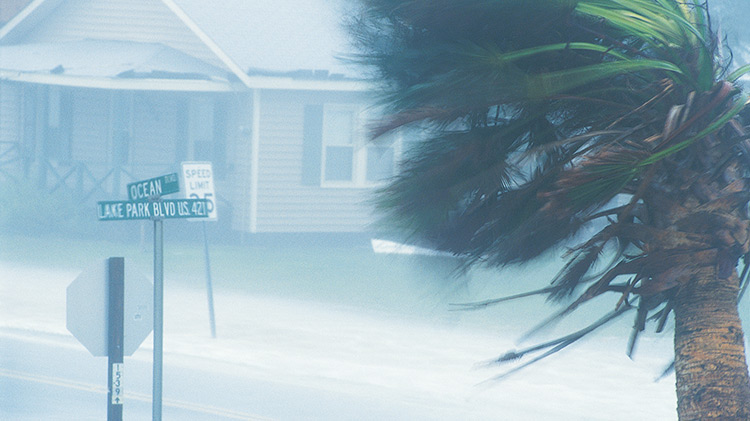
High winds during severe weather events such as hurricanes and tornadoes can exceed 100 mph. Even if winds don’t reach that level, strong winds are capable of causing property damage, flying debris and broken glass, all of which can result in injury. Creating an emergency preparedness plan that includes a disaster survival kit and an emergency evacuation plan can help protect your family from harm and minimize inconvenience during severe weather events.
Stay informed
- Monitor weather updates and advisories — Stay updated by tuning into a NOAA Weather Radio, battery-powered radio or cell phone for alerts. A high wind advisory indicates that sustained winds exceeding 25 mph are expected.
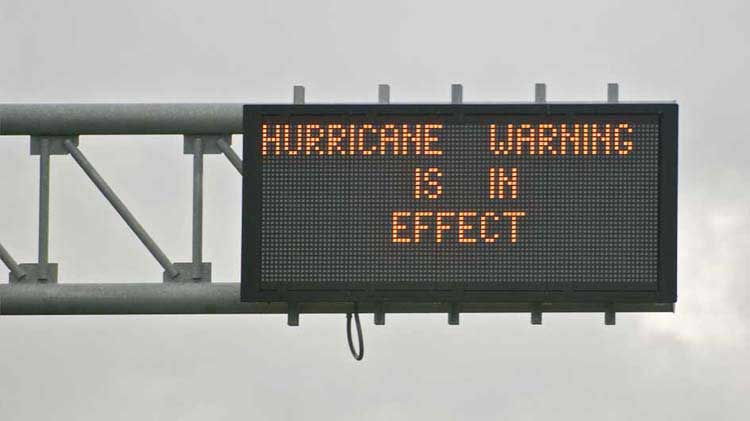
- Pay attention to warnings — Take severe thunderstorm, tornado and hurricane warnings seriously, as they signify imminent severe weather with strong wind, lightning and other hazards.
- Evacuate with your survival kit and supplies — If you need to evacuate, bring your emergency preparedness kit and supplies. Inform your emergency contact of your evacuation location and confirm all doors and windows are locked before leaving.
Find shelter during severe weather
- Take shelter in a safe location — Move to the middle of your home or apartment or go to the lowest floor or basement, away from windows and glass doors. Other options include taking cover under a staircase, in a bathroom or a closet.
- Evacuate manufactured homes — Do not stay in a manufactured home during severe winds. Even with new straps and tie-downs, manufactured homes are more vulnerable to damage than structures with permanent foundations and can easily be overturned by high winds. Flying debris can also puncture their light frames and exteriors.
- Consider building a safe room — If you live in an area prone to severe wind, you may want to build a safe room in your home. A safe room is an area of your home that has been reinforced to provide protection from broken glass and flying debris. An experienced contractor can build a safe room with a reinforced roof, walls and ceilings in a new or existing home.
- Follow the evacuation order in public places — Whether you’re in a hotel, school, church or other public place, follow their severe weather safety plan. Find an enclosed room, such as a bathroom or hallway, to protect yourself from the risk of glass and debris flying through the space you’re in.
- Don’t drive during severe storms — Being in a vehicle during a severe storm can be fatal. If you’re planning a road trip, you may want to delay it. If you’re in a vehicle and it begins to hail, consider these hailstorm safety tips.
Tips to help protect your property from high winds
- Store your vehicles — Put the vehicles you plan to leave behind in a garage. If you don't have a garage, move them to a secure place on higher ground in case of flooding.
- Protect your boat — Develop a plan and a checklist to help prepare your boat in case of storms or hurricanes. Determine the safest place for your boat to ride out a storm ahead of time. Remove all externally mounted electronics. If your boat must remain in the water, avoid low dock pilings and narrow boat slips to help prevent potential damage. Check with your marina about any guidelines or contractual requirements to safeguard your boat in the event of heavy weather.
- Place home appliances and furniture inside — Put garbage cans, patio furniture, grills and other potentially wind-borne objects inside your home or garage.
- Board up your home — Board up windows and glass doors with shutters or plywood to protect against broken glass.
- Secure and shut off your outdoor pool — Turn off the circuit breaker to your outdoor pool and remove the motor to prevent damage.
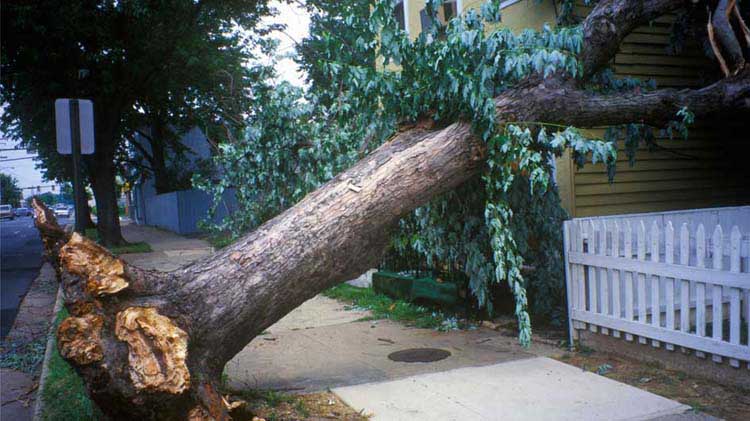
- Remove risky tree branches — Prune branches that might break off during the storm and hurt someone or cause damage to your home or vehicles.
- Rent or buy a generator — Consider renting or purchasing a generator to power essential appliances like refrigerators, freezers and lights during a power outage which may last hours, days or weeks depending on the severity of a storm.
Steps to prepare for storm season
Consider these safety procedures when preparing for potential storms:
- Organize important documents — Gather essential documents like your mortgage, home insurance, auto policies, birth certificates and passports and store them off-site in a secure location, such as a bank safe-deposit box. This way, you can access them even if your home is damaged. Consider storing other important papers and keepsakes in sealed plastic bags on a high shelf to protect them from potential flood damage. Additionally, think about purchasing flood insurance for further protection.
- Create a home inventory — Compile a list of your possessions to help simplify insurance claims after a storm. Keep this inventory with your important documents off-site. Having a pre-existing inventory makes the claims process much easier than trying to create one after a stressful event.
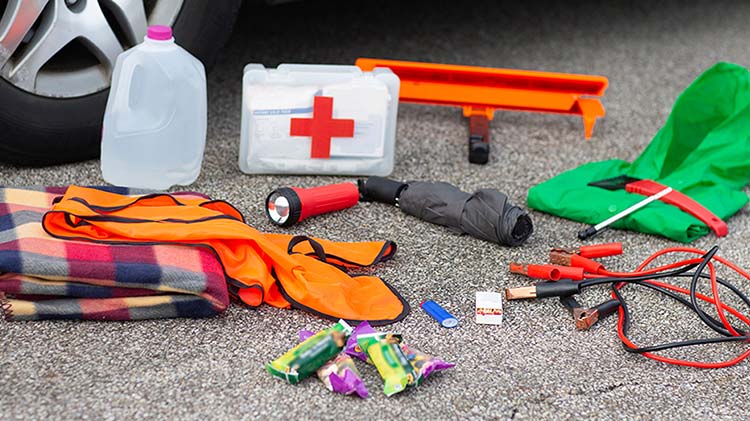
- Assemble an emergency kit — Put together an emergency preparedness kit tailored to your location and potential emergencies. This kit can be invaluable if you need to evacuate your home and stay in a public shelter temporarily.
- Establish an emergency fund — If possible, build an emergency fund to aid in your recovery after a storm.
Other resources
- Institute for Business and Home Safety
- Federal Alliance for Safe Homes
- American Red Cross
- Federal Emergency Management Agency
If you're a State Farm® policyholder and have experienced a catastrophe, contact your State Farm agent first. If you can't reach your agent's office, you can start and track a claim online or call our customer representatives 24/7 at 800-SF-CLAIM.
The information in this article was obtained from various sources not associated with State Farm® (including State Farm Mutual Automobile Insurance Company and its subsidiaries and affiliates). While we believe it to be reliable and accurate, we do not warrant the accuracy or reliability of the information. State Farm is not responsible for, and does not endorse or approve, either implicitly or explicitly, the content of any third-party sites that might be hyperlinked from this page. The information is not intended to replace manuals, instructions or information provided by a manufacturer or the advice of a qualified professional, or to affect coverage under any applicable insurance policy. These suggestions are not a complete list of every loss control measure. State Farm makes no guarantees of results from use of this information.
State Farm Fire and Casualty Company
State Farm General Insurance Company
Bloomington, IL
State Farm Florida Insurance Company
Orlando, FL
State Farm Lloyds
Richardson, TX