How snowbirds can winterize a home before leaving for winter
Heading south for an extended stay takes some planning, and your home is no exception. A few steps before you leave, like prepping your heat, plumbing, security and your insurance, can help reduce the chance of problems while you are away.
Prepare your heat and plumbing before you leave
Cold weather can cause problems quickly in an unoccupied home. Before you leave, consider checking your heating and plumbing systems and make a plan for keeping tabs on them from a distance.
What temperature should you leave a vacant house at in winter?
Keep the heat on and set the thermostat no lower than 55-60 degrees Fahrenheit. This helps reduce the risk of frozen pipes and cold-weather damage. If your home has unique heating needs or you live in a climate with severe winters, you may want to check with a heating professional before you go.
A smart thermostat can make an extended absence easier to manage. Many models let you check and adjust your home's temperature remotely, so you can respond if something changes while you are away.
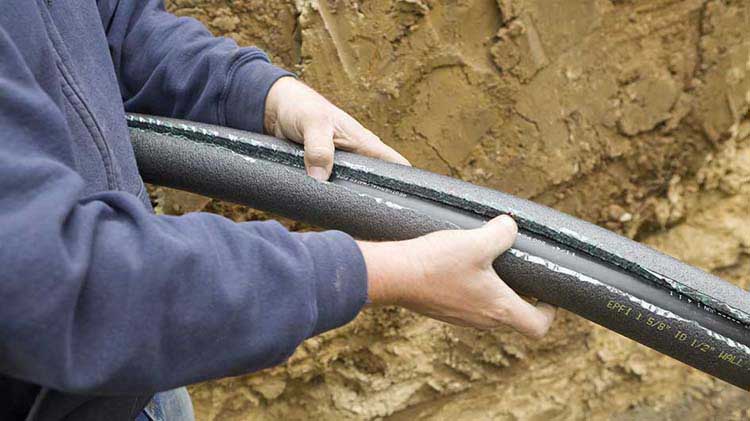
Protect pipes from freezing
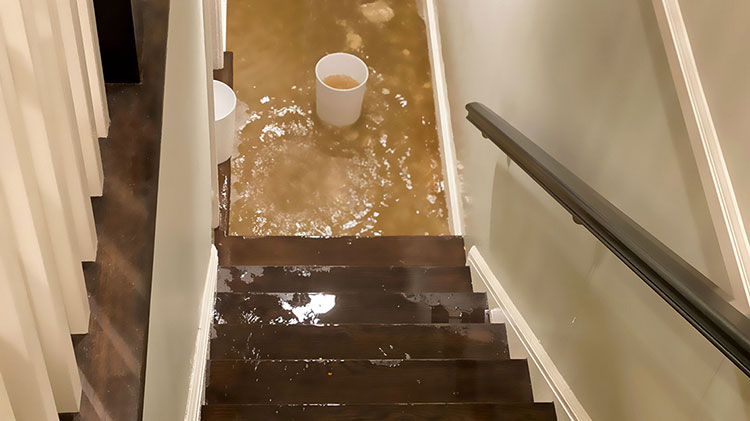
Frozen pipes can lead to costly water damage. Before leaving, inspect exposed plumbing in areas like the basement, attic or crawlspace, and take steps suited to your home and climate.
Shutting off the main water supply is one option for longer absences. If you do, open a faucet afterward to relieve pressure and clear some water from the interior pipes. Disconnect garden hoses and shut off water to the washing machine and dishwasher as well.
For a more detailed checklist, see ways to help prevent pipes from freezing. If your home requires more involved plumbing winterization, a licensed plumber can help determine the right approach.
Consider a water leak monitoring system
A water leak can go unnoticed for a long time when no one is home. A leak detection device or automatic shutoff system may help alert you to a problem before it gets worse.
Secure your home while you're away
An extended absence changes how you think about home security. Before you leave, consider taking some of these steps to make the home look maintained and monitored rather than sitting empty.
- Mail and deliveries: A pile of mail and packages is one of the clearest signs that no one is home. Arrange for mail to be held or forwarded, and pause subscriptions and package deliveries.
- Locks and entry points: Check that exterior doors and windows close and lock properly. Remove spare keys from common hiding spots such as under a doormat, inside a flower pot or on top of the doorframe.
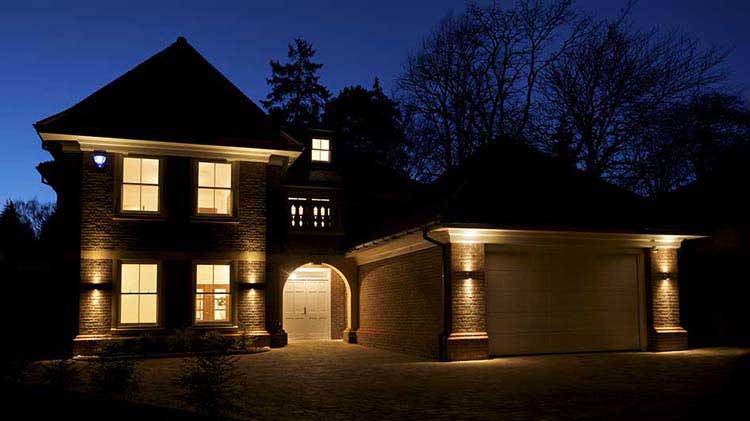
- Lighting: Use timers or smart lighting to vary when lights turn on and off. A home that looks the same every night is easier to identify as vacant.
- Security systems: Consider a home security system, cameras or remote monitoring. Many connect to a smartphone and can alert you to activity at the property.
- Neighbor check-ins: Ask a trusted neighbor, friend or family member to stop by periodically and let you know if anything seems off. If there’s been a storm or severe cold, they can check for signs of leaks, storm damage, heating issues or anything else that needs attention.
- Snow removal: Arrange for a snow removal service so the driveway and walkways stay clear. An unplowed driveway can be a clear signal that no one is home.
- Social media: Avoid sharing details about your absence publicly. Save the travel photos for when you return.
- Home inventory: Store valuables out of sight and consider updating your home inventory before you leave.
Review your homeowners insurance before an extended absence
If you'll be away for an extended period, review your homeowners insurance before you leave.
How an extended absence affects a policy can depend on the circumstances and policy terms. Contact your insurer or State Farm agent with questions about how your policy may apply while the home is unoccupied and whether there are additional considerations for your situation.
Take care of a few final home tasks
Walk through the home one more time before your last day and take care of a few final items.
- Electronics: unplug TVs, coffee makers and other small appliances that don’t need to stay on to help protect them from power surges.
- Deter pests: Remove food that could spoil or attract pests. If you’ll be gone long enough to warrant it, empty, clean and defrost the refrigerator and freezer. Inspect the foundation and seal any openings that could let pests in.
- Snow prep: Clean the gutters so melting snow and ice can drain properly. Trim or remove any dead limbs or trees near the house that could fall under heavy snow or ice.
For a broader cold-weather checklist, see DIY tips for winterizing your home.
When you return home
Before switching everything back on, walk through the home and look for signs of water damage, plumbing issues or anything that may have changed while you were away. Pay attention to the basement, crawlspace and any areas where pipes could have been exposed to cold.
If you shut off water or other utilities before leaving, restore them according to the guidance for your home or with help from a professional.
A little preparation before a long winter absence can help make the time away more enjoyable and the return home much smoother.
This content was developed with the help of AI and reviewed by State Farm editors.
The information in this article was obtained from various sources not associated with State Farm® (including State Farm Mutual Automobile Insurance Company and its subsidiaries and affiliates). While we believe it to be reliable and accurate, we do not warrant the accuracy or reliability of the information. State Farm is not responsible for, and does not endorse or approve, either implicitly or explicitly, the content of any third-party sites that might be hyperlinked from this page. The information is not intended to replace manuals, instructions or information provided by a manufacturer or the advice of a qualified professional, or to affect coverage under any applicable insurance policy. These suggestions are not a complete list of every loss control measure. State Farm makes no guarantees of results from use of this information.
State Farm Fire and Casualty Company
State Farm General Insurance Company
Bloomington, IL
State Farm Florida Insurance Company
Orlando, FL
State Farm Lloyds
Richardson, TX