Car stolen or damaged by hail? Help understand comprehensive insurance
Learn what comprehensive auto insurance covers (theft, hail, vandalism and more), how it differs from collision, and why it might be important for your vehicle.
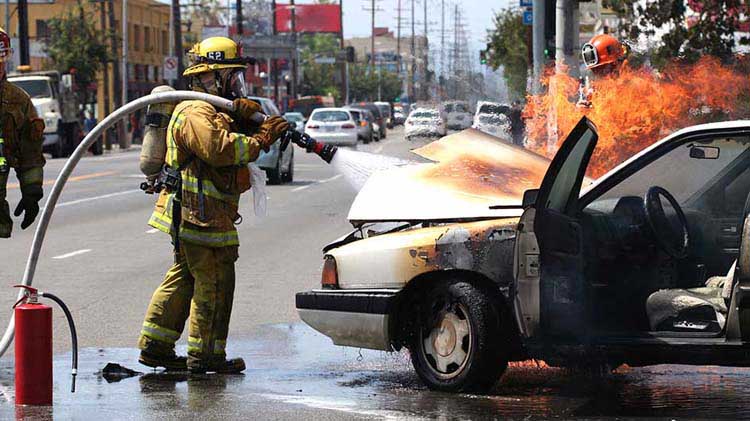
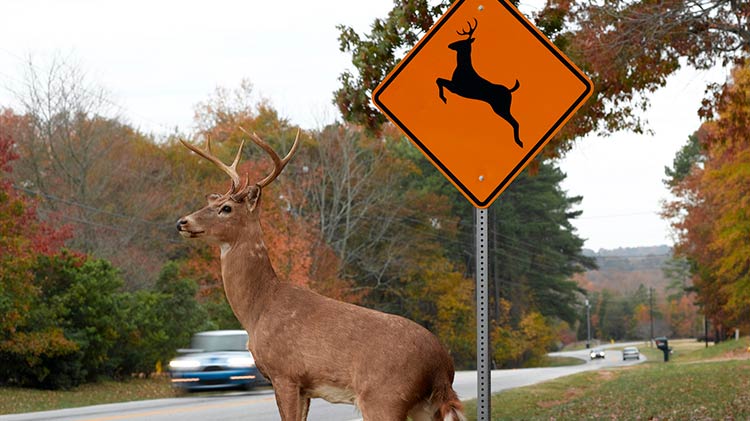
Overview: Comprehensive auto insurance helps provide coverage on unexpected damage to a covered vehicle not caused by a crash or rollover. Comprehensive coverage covers damages resulting from incidents such as hail, falling objects, vandalism, or hitting an animal. It pays repair costs on covered losses after your deductible. This coverage is not a requirement, however, if your car is leased or you have a loan you likely will need comprehensive insurance to help protect the financier’s investment. Understanding what comprehensive coverage is, what it includes, and what makes it different from liability and collision insurance may help you decide what sort of coverage you need and how to help protect your vehicle.
What is comprehensive insurance?
Comprehensive coverage pays for damages resulting from losses other than a collision or overturning of your vehicle. You never know when weather, theft, or a falling object might damage your car and it’s important to prepare for the unexpected. Learn how comprehensive coverage might be right for you and the benefits of having comprehensive insurance.
What does comprehensive coverage typically cover?
Note: Comprehensive coverage doesn't cover personal items stolen from inside the car; check your home or renters insurance policy for that.
How much does comprehensive insurance cost?
Like most types of insurance, there are many factors that determine cost. The best way to determine your cost is to get a free online quote or speak to a State Farm® agent. Understanding your comprehensive coverage deductible and how it impacts your overall insurance cost helps also.
Consider your deductible amount. When you have a higher deductible, you pay a lower premium. This means that you pay less monthly but will pay more if something happens to your car. If you choose to have a lower deductible, your premium will be higher, but you will be responsible for less if you have a loss.
Scenario: Your car is out during a hailstorm and there is lots of hail damage, you take it to an autobody shop and they estimate $2,000 in repair costs so you file a claim.
- If your deductible is $500, you will pay the first $500 and your insurance company will pay the remaining $1,500.
- If your deductible is $1,000, you will pay $1,000 and your insurance company pays the remaining $1,000.
- Your insurance premium will be higher if your comprehensive deductible is $500 vs. $1,000.
Why might you need comprehensive coverage?
- It’s required by your lender. If you are leasing a car or have a car loan, a lender will want to protect their investment. Typically, a lender will require both collision and comprehensive insurance until the loan is paid off.
- To protect your finances. If your car suffers serious flood damage or is stolen, can you cover those costs? Unexpected damages are just that, unexpected and may not fit into your budget. With comprehensive coverage, you are responsible for your chosen deductible then your insurance company pays the remaining covered costs.
- You live in a climate prone to severe weather conditions. If you are likely to have storms, flooding, hail, strong winds, fires, high temperatures, or tornadoes at some point during the year where you live, consider the benefits of comprehensive coverage for your car.
- You want to feel more at ease. Knowing that your insurance will cover most unexpected car damage may make owning, driving, and storing a car less stressful.
- You often park outside. Parking outside may increase the possibility of your car suffering from weather related damages or damages related to vandalism or theft. Comprehensive insurance offers additional coverage for these instances.
- You own a high-value car. If your car is expensive, considering comprehensive insurance is important in the event of unexpected costly repairs.
Scenario: You park your car in a parking lot outside of your apartment. One morning, you go to drive your car to work, and you find your car has been vandalized with spray paint. Because you have comprehensive coverage, you can contact your insurance agent and begin filing a claim.
Is comprehensive insurance required?
Comprehensive insurance is often optional but there are a few exceptions. This form of car insurance isn’t required by U.S. law but it is often required by most lenders. This means that if you have a car loan or lease your vehicle you likely need comprehensive coverage.
Scenario: You lease your vehicle from a local auto dealership. The dealership wants to help protect their finances so as a precaution, they require you to carry comprehensive insurance. This is part of your lease agreement even though it isn’t a law, it’s a requirement by your lessor.
What is the difference between collision, comprehensive and liability insurance?
- Liability insurance helps pay for damage you cause to other people or their property.
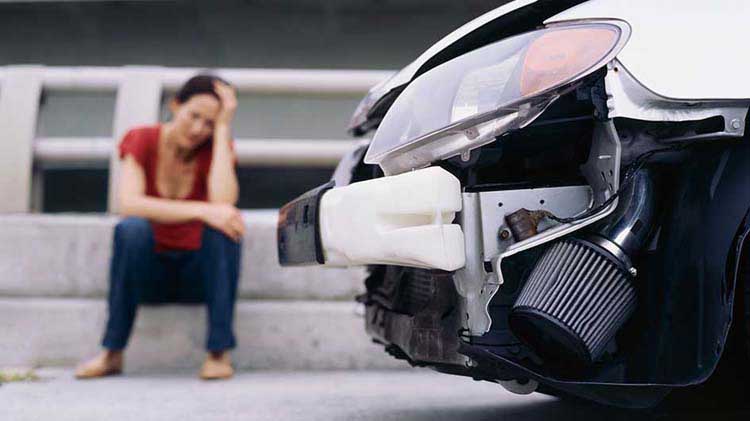
- Collision coverage helps pay to fix your car in event of a collision or rollover.
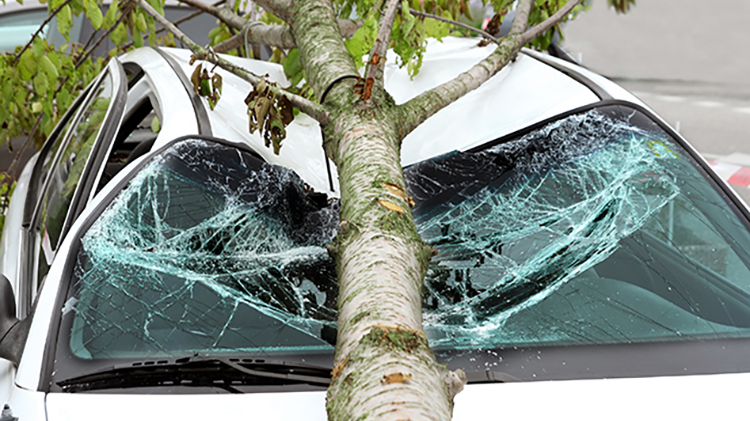
- Comprehensive coverage helps pay for damages from non-crash related events (storm damage, vandalism, fallen tree branch, etc.)
Not all auto coverage is alike, and it can be hard to make the distinctions yourself. If you have additional questions, call an agent and they can aid in navigating the various types of auto insurance and help you find what coverage is good for your vehicle.
What if your car is older?
Comprehensive coverage may still be beneficial for an older vehicle. Comparing the cost of the premium plus the cost of the deductible to car’s market value gives insight into whether it is right for you. Even if your car is older, damages like a broken window or key scratches can be costly to repair yourself.
Scenario: You own a car with a market value of $4,000. Your yearly premium is $340 with a deductible of $500. Oh no! A branch falls on your car causing $3,000 in damages. Because you have comprehensive coverage, you are only responsible for paying the $500 deductible at the time of loss. You can’t afford to pay for the cost of repairs or potential replacement of the car so you may be happy to have comprehensive coverage.
You can get an auto insurance quote now, or give us a few details and a State Farm® agent will reach out to you.
The information in this article was obtained from various sources not associated with State Farm® (including State Farm Mutual Automobile Insurance Company and its subsidiaries and affiliates). While we believe it to be reliable and accurate, we do not warrant the accuracy or reliability of the information. State Farm is not responsible for, and does not endorse or approve, either implicitly or explicitly, the content of any third-party sites that might be hyperlinked from this page. The information is not intended to replace manuals, instructions or information provided by a manufacturer or the advice of a qualified professional, or to affect coverage under any applicable insurance policy. These suggestions are not a complete list of every loss control measure. State Farm makes no guarantees of results from use of this information.
State Farm Mutual Automobile Insurance Company
State Farm Fire and Casualty Company
State Farm General Insurance Company
State Farm Indemnity Company
Bloomington, IL
State Farm Florida Insurance Company
Orlando, FL
State Farm County Mutual Insurance Company of Texas
State Farm Lloyds
Richardson, TX