How to winterize a house
Winterizing your home means preparing it for cold temperatures, snow, ice and changing weather. From protecting pipes to sealing drafts, a little preparation can help reduce the risk of winter damage and keep heating costs manageable.
Not sure where to start? These indoor and outdoor winter home maintenance tips can help you get ready before temperatures drop.
When should you start winterizing your home?
Fall is a good time to start, before the first freeze in your area. You'll have time to check your heating system and take care of outdoor maintenance while the weather is still mild.
Even if you live somewhere with mild winters, it's worth checking exposed pipes, outdoor faucets and areas where cold air can enter your home. A sudden freeze can cause problems in places that aren't used to cold weather.
How to winterize the inside of your house
Preparing the inside of your home can help keep the heat in, protect your plumbing and reduce the energy needed to stay comfortable.
Check your heating system
Your furnace or heat pump may get a workout during the colder months. Routine maintenance can help your heating system run efficiently and catch potential problems before you need it most.
- Regular inspections: Schedule a professional heating system inspection before cold weather arrives.
- Keep up with filter maintenance: Check your furnace filter regularly and replace or clean it according to the manufacturer's instructions. A dirty filter can restrict airflow.
- Remove obstructions: Keep heating vents and return air registers clear of furniture and rugs to help avoid overworking your compressor.
- Fireplace considerations: If you use a fireplace, have the chimney and fireplace inspected and cleaned as needed by a qualified professional before the heating season.
For additional information, see these furnace tips for extreme cold.
Seal drafts around windows and doors
Cold air can enter through small gaps around windows and doors, making your heating system work harder. Walk around your home and check for drafts, especially near older windows and exterior doors. Consider these options to improve comfort and reduce wasted energy:
Weatherstripping
To seal gaps around doors and windows that open and close.
Caulking
To seal gaps around stationary window and door frames. You can select either permanent or temporary caulk.
Window insulation film
To help reduce drafts from windows, especially if you're looking for an affordable, temporary option.
Storm windows
To improve insulation and reduce drafts when you're considering a longer-term improvement.
Don't overlook smaller sources of drafts. Foam insulating gaskets behind electrical outlets and light switch covers on exterior walls can help block air leaks. Turn off the power before removing a cover plate and follow the product instructions. A thermal curtain over a drafty exterior door may also help keep cold air out without replacing the door.
Check your attic and crawl space insulation
Insulation helps keep heat inside your home. If your attic or crawl space isn't well insulated, some rooms may feel colder than others, and your heating costs could rise. The Environmental Protection Agency (EPA) estimates that homeowners can save an average of 15% on heating and cooling costs by air sealing and adding proper insulation, so insulating now can pay off in the long run.
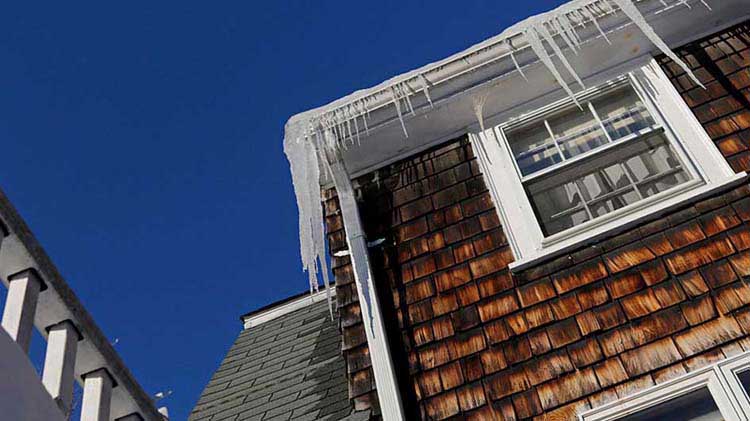
Check for missing or damaged insulation and look for signs of moisture. If your attic has vents, keep them clear so air can circulate. Improving insulation and sealing air leaks may also help reduce the risk of ice dams.
Not sure whether your home needs more insulation? The ENERGY STAR guide to sealing and insulating can help you identify areas to check. Consider hiring a qualified professional for work near electrical wiring, chimneys or other areas that may have special safety requirements.
Help prevent frozen pipes
Water expands when it freezes, which can cause pipes to crack or burst. Pipes in unheated areas, such as attics, garages, crawl spaces and basements, may be more vulnerable during freezing weather.
To help protect your plumbing and prevent pipes from freezing:
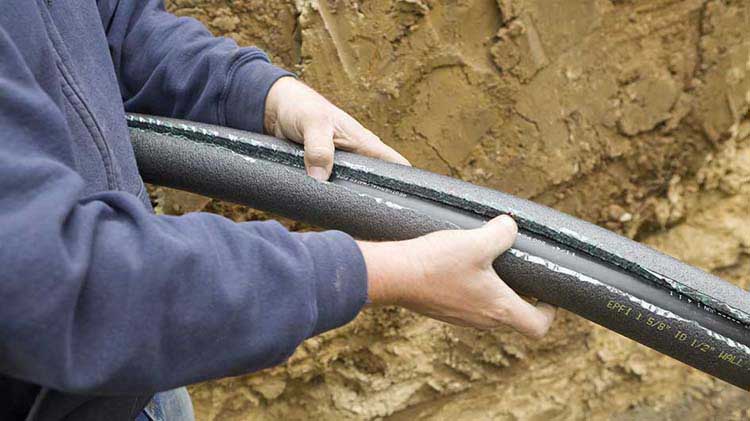
- Add pipe insulation to exposed water lines in unheated areas.
- Seal gaps where cold air enters around pipes, using materials suited to the location.
- Keep garage doors closed when water supply lines run through the garage.
- During extreme cold, open cabinets beneath sinks along exterior walls to let warmer air circulate. Move cleaners and other hazardous items out of children's and pets' reach.
- Consider allowing a small trickle of water from a faucet served by exposed pipes during severe cold.
- Locate your home's main water shutoff valve before you need it.
Use your thermostat to manage heating costs
A programmable or smart thermostat can help you adjust your home's temperature based on your daily routine. Lowering the heat while you're asleep or away may reduce energy use during normal winter conditions, though keeping your thermostat set to 55 degrees or above may help protect pipes from freezing.
If a period of extreme cold is expected, protecting your plumbing takes priority. Keeping the temperature steady may be safer for vulnerable pipes than using large nighttime setbacks. If you have a heat pump, check its instructions or ask a heating professional about settings that work efficiently with your system.
Prepare the outside of your house for winter
Cold weather can be tough on your roof, gutters, plumbing and outdoor equipment. A few maintenance tasks before winter can help you spot problems early.
Inspect your roof and clean gutters
From the ground, look for missing or damaged shingles, loose gutters and branches that could fall onto your roof.
Remove leaves and debris from gutters and downspouts so water can drain away from your home. Check that downspouts direct water away from the foundation.
If you notice roof damage or need to reach a high gutter, consider hiring a professional rather than climbing onto the roof.
Winterize outdoor faucets and water lines
Water left in outdoor plumbing can freeze when temperatures fall. Here are four outdoor areas to consider prepping:
- Hoses: Disconnect, drain and store garden hoses.
- Faucets: Shut off the indoor water supply to outdoor faucets and drain the lines where applicable.
- Sprinklers: Prepare sprinkler systems according to the manufacturer's or installer's instructions.
- Pools: Follow the recommended winter closing procedures for pools and hot tubs.
Get your yard and outdoor equipment ready
- Tree maintenance: Look for tree limbs that appear damaged or could fall under the weight of snow and ice. A qualified tree professional can help with larger branches or work near power lines.
- Remove debris: Clear leaves from around outdoor heating equipment, utility meters and ventilation openings.
- Equipment prep: Check that outdoor lights work and that snow shovels or snowblowers are in usable condition.
- Patio prep: Consider storing outdoor furniture and other decor items that could be damaged or blown around during a storm.
More ways to save energy during winter
Once you've handled the main winterizing tasks, a few everyday habits may help you use less energy without giving up comfort.
- Consider a home energy assessment. Ask your utility company about home energy assessments or available programs. An assessment can help identify air leaks, insulation needs and other opportunities to improve efficiency.
- Let the sunshine in: Open curtains on sunny windows during the day to take advantage of natural warmth. Close them at night to help reduce heat loss.
- Adjust ceiling fans. Some ceiling fans have a reverse setting that helps move warm air down from the ceiling when used at a low speed.
- Switch to LED lighting. Replace older incandescent bulbs with energy-efficient LED bulbs, especially in lights you use frequently.
- Check your water heater temperature. Heating water uses energy, even when you're not running a faucet. The U.S. Department of Energy recommends 120 degrees Fahrenheit for most homes. However, some households and water heating systems need different settings. Check your owner's manual or ask a qualified professional before making changes. An insulating jacket can also help minimize excess heat loss.
Prepare your home for winter storms
Winter storms can bring heavy snow, ice and power outages. Before severe weather arrives, check that your heating system is working properly and locate your home's main water shutoff valve in case a pipe bursts.
If you have a backup generator, review how to operate it safely. After a storm or heavy snowfall, check accessible outdoor furnace and dryer vents for snow or ice that could block airflow.
Frequently asked questions about winterizing a house
Can I winterize my own house?
Yes. Many winterizing tasks are suitable for homeowners, including adding weatherstripping, insulating exposed pipes, changing accessible furnace filters and disconnecting garden hoses.
Other jobs, such as servicing heating equipment, repairing a roof or working around electrical systems, may call for a qualified professional.
How much does it cost to winterize a house?
The cost depends on your home's size, condition and the work needed. Simple projects, such as sealing drafts or adding pipe insulation, may require only basic supplies. Larger improvements, such as adding attic insulation or repairing a heating system, can cost more.
What temperature should you leave your house at during winter if you're away?
Keep the heat on and set the thermostat no lower than 55-60 degrees Fahrenheit when you're away during cold weather. Some homes may need a higher temperature based on insulation, exposed plumbing and outdoor conditions.
If you're leaving for an extended trip, see these additional tips for winterizing a home before leaving for winter.
Take the next step in protecting your home
Winterizing your house is one part of caring for your property throughout the year. Once you've finished your seasonal maintenance, consider reviewing your homeowners insurance to see whether your current coverage options still fit your needs. A State Farm agent can help you explore your options.
This content was developed with the help of AI and reviewed by State Farm editors.
The information in this article was obtained from various sources not associated with State Farm® (including State Farm Mutual Automobile Insurance Company and its subsidiaries and affiliates). While we believe it to be reliable and accurate, we do not warrant the accuracy or reliability of the information. State Farm is not responsible for, and does not endorse or approve, either implicitly or explicitly, the content of any third-party sites that might be hyperlinked from this page. The information is not intended to replace manuals, instructions or information provided by a manufacturer or the advice of a qualified professional, or to affect coverage under any applicable insurance policy. These suggestions are not a complete list of every loss control measure. State Farm makes no guarantees of results from use of this information.
State Farm Fire and Casualty Company
State Farm General Insurance Company
Bloomington, IL
State Farm Florida Insurance Company
Orlando, FL
State Farm Lloyds
Richardson, TX