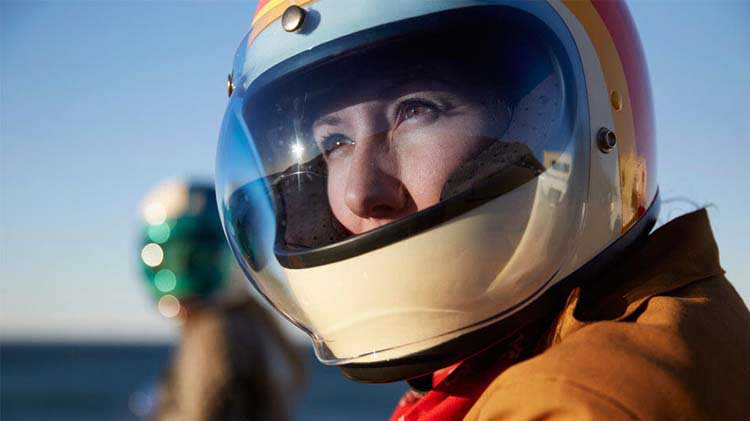
Motorcycle safety tips
Help make the road safer for you and others with these tips to help prevent motorcycle accidents.
Overview: To help prevent motorcycle accidents, perform routine checks before every ride and ensure tires, brakes, lights, signals, mirrors and fluid levels are in good working order. Always wear a DOT-approved helmet and other protective gear, stay visible with bright or reflective clothing and ride defensively, especially at intersections and when you and your motorcycle are in the blind spot of a vehicle. Follow traffic laws, avoid speeding and riding under the influence and consider taking a safety course.
Motorcycles represent about 3% of all registered vehicles, but in 2024 they accounted for 16.2% of all traffic fatalities, according to the National Safety Council. This shows why it’s important to take steps to keep yourself and other riders safe. Here are some motorcycle safety tips consider.
Motorcycle inspection
Consider checking your motorcycle often to confirm lights, signals, mirrors, brakes, oil, fluid and fuel system are working properly. Choosing a bike equipped with an anti-lock braking system (ABS) could help prevent the bike’s wheels from locking up and skidding. Carry a compact tool kit and a tire gauge for emergencies. When carrying cargo, balance and secure it carefully, and adjust your tire pressure and suspension to handle the extra weight.
Licensing, training and safety courses
Consult your state’s DMV to learn what are the licensing requirements for motorcycle drivers. Most states require a motorcycle endorsement on your driver’s license. This often means you will need to take a knowledge and road test, or a rider education course.
New riders should strongly consider taking a motorcycle safety course to learn the basics, and even experienced riders can benefit from refresher classes. The Motorcycle Safety Foundation (MSF) offers classes online and in person.
Motorcycle gear
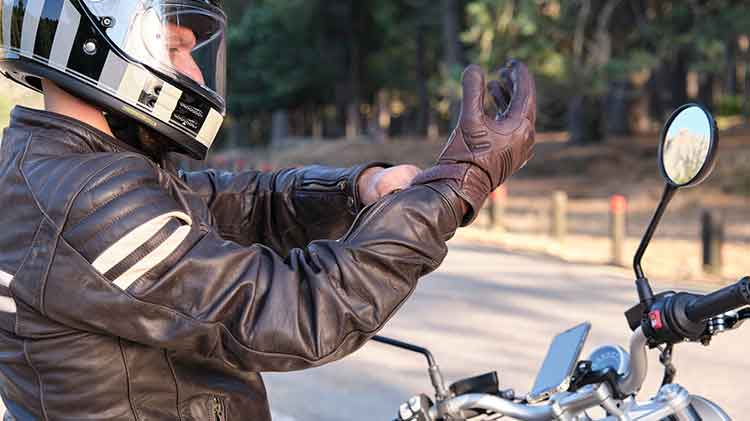
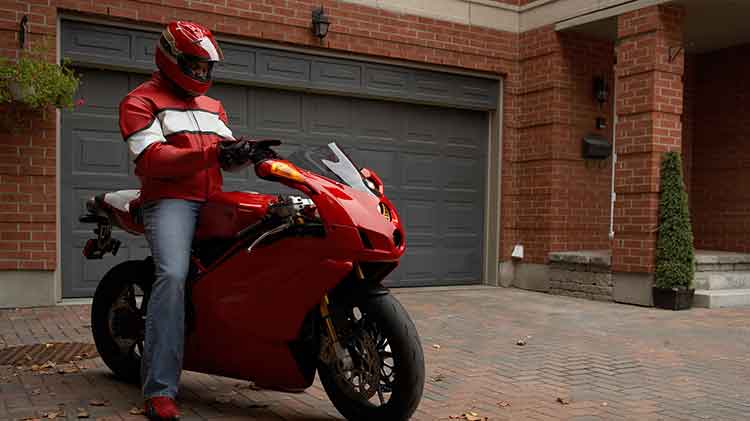
Wearing the right motorcycle gear can protect you in case of an accident. This can include long pants and sleeves made of leather or another protective material, gloves, eye protection and durable boots covering the ankles. When it gets colder, don't forget to add layers or heavier gear designed for those temperatures.
For maximum visibility, wear a white full-face Department of Transportation-approved helmet. Wearing a helmet while riding your motorcycle can help greatly reduce the risk of head injury in the event of an accident. Because your helmet can degrade over time due to usage, try to replace your motorcycle helmet regularly, typically every three to five years, or after an accident. Even though motorcycle helmets may not be mandatory in your state, it is recommended that you always wear a helmet for your protection in the event of an accident.
Motorcycle visibility
Help increase your visibility by trying the following: Wear bright colors, add reflective elements to your clothing, helmet and bike, use your headlight (day or night), ride in the section of lane that makes you most visible to motorists and consider honking if you're not sure a motorist sees you. Consider flashing your brake light when traffic is slowing down so drivers can see you. Also avoid driving on blind spots for other cars, always use turn signals when turning or changing lanes and be extremely aware of all vehicles around you.
Stay alert on the road
Texting motorists are a real danger, so drive defensively and be prepared for sudden lane changes and swerves. Taking an extra look around can sometimes be an important factor in motorcycle accident prevention. Watch for patches of sand or gravel, potholes, railroad tracks, other road hazards and fellow motorcyclists. As you approach parked cars, stay alert for any car doors opening in your path. Have an escape route or path, in the case that a car moves into your lane without seeing you.
Intersections are especially risky for motorcyclists. Many accidents happen when a car turns left in front of an oncoming motorcycle. Stay extra alert in these areas and watch for drivers who might not see you or who may misjudge how fast you are approaching.
Don't drink or speed
Speeding and driving under the influence of alcohol are some of the most common causes of motorcycle accidents in the U.S. Staying sober and observing the speed limit can help you arrive safely at your destination.
Avoid bad weather if possible
Learn how to ride safely in rain, wind, or other weather conditions common in your area. If it’s going to rain and you need to ride, bring rain gear to stay dry and comfortable.
Obey all traffic laws
Follow the rules of the road and obey traffic laws, especially speed limits and the use of turn signals. Try to stay in your lane as opposed to driving on the shoulder or lane-splitting because you’ll be more visible to other drivers in a travel lane. If you're considering riding with a passenger, here are some tips about riding double.
After your ride
Walk around the motorcycle. Look for new fluid spots, loose fasteners or anything out of place. Check the tension of the chain or belt. If you felt brake pulsation, vibration or soft handling, keep track of it.
If something feels off, connect with a qualified mechanic, especially for steering, brakes, tires or electrical systems. Quick attention helps small issues stay small. Simple maintenance notes can reveal patterns and help with warranty claims.
Store your bike in a dry secure place. Use a stable stand and the steering lock. A cover protects from dust and weather. For longer breaks, add fuel stabilizer and keep the battery on a tender. Clean and lubricate to reduce corrosion and get it ready for your next ride.
Motorcycle safety awareness for vehicle drivers
Some accidents with motorcycles might be the non-motorcycle driver's fault. Remember, motorcyclists have the same rights as other drivers. Check your blind spot, signal your intentions and try to avoid driving distractions.
Stay alert for motorcyclists. Respectfully share the road with them by being courteous and using your turn signals when merging into traffic or changing lanes.
When following a motorcycle, travel at a safe distance, it is recommended to be three or four seconds’ distance. Motorcycles can stop quicker than cars, and you need to be ready to stop, too. Do not share your lane with a motorcycle. Even though they are smaller, motorcyclists are entitled to their own lane like all other vehicles.
Watch for motorcycle turn signals and wait until the turn is completed or the rider switches off their signal. Unlike cars, motorcycle signals don't always cancel automatically. Also, watch for sudden moves by motorcyclists due to road hazards, such as dodging potholes or debris.
Be aware of your surroundings. Consider performing a quick check for any approaching motorcyclists when opening a car door to help reduce the risk of accidentally hitting a passing motorcycle.
Frequently asked questions
Q: What time of day tends to be safer to ride?
A: Daylight with good visibility and lighter traffic tends to be safer. Try to avoid rush hour and harsh sun glare at sunrise and sunset.
Q: Is lane splitting allowed?
A: Laws differ by state. Where it’s allowed, riders keep speed differences low and watch driver behavior closely. It is important to note that even if it is allowed in your state, lane splitting increases the risk of an accident, so consider carefully if you wish to engage in this behavior.
Q: Do short trips need full gear?
A: Yes. Many incidents happen near home, so it is important to wear full protective gear no matter how far you are riding.
Smart gear and steady habits go a long way. The right motorcycle insurance coverage for you helps too. A local State Farm agent can walk through coverage options, from liability to comprehensive and equipment, so you know what’s covered and what gaps could add out-of-pocket costs after a claim. If you’ve only compared upfront price, it can help to see how deductibles, limits and add-ons affect your budget.
Motorcycle safety is a shared effort. Whether you’re learning how to ride a motorcycle or refining decades of experience, these motorcycle riding safety tips create a stronger baseline. Share them with friends and family and keep an eye out for motorcycle safety tips for car drivers. Small choices add up to more good rides.
This content was developed with the help of AI and reviewed by State Farm editors.
The information in this article was obtained from various sources not associated with State Farm® (including State Farm Mutual Automobile Insurance Company and its subsidiaries and affiliates). While we believe it to be reliable and accurate, we do not warrant the accuracy or reliability of the information. State Farm is not responsible for, and does not endorse or approve, either implicitly or explicitly, the content of any third-party sites that might be hyperlinked from this page. The information is not intended to replace manuals, instructions or information provided by a manufacturer or the advice of a qualified professional, or to affect coverage under any applicable insurance policy. These suggestions are not a complete list of every loss control measure. State Farm makes no guarantees of results from use of this information.
State Farm Mutual Automobile Insurance Company
State Farm Indemnity Company
Bloomington, IL
State Farm County Mutual Insurance Company of Texas
Richardson, TX