Teaching your kids emergency preparedness
Teach kids what to do in a weather emergency and learn some helpful emergency preparedness tips for your family.
Overview: Teaching emergency preparedness for kids is important when keeping your family safe during disasters. Consider starting by explaining different severe weather conditions like tornadoes, hurricanes or floods. Make learning fun by creating a family emergency plan together and see that everyone knows what to do if you need to leave your home or stay inside. Show your kids where the emergency supplies are kept and explain how to contact emergency services. Practice the plan together so everyone feels confident. Talk to your kids about how to stay safe after a disaster.
Why emergency preparedness matters for kids
When disaster strikes, time could be of the essence. Having a well-crafted emergency plan can make a big difference, especially when it comes to the safety of children. Teaching kids to be prepared for emergencies may help them to act swiftly in a crisis.
Create a family emergency plan with your kids
Take time with your family to discuss and create an emergency preparedness plan to help stay safe when severe weather strikes.
- Run through the basics. Kids should know how to call 911, identify themselves and their location, reach emergency contacts and get to predetermined safe locations. Discuss who to contact in case of an emergency.
- Prepare for a power outage. Discuss what to do during a power outage, such as electrical and food safety.
- Practice your emergency plan. Include two evacuation routes, a safe room and two different meet-up locations inside and outside. When creating your escape plan, you may also to see that your kids understand and can run through the plan calmly.
- Create an emergency kit. Include a three-day supply of water, nonperishable food, flashlights, blankets and kid-friendly activities in your kit.
When developing your plan, consider other locations that your child may be when disaster strikes, such as schools or daycares. Consider those locations’ emergency plans when creating your own.
Teach your kids about natural disasters
Review the different natural disasters with your children and explain what they are. Go through specific scenarios that may occur and when to seek shelter for each one and prioritize disasters that are common where you live. Here are a few tips to get you started:
- Tornado — if you are in the path of a tornado, go into a tornado-safe place. This is typically the lowest level of a building. Try to stay away from windows, doors and outside walls. If you are outside without nearby shelter, lie down in a low-lying area and protect your head.
- Severe thunderstorm — if you have advanced notice that a severe storm is heading your way, there are ways to be more prepared. If a storm is sudden, go indoors if you see lightning or hear thunder. Don't use items that plug into electrical outlets and avoid using running water, as faucets can conduct electricity. Keep in mind these storms tend to be more frequent in the spring.
- Earthquake — practice the “Drop, Cover, and Hold On” method if an earthquake happens, and learn to recognize safe places in each room at home and at school.
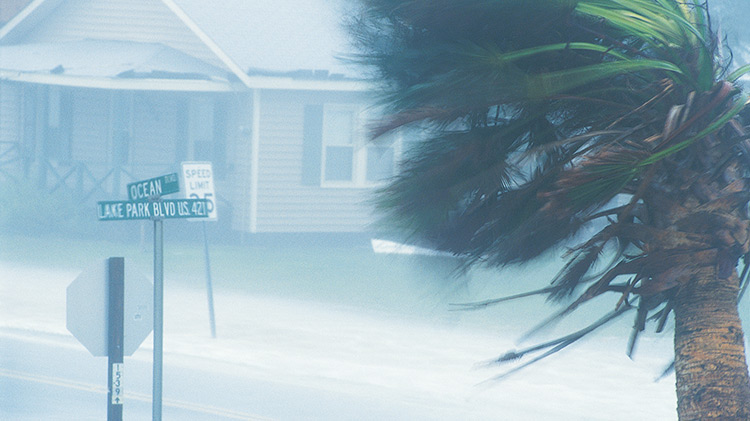
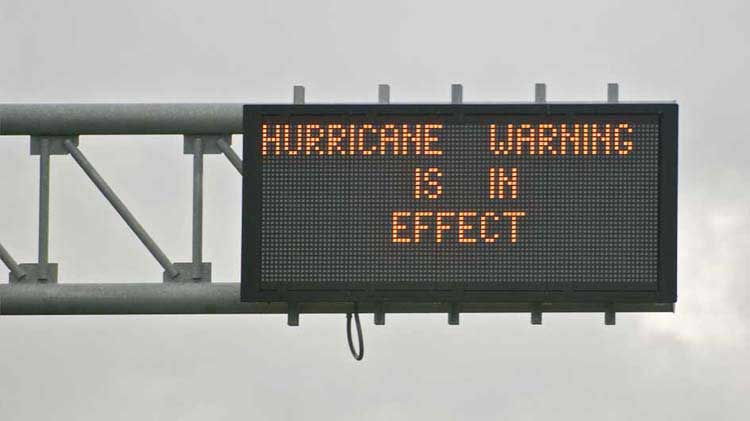
- Hurricane — when you know a hurricane is coming, prepare your home for the possibility of impact. During the storm, stay away from glass windows and doors, and be ready to follow hurricane evacuation instructions from emergency officials if necessary.
- Flooding — floods can be caused by a wide variety of disasters. Don't go into flooded areas. Just six inches of moving water can knock you off your feet, and standing floodwater could be contaminated or contain sharp objects.
Talk about what to do after the emergency
Teaching kids about emergencies includes knowing how to react after a disaster or situation.
- Express emotions — Let children know it's okay to ask questions or talk about what happened to help them understand. Be mindful of your reactions, as children often mirror them.
- Stick to a routine — Maintaining routines like bedtimes, activities, chores and family time provides stability and familiarity.
- Adapt to change — When sticking to a routine isn’t possible, explain any necessary deviations from the routine clearly and keep your children updated. This may allow them to adjust better and be prepared for future changes.
- Avoid turning on the TV — Media coverage of the disaster can upset children and may cause them to relive the experience.
- Consider professional help. If your child shows consistent signs of mental distress, consider consulting a professional psychiatrist. The National Institute of Mental Health has resources that could help.
Spending time on disaster preparedness for kids may help them feel more ready and safer when severe weather is expected. Check out a collection of articles that include other tips for keeping children safe.
The information in this article was obtained from various sources not associated with State Farm® (including State Farm Mutual Automobile Insurance Company and its subsidiaries and affiliates). While we believe it to be reliable and accurate, we do not warrant the accuracy or reliability of the information. State Farm is not responsible for, and does not endorse or approve, either implicitly or explicitly, the content of any third party sites that might be hyperlinked from this page. The information is not intended to replace manuals, instructions or information provided by a manufacturer or the advice of a qualified professional, or to affect coverage under any applicable insurance policy. These suggestions are not a complete list of every loss control measure. State Farm makes no guarantees of results from use of this information.