Putting kitchen safety first
Consider these safety tips to protect yourself and your family from cuts, burns, slips and fires when cooking.
Overview: Cooking brings families together, but kitchens can also be risky places. With sharp knives, hot surfaces and busy activity, a simple mistake can lead to an injury. Most kitchen safety tips are straightforward and easy to follow, so everyone can enjoy cooking with confidence. By following these tips and staying alert, you may prevent injuries and enjoy your kitchen as the heart of your home.
Working in the kitchen can be dangerous. According to CopperSmith, around 200,000 cooking-related injuries land Americans in the emergency room every year. Not only are there often sharp and hot tools in the kitchen, but cooking can also involve juggling several tasks at once and working around others.
However, keeping your kitchen safe and your family free of cuts and burns isn't usually difficult, and most kitchen safety rules are simple and easy to follow.
Get a homeowners insurance quote
Want to protect your home?
Knife safety
Knives are common and important kitchen utensils that many people use every day. However, they are often sharp and dangerous, requiring you to be extra careful. Some safety tips for knives include:
- Keep your knives sharp. A dull knife is much more likely to slip or slide off food and catch your fingers than a sharp knife.
- Cut away from your body. Aim the knife away from your body in case it slips or slides through whatever you're cutting, and curl your fingers inward while holding items so your knife will nick a knuckle or fingernail if it does slip.
- Use a secure cutting board. Check that your cutting surface doesn’t slide. Never use your hand as a cutting board or cut food over the sink.
- Refrain from licking your knives. You shouldn’t lick food off a knife. Even a butter knife can cut your tongue.
- Let the knife fall. Avoid trying to catch a falling knife. Letting it hit the floor and washing it off is a lot easier than dealing with a nasty cut. Remember to pick a knife up by the handle, not the blade.
- Wash knives in plain view. Don't toss dirty knives into a sink full of soapy water. You or someone else could reach in and get cut.
- Use a knife block. When knives aren’t being used, don’t set them down unattended. Keep knives in a knife block or knife holder.
- Keep knives pointed downward. When holding a knife and moving through the kitchen, keep the knife pointed downward toward the floor. This reduces the risk of accidental cuts or stabs while moving through the kitchen, especially with other people present.
- Store dangerous utensils separately. Keep sharp utensils or appliances like pizza cutters or blenders out of reach of children. Consider storing those items in a cabinet or cupboard that can be locked when not in use. Organizing your kitchen this way may help reduce the risk of mix-ups and accidents for you and your family.
Safety tips for stove top use
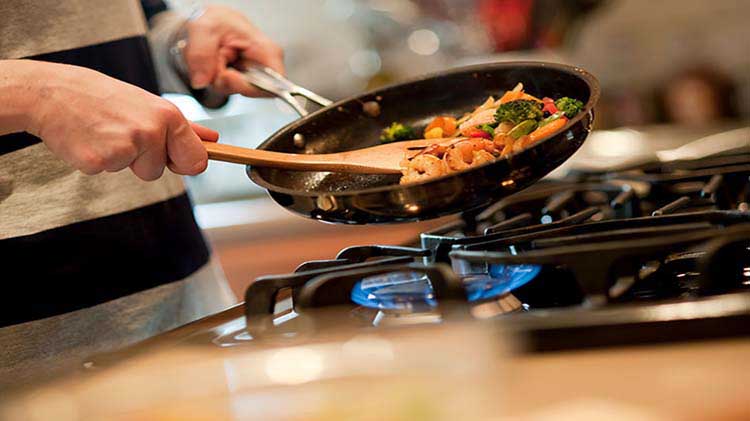
Stove top safety is vital in every kitchen. By following these simple cooking safety tips, you may be able to reduce the risk of accidents and stay worry-free while working:
- Avoid wearing loose clothing. Wear long sleeves to prevent grease burns, but don't let your sleeves, coats, scarves, jewelry or even hair hang loose where it could catch on fire or hook a handle and tip over a hot pan.
- Turn handles inwards. Prevent accidents by turning pot and pan handles inward, toward the stove. This will help avoid spills and burns.
- Lift lids away from you. When taking the lid off a hot pot, tilt it so any hot steam or spraying liquids are aimed away from you. Also, be careful around steam. Not only can it burn you just as badly as a flame, but it's often invisible. Just because you don't see a white cloud of steam doesn't mean you can't still get burned.
- Avoid putting hot liquids in the blender. This can damage your appliance and the heat can loosen the lid leading to a potential mess and/or injury.
- Keep your oven mitts dry. A wet or damp hot pad or oven mitt becomes ineffective, transferring a lot more burning heat to your hand than a dry one.
- Mark hot lids and handles. Leave a hot pad on the lid or handle of pots and pans that just came off the stove so that no one accidentally gets burned.
Treating burns
If you or someone in the kitchen suffers a burn, assess the severity. Minor burns are recommended to be treated by running cool water or placing a cold compress over the affected area until the pain decreases. For more severe burns, such as charred skin or burns that are skin-deep, seek professional medical attention. Until medical assistance can be provided, keep the burn covered with a clean cloth or bandage.
Fire safety tips
By following these simple fire safety tips, you can help protect your kitchen and your family from the risk of fire:
- Check appliances. Keep appliances, stove tops and ovens clean and in working condition, free of accumulated food, dust or grease. Follow all manufacturer's guidelines for kitchen equipment and appliances maintenance.
- Store flammables. Never leave or store rags, towels or paper items near the stove or other heat-generating surfaces.
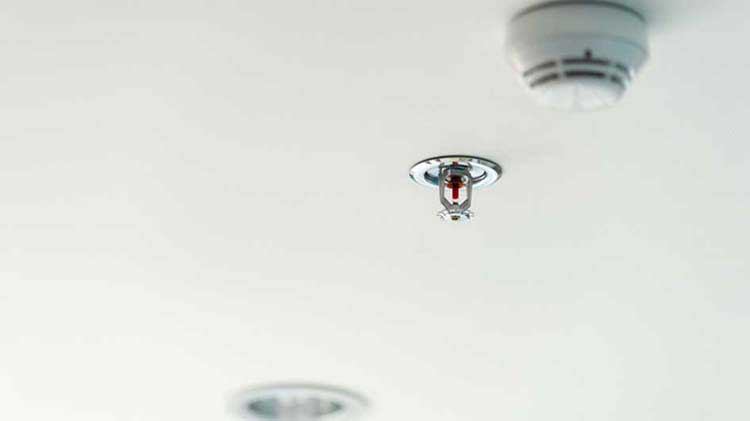
- Have fire extinguishers. Keep a fire extinguisher at hand, as well as a box of baking soda for grease or oil fires.
- Attend to items. Always attend to an open flame or active heat source in the kitchen. Don't walk out of the kitchen or leave heating pots and pans unwatched. If a fire breaks out, immediately turn off the heat source if possible.
- Secure and inspect cords. Confirm appliance cords aren't frayed or melted by inspecting them regularly. Don't overload kitchen outlets with too many plugs and keep electrical appliances away from water.
Additional kitchen safety tips
By staying aware and considering these simple cooking safety tips, you may help reduce the risk of accidents:
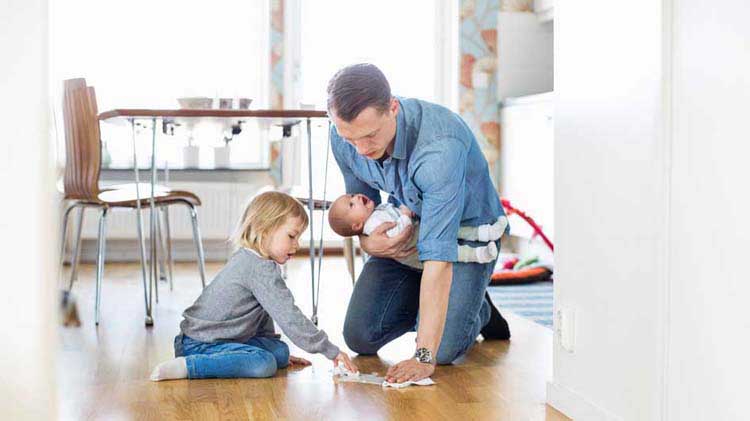
- Clean up spills immediately. Floor spills can lead to slips and falls, especially on tile floors. Spills on countertops can create electrical hazards, make cutting less safe and cause pots or pans to slide off, spill or scald.
- Avoid using metal spoons or cutlery on non-stick pans. The hard metal can erode or chip away at the chemical coating of the pan, allowing toxic chemicals to get on food prepared in the pan.
- Use separate boards for meat and vegetables. This will reduce the chance of cross-contamination.
- Wear shoes in the kitchen. Whether you’re cooking or not, wearing shoes will add a layer of protection for you in case any sharp kitchen tools or hot food falls to the ground near you.
- Wash your hands frequently. This will help reduce the risk of transferring harmful bacteria to yourself or your food.
- Avoid placing hot glass on cold surfaces. The contrast in temperatures can cause glass to shatter, leading to hazardous broken glass shards and spillage.
Cooking is fun and can be safe when everyone in your home considers a few simple safety habits. With sharp knives, hot surfaces and busy activities, it’s important to have a sanitary, safe and organized kitchen. Your kitchen can remain a safe and enjoyable space for everyone to cook, share meals and make memories together.
You can get a homeowners insurance quote now, or give us a few details and a State Farm® agent will reach out to you.