EV home charging and homeowners insurance: What to know
Discover how a home charger fits into your homeowners, renters or condo policy, what risks to be aware of and the steps that may help your coverage align with your setup.
Overview: Thinking about charging your EV at home? This guide breaks down how a charger can interact with your homeowners, renters or condo policy, from installation basics to potential risks like fire, surge, water, trip hazards and theft. You’ll see what level 1 vs level 2 means for coverage, why permits and a licensed electrician matter and how placement and cord management may help reduce issues. It also outlines where coverage might apply (dwelling, other structures, personal property or auto), when an endorsement could help and the key questions to consider asking both your property and auto insurers.
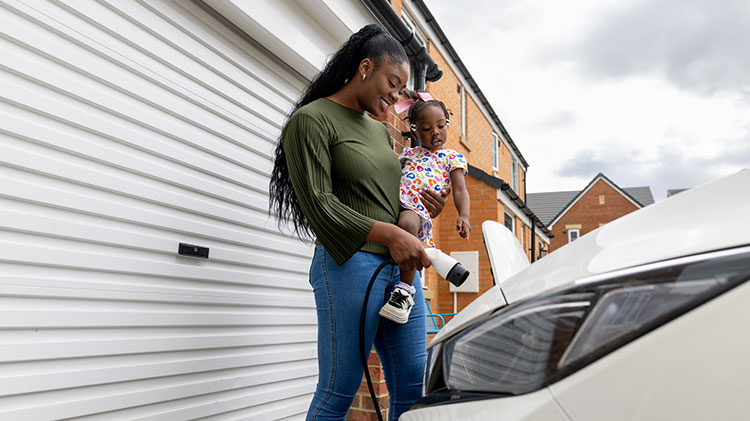
Home charging can be a highlight to owning an electric vehicle (EV); it’s simple and it happens while you’re doing life. But bringing a charger into your garage or carport also connects your car to your home in a new way, potentially changing your homeowners (HO) insurance needs.
Here’s some neighborly tips to EV home charging and home insurance, and what you might consider.
Does owning an EV affect homeowners insurance rates?
Simply owning an EV by itself usually won’t change your homeowners, renters or condo insurance premiums because the car falls under your auto insurance policy. But the home charger is where property and liability considerations may show up. This is because home charging may introduce risks your property or liability insurance may need to handle.
Potential risks of EV home charging
Here are some common hazards to consider and what they may mean for your home and charger.
Home charger installation considerations and requirements
From permits and panel capacity to pro installation and placement, here are some key things to sort out before you plug in at home.
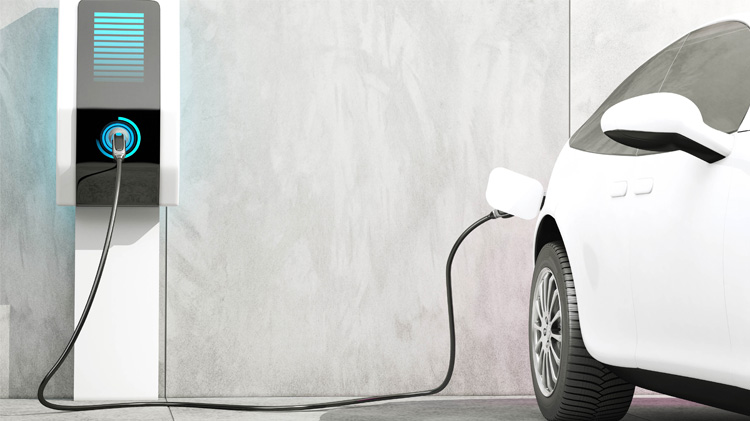
- Level 1 vs level 2 chargers — a level 1 charger uses a standard 120-volt outlet; it’s basically a cord set that often counts as personal property you can store or move. A level 2 charger uses a 240-volt circuit that can involve a dedicated breaker, hardwiring or a wall-mounted unit. Because it’s attached to the structure, your policy may view it differently than a portable cord.
- Safety first — a safe installation can help protect your home. It’s recommended that you hire a qualified, licensed electrician, particularly for level 2 units as they often require a dedicated circuit and higher amperage.
- Pull permits when required — in many areas, local rules require permits, especially for level 2 chargers. Skipping this important step could create problems with an insurance claim if something should happen later.
- Consider placement — keep cords away from walkways, mount the unit at a safe height and choose weather-rated equipment for outdoor setups.
- Note for renters — if you’re a renter, confirm permission with your landlord and review your lease to understand modification rules and liability for repairs.
Are EV chargers covered by home insurance?
It’s an important question, and the answer can depend on your insurer and policy details. A permanently installed charger isn’t guaranteed under a standard policy. Here are some ways coverage may apply:
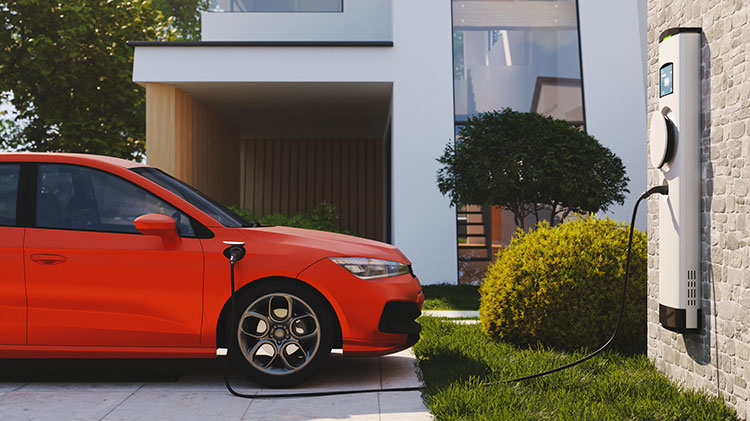
- Homeowners policy — a wall-mounted or hardwired unit could be treated like part of the “dwelling,” and a detached or mobile charger may be considered a “motor vehicle part.” Coverage hinges on your policy language, limits and perils. Check that your limits cover replacement and installation.
- Renters or condo policy — these policies typically focus on personal property and liability, not the building, so installed chargers may require an add-on or landlord approval.
- Auto policy — some insurers offer an endorsement that can extend to home charging equipment or damage tied to the vehicle. It’s worth asking if your EV or hybrid auto insurance can add clarity here.
- Specific endorsement — some insurers may have one that you may add to your home, renters, condo or auto policy to help clarify electric vehicle supply equipment (EVSE) protection for theft and damage.
Most importantly, do not assume coverage. Coverage may differ between insurers, so contact your property and auto insurance providers to confirm the types of coverage they offer and determine which ones may fit your needs.
Coverage questions for your insurer
A quick call can go a long way. Consider asking:
- Are EV chargers covered by home insurance if the unit is permanently attached to my garage wall? If so, is it considered part of the dwelling or another structure?
- If my level 2 unit is on a post by the driveway, which coverage bucket applies and what limits are in place?
- Does my policy cover power surge damage to the charger or related wiring?
- Does car insurance cover electrical fires if an incident starts at the vehicle while charging at home? Or would homeowners insurance electric vehicle scenarios apply because the home is involved?
- If someone trips over my charging cable on my property, how does car charger liability insurance work under my homeowners liability? Is an umbrella policy worth considering for charger liability insurance risks?
- Would an endorsement help clarify coverage for the charger, installation or theft?
- If my charger is stolen or vandalized, what deductible and limits would apply?
- For renters or condo owners, how would the charger be handled compared to the building?
Liability basics that shouldn’t be skipped
Your property policy usually includes personal liability coverage. This may help if a guest is injured and you’re found responsible, like if someone were to trip over your charging cable while crossing your walkway. You may be able to help manage risk by:
- Using a cable management hook or reel
- Keeping cords visible with cable covers
- Posting a simple sign in shared spaces for multi-family garages
- Periodically checking your limits to see if they fit your needs and risk comfort
Additionally, there are some habits that can make a difference:
- Keep receipts and photos of your charger, permits and panel upgrades. Documentation helps if you have a claim.
- Use surge protection as recommended by your electrician.
- Follow manufacturer maintenance tips, especially for outdoor units.
- If you move, ask whether your portable gear is covered in transit and at the next home.
EV owner to-dos
To sum up, following are some key tips EV owners might consider taking to prepare for installing a home charger:
Simply owning an EV usually doesn’t impact your home, renters or condo coverage, but having equipment to charge your vehicle at home brings new considerations. As a next step, consider arranging a safe, professional install and confirming charger coverage with your property and auto insurers. Doing so can help ensure your protection fits your needs.
To discuss how home charging may affect your specific policy, connect with a State Farm agent today.
The information in this article was obtained from various sources not associated with State Farm® (including State Farm Mutual Automobile Insurance Company and its subsidiaries and affiliates). While we believe it to be reliable and accurate, we do not warrant the accuracy or reliability of the information. State Farm is not responsible for, and does not endorse or approve, either implicitly or explicitly, the content of any third party sites that might be hyperlinked from this page. The information is not intended to replace manuals, instructions or information provided by a manufacturer or the advice of a qualified professional, or to affect coverage under any applicable insurance policy. These suggestions are not a complete list of every loss control measure. State Farm makes no guarantees of results from use of this information.
State Farm Mutual Automobile Insurance Company
State Farm Fire and Casualty Company
State Farm General Insurance Company
State Farm Indemnity Company
Bloomington, IL
State Farm County Mutual Insurance Company of Texas
State Farm Lloyds
Richardson, TX
State Farm Florida Insurance Company
Orlando, FL