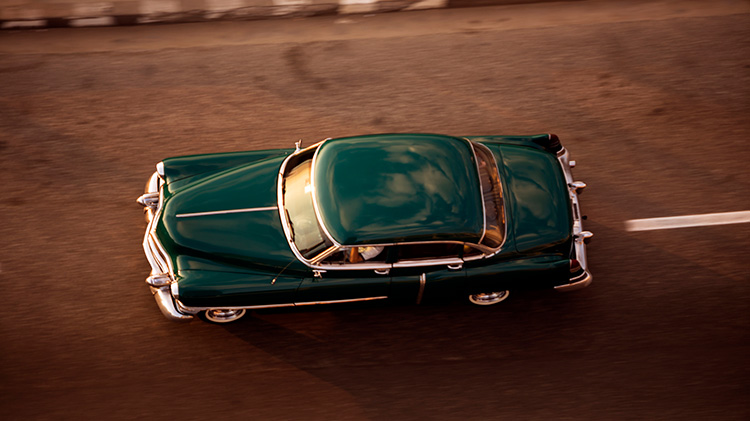
Classic car insurance coverage options explained
Owning a classic car may require specialized insurance that differs from standard insurance policies.
Overview: Unlike modern cars that typically lose value over time, classic cars often hold their value or even appreciate, making specialized insurance important for helping protect your classic car. Qualifications for classic car insurance generally include factors such as the age of the vehicle and usage. Agreed Value coverage is particularly important for these vehicles, as it provides coverage based on their agreed value. Additional specialized coverage options may include protection for spare parts, restoration, specialized roadside assistance and more.
Owning a piece of automotive history can be a truly exceptional experience, especially one that deserves exceptional protection. For your classic car, standard insurance may not be the right fit for you. That’s because standard insurance typically pays out on a car’s current market value based on its age and condition (referred to as Actual Cash Value or ACV). Many modern and new cars lose value over time, but classic cars often hold their value or appreciate. Considering classic auto insurance for classic cars is important because it’s designed specifically for the value of these unique vehicles.
Still shopping for your dream classic car? Our buyer’s guide provides tips on what to consider before you pull out your wallet.
Do you qualify for classic car insurance?
The term “classic car” has no uniform definition, according to the Insurance Information Institute (III), but many types of collector vehicles (usually aged 25 years and older) are eligible for classic car insurance, including classic trucks, military vehicles, kit cars, exotic cars, street rods and antique vehicles.
Classic auto insurance is only available for vehicles that meet specific criteria because it offers specialized coverage for cars that are not used as everyday transportation. The following eligibility criteria helps ensure policies are reserved for genuine collector vehicles that present lower risks than regular, daily drivers.
Driver(s)
Some insurers require the insured to be at least 25 years old with a good driving record (few or no recent violations/accidents).
Vehicle use
Primarily for pleasure driving, car shows, club events and occasional use rather than for daily commuting, regular errands or business use.
Vehicle storage
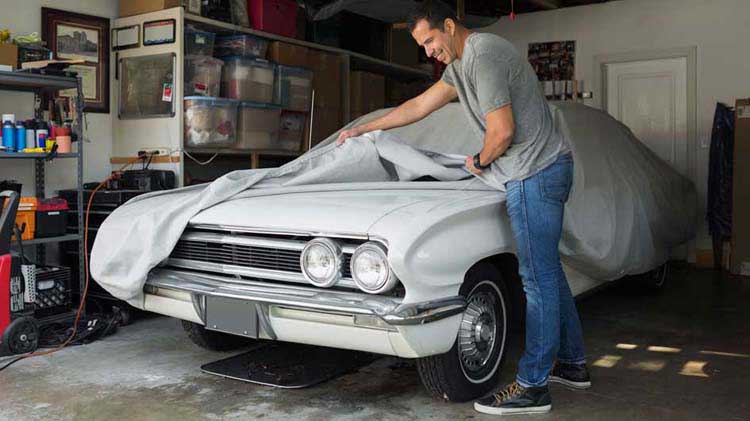
Some insurers require storage to be in a locked, fully enclosed and secure structure such as a private garage or storage unit rather than under a carport or in a driveway.
Other vehicle requirements
Policyholder typically owns and insures a separate vehicle for regular or daily transportation needs.
*Criteria vary significantly by insurer. Always confirm specific eligibility requirements.
If the above criteria don’t match your situation (for example, if you intend to use your classic car as a daily driver), standard car insurance might be a better option.
Understanding classic car coverage options
Classic car insurance may provide specialized coverage designed for collectible vehicles. It includes standard protections found in regular auto insurance (such as liability coverage for injuries or property damage you may cause) while also offering additional features to help fit the unique needs of classic car owners.
A key feature: Agreed Value coverage
Agreed Value coverage is a distinct feature of a classic auto insurance policy. With it, you and your insurer determine your vehicle’s value ahead of time, and if your car is stolen or totaled, you may receive that agreed-upon amount (minus any deductible). The agreed-upon amount remains fixed, no matter how the market fluctuates.
For example, if you and your insurer agree that your classic car is worth $40,000, and it’s stolen or destroyed in a covered event, the policy payout would be $40,000 (minus any deductible).
Be cautious of policies that use the term “Stated Value.” While seemingly similar to Agreed Value, with Stated Value policies, you alone declare the value of the vehicle. In the event of a total loss, the insurer either pays the Stated Value or the Actual Cash Value (market value minus depreciation), whichever is less, and after subtracting your deductible. This lack of clarity may leave you underinsured compared to an Agreed Value policy. Choosing genuine Agreed Value coverage may give you more certainty.
Other specialized classic car coverage options
Familiarizing yourself with the following specialized options can help ensure you get the right coverage for your unique and valuable classic car. Not all classic car insurance policies and coverages are the same. Here are some coverage options to discuss when getting classic car insurance.
Spare parts coverage
Helps pay to replace covered spare parts kept specifically for the vehicle if they are lost, stolen or damaged.
Restoration coverage
Helps protect the increasing value of the vehicle while it's undergoing active restoration.
Specialized roadside assistance
Some policies may include provisions such as guaranteed flatbed towing to help prevent damage during transport. If they don’t, you may want to consider additional offerings.
Automobilia coverage
May offer optional protection for related collectibles like vintage signs, manuals or tools associated with the car.
OEM/specialty parts coverage
May help cover the higher cost of using original equipment manufacturer (OEM) or hard-to-find parts for repairs.
Car show protection/attendance
May offer specific coverages related to attending events, such as covering medical payments if someone is injured near your display.
Cherished salvage/right to keep
May allow you to receive the full agreed value when keeping a salvaged vehicle after a total loss.
Additional required coverage
Many classic car insurance policies require both comprehensive coverage, which helps protect against non-collision risks like theft, fire and storm damage, and collision coverage, which helps cover damage from accidents. Together, these coverages help safeguard your valuable vehicle from a wide range of potential threats.
Help protect your classic car’s future
Insuring your classic car isn’t just about meeting legal requirements — it’s about helping to preserve a valuable piece of automotive history. Classic car insurance offers specialized features, such as Agreed Value coverage and a range of options, that generally go beyond what standard auto insurance may provide.
By understanding the eligibility requirements and coverage choices available in your state, you may more confidently select a policy that helps safeguard your classic car. Whether you’re hitting the road for a show or storing your prized vehicle in the garage, the right classic car insurance for you can help ensure your vintage vehicle is protected for years to come.
For more information on classic car insurance coverage, contact a State Farm agent today or explore options online.
The information in this article was obtained from various sources not associated with State Farm® (including State Farm Mutual Automobile Insurance Company and its subsidiaries and affiliates). While we believe it to be reliable and accurate, we do not warrant the accuracy or reliability of the information. State Farm is not responsible for, and does not endorse or approve, either implicitly or explicitly, the content of any third-party sites that might be hyperlinked from this page. The information is not intended to replace manuals, instructions or information provided by a manufacturer or the advice of a qualified professional, or to affect coverage under any applicable insurance policy. These suggestions are not a complete list of every loss control measure. State Farm makes no guarantees of results from use of this information.
State Farm Classic Insurance Company
State Farm Mutual Automobile Insurance Company
State Farm Indemnity Company
Bloomington, IL
State Farm County Mutual Insurance Company of Texas
Richardson, TX