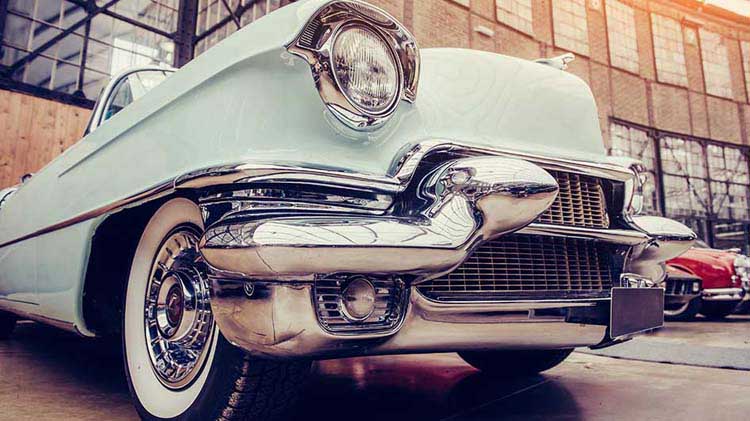
Tips for buying a classic car: Buyer’s guide and checklist
To buy a classic car, plan your budget, then inspect the car carefully. Check the title and VIN match, look for rust and major repair signs, review interior and parts originality and do a safe, legal test drive if possible. Next, research the car’s value and history, and arrange classic car insurance by confirming eligibility, what paperwork you need and how the policy handles value since rules can vary by policy and state.
Buying a classic car can be exciting. It can also be expensive to purchase, restore and maintain. If you want to know how to buy a classic car, this guide helps cover what to know, what to look for, the steps to take and the basics of classic car insurance so you can plan ahead.
How to buy a classic car
Buying a classic car is often different from buying a regular used car. Classic cars can cost more upfront and restoration can add major expenses later.
Start with these first steps:
- Pick what you want to do with the car. Weekend drives, shows or a project you restore over time can lead you to different choices.
- Set a realistic budget that includes repairs and restoration costs.
- Research fair market value for the exact make model year and condition you are considering.
- Plan how you will handle inspection. If you cannot inspect in person, use an inspection service when possible.
- Arrange insurance before you take the car home, so the timing works with your policy needs.
What to know before buying a classic car
Before you commit, learn how value works and how to avoid common buying mistakes.
What to know:
- Market value can depend on rarity demand and condition. “Book value” is not always what you will pay.
- Classic cars vary in originality. The more original the car is, the more documentation can matter.
- Restoration quality matters. Two cars that look similar can have very different repair histories.
- Paperwork matters. Title status and vehicle history can affect your ability to register and insure the car.
What to look for when buying a classic car
Use a classic car inspection checklist mindset. Photos and small talk can hide problems that show up during a close inspection and a careful test drive.
Title and vehicle paperwork
Title details are correct, and the seller can transfer ownership
Paperwork issues can slow down ownership and insurance setup
VIN match
VIN on the title matches the VIN tag on the car
VIN mismatches can signal history or ownership problems
Rust and body condition
Floor areas, body panels and prior repair areas
Serious rust or poor prior repairs often come back and add major costs
Interior originality
Seats, upholstery, dashboard, radio, badges and emblems
Original parts often affect value and restoration plans
Exterior and paint
Paint condition, panel alignment and evidence of major welding
Structural repairs can be expensive and harder to verify later
Test drive basics
Braking, steering and noises over bumps
Helps spot mechanical issues before you buy
Parts and modifications
What is original, restored or aftermarket, and whether there is documentation
Modifications can affect repair costs and later insurance value needs
After you check these items, write down your questions and any concerns so you can ask them while the seller is still available.
What steps to take when buying a classic car
Once you find a car you like, consider following a clear process.
Steps to take:
- Confirm the basics first. Check the title and VIN match and look for clear signs of rust and major repairs.
- Inspect in person when possible. If the car is safe and legal to drive, do a test drive and listen for unusual noises. If you cannot inspect in person, arrange an inspection service when possible.
- Ask about parts and history. Ask what parts are original, restored or aftermarket and request any receipts, work orders or documentation you can get.
- Review value before you negotiate. Use recent sales and valuation sources to guide your offer.
- Plan final paperwork and coverage timing. If you need coverage before you take possession, contact your agent ahead of pickup so there is no gap in protection.
Classic car insurance tips for buyers
Classic car insurance can work differently from standard auto insurance. Coverage terms and value methods can vary by policy and state, so it helps to confirm details with your agent.
What to ask about:
- Whether the policy uses a stated or agreed value approach versus other value methods.
- What documentation is needed to support value and condition such as photos, receipts, appraisals or modification notes.
- Eligibility and usage requirements such as storage and how often you plan to drive.
Frequently asked questions
- Q: What should I do first when buying a classic car?
A: Start by confirming title and VIN match, then do an in-person inspection for rust, originality and overall condition. - Q: What should I check first when buying a classic car?
A: Check rust and structural condition, then look at interior originality and finish quality. Use a classic car inspection checklist to stay organized. - Q: Do I need a classic car inspection before I buy?
A: An inspection can reduce surprises, especially for private sales, out-of-town purchases or cars with unclear repair history. - Q: What steps should I take when buying a classic car?
A: Plan your inspection, decide your value range, negotiate and then finalize paperwork while also arranging insurance timing before you drive the car home. - Q: Where do I find classic cars to buy?
A: You can often find classic cars through private sellers, classic car dealers and auctions. If you cannot inspect the car in person, look for listings that provide clear documentation and consider using an inspection service. - Q: How do I research a classic car’s history?
A: Start with the VIN and any title or registration information. Then ask for service and restoration records and check for evidence of major repairs. Car clubs and other knowledgeable sources can sometimes help you verify details about certain models. - Q: What paperwork do I need to finalize a classic car purchase?
A: You typically need title transfer documents and a completed purchase agreement. If you are registering the car, you may also need any required statements and forms for your state. When possible, confirm what your state requires before you complete the sale. - Q: How does classic car insurance work?
A: Classic car coverage can vary by policy. Ask how value is handled and what documentation supports the coverage amount. - Q: Can I get classic car insurance before I drive the car home?
A: In many cases, you can arrange coverage ahead of taking possession. Confirm timing with your agent so there is coverage when you need it.
You can get an auto insurance quote now, or give us a few details and a State Farm® agent will reach out to you.
This content was developed with the help of AI and reviewed by State Farm editors.
The information in this article was obtained from various sources not associated with State Farm® (including State Farm Mutual Automobile Insurance Company and its subsidiaries and affiliates). While we believe it to be reliable and accurate, we do not warrant the accuracy or reliability of the information. State Farm is not responsible for, and does not endorse or approve, either implicitly or explicitly, the content of any third-party sites that might be hyperlinked from this page. The information is not intended to replace manuals, instructions or information provided by a manufacturer or the advice of a qualified professional, or to affect coverage under any applicable insurance policy. These suggestions are not a complete list of every loss control measure. State Farm makes no guarantees of results from use of this information.
State Farm Classic Insurance Company
State Farm Mutual Automobile Insurance Company
State Farm Indemnity Company
Bloomington, IL
State Farm County Mutual Insurance Company of Texas
Richardson, TX