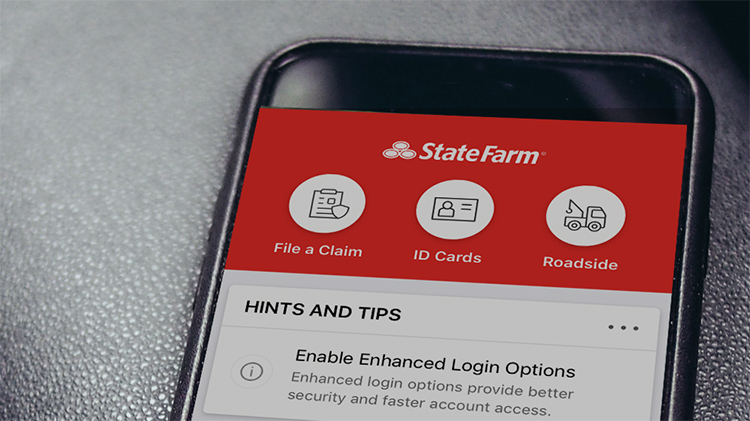
How to switch car insurance: A step-by-step guide
Thinking about switching car insurance? You're not alone. Many drivers shop around when life changes, their driving habits change or they want to take a fresh look at their coverage.
The process can be simpler than many people expect. With a little planning, you can compare options, understand your coverage and make a confident decision about what works best for you.
Quick checklist for switching car insurance
If you're looking for a short answer, here's a quick look at the process:
✓ Review your current coverage
✓ Gather vehicle, driver and policy information
✓ Compare quotes using similar limits and deductibles
✓ Research the insurance company you're considering
✓ Purchase the new policy before canceling the old one
✓ Confirm your new policy's effective date
✓ Update lender or leasing company information if needed
✓ Cancel your old policy and request confirmation
✓ Replace your proof of insurance documents
Below, we'll walk through each step and show how the process may look if you're considering State Farm.
Why people switch car insurance
There isn't one reason people switch car insurance. For many drivers, it's part of keeping car insurance coverage aligned with their current stage of life. But, it’s also potentially a way to save money. For example, drivers who switch to State Farm save an average of $740footnote 1.
Common reasons include:
- Buying or selling a vehicle
- Moving to a new home or apartment
- Getting married
- Adding a driver to the household
- Looking to save money
- Driving more or less than before
- Reviewing coverage at renewal
- Looking for a different customer experience
Even if nothing major has changed, a yearly policy review can help you understand how your coverage fits your current needs.
How to switch car insurance
Step 1: Review your current coverage
Start by looking at what your current policy includes. This can provide a helpful baseline when comparing quotes. Pay attention to:
- Liability limits
- Collision and comprehensive coverage
- Deductibles
- Uninsured and underinsured motorist coverage, where available
- Medical Payments or Personal Injury Protection (PIP), depending on your state
- Optional coverages such as roadside assistance or rental reimbursement
Having a copy of your declarations page nearby may make this step easier.
Why this matters: A lower premium doesn't always mean the coverage is the same. Looking at limits, deductibles and optional coverages side by side can help you better understand what you're getting for the price.
Step 2: Gather your information
Having your information ready can help make the quote process faster and easier. You may need:
- Your current declarations page
- Vehicle information, including VIN and mileage
- Driver information for everyone on the policy
- Lienholder or leasing company information, if applicable
Using the same information across multiple quotes can help create a more accurate comparison.
Tip: If one quote comes in much lower than another, take a closer look at the details. Differences in deductibles, coverage limits, drivers, and optional coverages may affect how the policy meets your needs. A State Farm agent can also help answer questions and explain coverage choices so you can compare with confidence.
Step 3: Compare quotes
Once you have your information ready, compare quotes using similar coverage limits and deductibles. This can make it easier to understand differences between policies and pricing.
If you're considering State Farm, you can start by getting an auto insurance quote and exploring available coverage options that potentially fit your vehicle and budget.
Tip: If one quote comes in much lower than another, take a closer look at the details. Differences in deductibles, coverage limits, drivers, and optional coverages may affect how the policy meets your needs. A State Farm agent can also help answer questions and explain coverage choices so you can compare with confidence.
Step 4: Research the insurance company
Price is one part of the decision. Learning more about the company may help you feel more informed about your options.
You may want to look at:
- Financial strength
- Claims experience
- Customer support options
- Mobile app and online tools
- Local agent availability
If you're considering State Farm, you can learn more about its coverage options, digital tools and local agent network.
For some drivers, having a local agent available for questions can provide an additional source of support when reviewing coverage choices.
Step 5: Purchase your new policy
Once you’ve found coverage that feels right for your situation, you can purchase the new policy and select an effective date. Many drivers can switch car insurance at any point during their policy term. The timing matters because you may want the new policy to begin before the current policy ends.
How can you help avoid a lapse in coverage?
- Confirm the effective date of the new policy
- Keep your current policy active until the new coverage begins
- Save documentation showing when the new policy takes effect
Even a brief gap in coverage may create additional steps later.
Step 6: Update lender or leasing information
If your vehicle is financed or leased, your lender or leasing company may need to be listed on the new policy. Coverage requirements can vary, so it may help to review any requirements before making changes.
Step 7: Cancel your previous policy
Once you’ve confirmed that your new policy is active and issued at the quoted premium, contact your current insurer to cancel your previous coverage. You may want to:
- Request written confirmation of cancellation
- Ask whether cancellation fees apply
- Stop any automatic payments connected to the policy
Will you receive a refund? Many insurance companies may refund unused premium after cancellation. Refund amounts and timing can vary based on company guidelines and policy terms.
Step 8: Update your proof of insurance
After the switch is complete, update your insurance documents so you have current proof of coverage available when needed.
This may include:
- Digital insurance ID cards
- Printed insurance cards
- Documents needed for vehicle registration, where applicable
Move forward with confidence
Switching car insurance doesn't have to feel overwhelming. Taking time to compare coverage, review policy details and understand your options can help you choose coverage that fits your needs.
If you're considering State Farm, you can explore coverage options, get a quote or contact a local agent to learn more about your choices before deciding.
Frequently asked questions
When can I switch car insurance? In many cases, you can switch car insurance at any time during your policy term. Before canceling your current policy, confirm your new coverage is active and review any cancellation terms that may apply.
What if I'm buying a new car? Many drivers arrange coverage before taking ownership of a new vehicle. Coverage requirements and temporary coverage provisions can vary by insurer and state.
What if I lease or finance my vehicle? Lenders and leasing companies often have insurance requirements. Review those requirements and confirm they're reflected on your new policy.
Can switching car insurance affect my credit score? In states where credit-related information may be used for insurance purposes, insurers often use a soft inquiry. Soft inquiries generally do not affect credit scores. Practices vary by insurer and state.
When might I want to wait before switching? Some drivers take a closer look at timing if they have an active claim, a cancellation fee or questions about matching current coverage.
How often should I review my car insurance? Many drivers review their coverage once a year or after a major life event such as moving, buying a vehicle, getting married or adding a driver.
What are the risks of switching insurance companies? One common mistake is focusing only on price. Looking at coverage limits, deductibles and optional coverages alongside premium costs can provide a more complete picture of what you're comparing.
return to reference 1 Average annual per household savings based on a 2025 national survey by State Farm of new policyholders who reported savings by switching to State Farm.
The information in this article was obtained from various sources not associated with State Farm® (including State Farm Mutual Automobile Insurance Company and its subsidiaries and affiliates). While we believe it to be reliable and accurate, we do not warrant the accuracy or reliability of the information. State Farm is not responsible for, and does not endorse or approve, either implicitly or explicitly, the content of any third-party sites that might be hyperlinked from this page. The information is not intended to replace manuals, instructions or information provided by a manufacturer or the advice of a qualified professional, or to affect coverage under any applicable insurance policy. These suggestions are not a complete list of every loss control measure. State Farm makes no guarantees of results from use of this information.
State Farm Mutual Automobile Insurance Company
State Farm Indemnity Company
Bloomington, IL
State Farm County Mutual Insurance Company of Texas
Richardson, TX