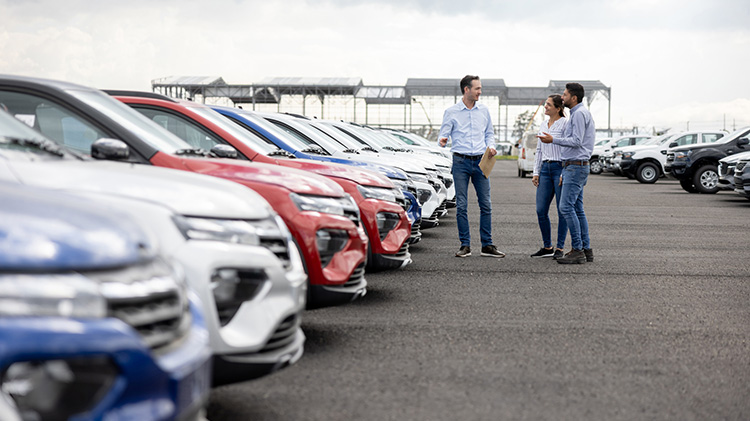
Some of the cheapest cars to insure based on safety, theft and repair cost ratings
Choosing a vehicle with top safety features, reliable anti-theft protection and more affordable repair costs may help you save on monthly premiums.
Overview: When selecting a vehicle, insurance premiums are an important but often overlooked factor that can significantly affect ownership costs. Insurance rates vary based on how expensive a vehicle is to repair, the likelihood and cost of theft or damage and safety features that can reduce medical and injury-related expenses. Tools that compare liability, collision, comprehensive and safety-related insurance costs can help buyers understand the potential annual premiums for different models. Vehicles with advanced safety technology, strong anti-theft systems and manageable repair costs tend to offer lower insurance rates over time. Considering these insurance cost factors alongside price and features may lead to more affordable vehicle ownership.
When shopping for a car, it can be natural to focus on comparing prices and options from different dealerships. However, there’s another important cost you may want to consider that won’t appear on the sticker: insurance. Since insurance premiums vary depending on the vehicle you choose, you may want to think about researching insurance costs before making a final purchase decision.
Comparing insurance costs across vehicles
To help make your research more manageable, online resources like our State Farm Vehicle Rating Tool may allow you to compare how different vehicles stack up against key insurance cost factors. Our tool, based on annual State Farm data, includes the following categories:
- Liability rating index (LRI) — rates how expensive it is to fix damage a vehicle causes when its driver is at fault in an accident, compared to all vehicles.
- Collision damage index (CDI) — rates how expensive it is to repair a specific vehicle model when it’s involved in a collision, compared to similarly priced vehicles.
- Damage and theft index (DTI) — rates the cost of comprehensive coverage claims for a vehicle model, which includes theft, vandalism, weather damage and other non-collision incidents, compared to similarly priced vehicles.
- Vehicle safety discounts (VSD) — rates the cost of medical payments (Med Pay) and personal injury protection (PIP) insurance for the vehicle model, compared to all vehicles.
Starting with a source like Bankrate’s cheapest cars to insure in 2026, listed below, you may be able to use an online vehicle rating tool to understand how their liability, collision, damage, theft and safety ratings affect their affordability. Click on any car make and model to read the analysis provided by our vehicle rating tool.
*Source: 2026 Bankrate article (Rates are for 2023 vehicle models)
*Rates are from Bankrate for 2023 vehicle models.
1. 2023 Subaru Outback
The Outback has significant savings on medical payments/personal injury protection compared to all vehicles.
According to the State Farm Vehicle Rating tool, the Outback also performs well in two areas. liability insurance and savings on Med Pay/PIP costs. While collision and comprehensive costs are average, the performance in liability and safety categories may make it a more affordable vehicle to insure.
2. 2023 Honda CR-V
The CR-V achieves “most savings on liability insurance compared to all vehicles” rating.
The CR-V matches the Subaru Outback’s top liability rating, which is its primary strength. Collision and comprehension costs are average for vehicles of similar value; however, the moderate Med Pay/PIP cost savings combined with top liability savings may keep this vehicle’s overall insurance cost lower.
3. 2023 Toyota Tacoma
The Tacoma earns a “significant savings on Med Pay/PIP” rating, which offset its standard liability price.
While the Tacoma’s liability insurance is offered at base price, this is compensated by significant Med Pay/PIP cost compared to all vehicles. The slightly lower costs for comprehensive and average collision costs may make Tacoma an attractive vehicle for truck buyers.
4. 2023 Jeep Wrangler
The Wrangler’s significant savings on Med Pay/PIP and lower collision and comprehension costs combined might help keep overall insurance premiums down.
The Wrangler presents an interesting trade-off. Its liability insurance costs significantly more compared to all vehicles. However, this is offset by the significant Med Pay/PIP savings.
Additionally, slightly lower collision and comprehensive costs help counterbalance the liability disadvantage.
5. 2023 Toyota RAV4
The RAV4 combines liability savings with balanced savings across collision, comprehensive and Med Pay/PIP.
Like the Subaru Outback and Honda CRV, the RAV4 earns the “most saving” on liability insurance rating. Combined with slightly lower collision and comprehensive coverage costs, plus moderate Med Pay/PIP savings, the RAV4 appears to offer reliable affordability.
6. Honda Pilot
The Pilot offers moderate liability savings, though vehicle Med Pay/PIP cost savings are low.
The Pilot’s moderate liability savings and slightly lower collision and comprehensive costs help keep insurance premiums down. However, it offers lower savings on Med Pay/PIP savings compared to similar cars.
7. 2023 Ford Escape
The Escape offers moderate liability savings with significant Med Pay/PIP savings that make it a competitive choice.
The Escape stands out for its Med Pay/PIP savings. While collision costs are average for similarly priced vehicles, the Escape offers moderate savings on liability and slightly lower comprehensive costs. The combination of Med Pay/PIP savings and other ratings may position it among the cheaper cars to insure.
8. 2023 Honda Odyssey
The Odyssey maintains competitive premiums with moderate liability savings and lower comprehensive costs, despite low savings on Med Pay/PIP.
The Odyssey provides moderate liability savings, low savings on Med Pay/PIP and average savings on collision coverage. However, it’s slightly lower comprehensive coverage costs helps to maintain overall affordability.
9. 2023 Acura RDX
The RDX has a most savings liability rating, moderate Med Pay/PIP savings and no stand-out cost disadvantages.
The RDX earns a spot on the list mainly because of its strong liability ratings. Moderate Med Pay/PIP savings provide additional advantages. With collision and comprehensive costs at average levels, the RDX delivers value overall.
Key trends and takeaways
When evaluating insurance costs, three critical factors extend beyond a vehicle’s base price: advanced safety technology, anti-theft protection and repairability.
- Safety tech pays off — vehicles with high Vehicle safety discounts (VSD) scores generally see lower premiums across the board. New vehicles come equipped with advanced safety technology, such as lane departure warning systems and blind spot monitoring, making them a safer and more economic choice.
- The “theft tax” — a poor Damage and theft index (DTI) score may drive down the value of an otherwise more affordable car. Modern anti-theft devices, such as GPS tracking systems, engine immobilizers and smart key technology, may improve the index, reducing coverage rates while safeguarding the asset.
- Repairability matters — there is a correlation between the Collision damage index (CDI) and the complexity of the car, for example with sensors in bumpers increasing minor repair costs. New technology, such as parking sensors and better battery technology, may help improve safety, but they may be more expensive to repair, and therefore more expensive to insure.
FAQs: Understanding insurance ratings
While reading about insurance ratings, you may still be wondering how they are calculated and what actions you can take. Here are answers to a couple of commonly asked questions.
- Why do similarly priced cars have different CDI scores? It’s because they can have different repair costs based on parts pricing, labor requirements and design complexity. Even if two vehicles have the same sticker price, the model that is more expensive or difficult to fix after an accident may be assigned a higher score.
- Can aftermarket security systems improve my DTI score? Installing an aftermarket security system does not change your vehicle's DTI score, as that rating is fixed based on the aggregate loss history of the specific vehicle model. However, installing a qualified system may still help lower your overall premium by triggering a separate anti-theft discount applied to your comprehensive coverage.
Better scores may lead to potentially better savings
The cheapest car to buy isn’t necessarily the cheapest to own. Insurance costs may impact the total cost of vehicle ownership over time. Vehicles with strong safety ratings, reliable anti-theft protection and reasonable repair costs may deliver more savings on insurance premiums year after year.
Ready to see how much you can save? Consider talking to a State Farm insurance agent today.
return to reference 1 Vehicle Rating Tool by State Farm
The information in this article was obtained from various sources not associated with State Farm® (including State Farm Mutual Automobile Insurance Company and its subsidiaries and affiliates). While we believe it to be reliable and accurate, we do not warrant the accuracy or reliability of the information. State Farm is not responsible for, and does not endorse or approve, either implicitly or explicitly, the content of any third party sites that might be hyperlinked from this page. The information is not intended to replace manuals, instructions or information provided by a manufacturer or the advice of a qualified professional, or to affect coverage under any applicable insurance policy. These suggestions are not a complete list of every loss control measure. State Farm makes no guarantees of results from use of this information.
State Farm Mutual Automobile Insurance Company
State Farm Indemnity Company
Bloomington, IL
State Farm County Mutual Insurance Company of Texas
Richardson, TX