New car safety features to consider
Choosing a car can take some time. Here are some safety features to consider when you are looking to buy a new vehicle.
Overview: When it’s time to buy a car, understanding which car safety features are available and which ones matter most can help protect you and your loved ones on the road. Standard features typically include airbags, anti-lock brakes, backup cameras, electronic stability control, car seat anchors & tethers and seat belts. Additional safety features to consider are lane departure warnings, rear cross-traffic alerts, blind spot monitoring, automatic emergency braking, adaptive cruise, adaptive headlights, tire pressure monitoring and forward collision warning systems.
Today’s vehicles are equipped with more advanced technology than ever before making safety features in new cars a top priority for both drivers and manufacturers. From crash avoidance systems to upgraded airbags, staying informed means that you can confidently choose a car that fits your needs and helps keep everyone safe.
Essential standard vehicle safety features
As car safety requirements have evolved, some safety features have become standard in many new cars. These include front airbags, anti-lock brakes, backup cameras, electronic stability control, seat belts and the LATCH (Lower Anchors and Tethers for Children) car seat safety system for families with small children. Many models also come equipped with side-curtain airbags, further helping increase protection during crashes.
These basic car safety features can help minimize injury in the event of a collision and are now expected in new vehicles. By checking that these systems are in place, you can help ensure a minimum level of safety before deciding to buy a car.
Smart crash avoidance technology
Many of the best car features in modern vehicles are designed to help you avoid accidents before they happen. Crash avoidance technology (once only available in high-end luxury cars) now comes standard or as an option on many models. Some popular options are:
- Forward collision warning — issues alerts using sound, visual cues or steering wheel vibrations if you get too close to another vehicle. This helps you react before an accident occurs.
- Automatic emergency braking (AEB) — uses forward-facing sensors to detect a potential collision and can apply the brakes automatically, often in combination with forward collision warning.
- Blind spot detection — monitors the areas beside your car where vehicles might be out of view, alerting you when a car is present in your blind spot and, in advanced systems, even applying brakes or steering corrections, especially when you are merging onto the highway.
- Lane departure warning — monitors your position in a lane and produces warnings or gentle steering corrections if it senses drifting or accidental lane changes. This can prevent sideswipes and collisions.
- Adaptive headlights — these adaptive headlights pivot toward your turning direction or dim when sensing oncoming traffic to help increase visibility and may help decrease both collisions and property damage.
- Backup cameras and sensors — standard in all new vehicles since 2018, backup cameras and ultrasonic sensors help prevent parking and backover accidents. These features alert you if an object or person is behind your car.
Comfort and convenience features
While safety is the priority, there are numerous new car features that combine practicality with safety.
- Multi-zone climate controls and heated seats — adjustable temperature zones and heated seats are popular and widely available.
- Remote start — this feature allows you to start your car from a distance, warming or cooling the cabin before you get in, which can be especially useful in extreme heat or cold temperature regions.
- Wireless phone charging and smartphone accessories — built-in wireless chargers decrease cable clutter and help your phone stay charged, while Bluetooth and accessory mounts allow for safe, hands-free connectivity.
- Sunroof options — from panoramic glass panels to smaller tilt-and-slide models, sunroofs offer extra light and fresh air.
- Custom colors and finishes — choosing a color with high visibility may make your vehicle easier for others to see.
New additions for smarter driving
As technology rapidly advances, safety features in cars are growing smarter:
- Smartphone integration (Apple CarPlay and Android Auto) — new vehicles often let you mirror your mobile device’s features on the infotainment screen, making auto telematics, navigation, communications and music more accessible without distracting from driving.
- Rear seat reminder systems — to help keep children or pets safe, these systems chime if the rear doors have been opened recently and remind you to check the back seat when leaving the vehicle.
How to choose a car with safety features right for you
Selecting the right car safety equipment can be overwhelming. However, by focusing on the most impactful options, you can find the safety features that are right for you.
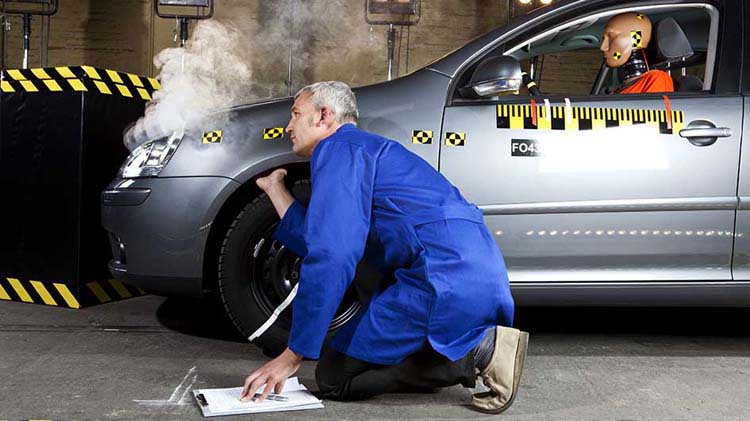
Begin by researching the crash performance and safety ratings of the vehicles you're considering. Resources such as the Insurance Institute for Highway Safety (IIHS) and the National Highway Traffic Safety Administration (NHTSA) could provide clear ratings on vehicle performance in crash tests.
When reviewing, consider which features are standard and which are part of optional packages. Manufacturers sometimes bundle multiple features together, so acquiring one safety upgrade may require purchasing several connected technologies. However, no matter what safety features your vehicle includes, the most impactful safety feature is attentive driving.
Evaluating car safety ratings and insurance considerations
Checking the safety ratings for crashworthiness and collision avoidance technologies could help you choose a car that's proven to help protect its occupants and help avoid car accidents.
Additionally, insurance companies sometimes offer reduced premiums or savings based on the car’s safety features, so it can be beneficial to ask about these potential savings when discussing coverage for a new vehicle. Our vehicle insurance rating information can also help you determine how competitively priced different vehicles could be to insure.
Taking a driver training class could also be beneficial when improving your driving skills. Furthermore, these classes sometimes result in insurance savings. Always review your car insurance coverages and contact a State Farm agent with any questions you may have.
What’s next in vehicle safety features?
With new technology debuting in nearly every model year, the future of car safety equipment looks brighter than ever. Innovations like automated emergency braking, more precise blind spot monitoring and advanced driver assistance systems (ADAS) are being developed for even better performance and protection. Manufacturers are also working on integrating artificial intelligence with sensors to anticipate road hazards before they occur.
Remember, vehicle safety features are just one part of owning and maintaining a car. Good driving habits, regular maintenance and considering your personal preferences for comfort and tech can come together to make your driving experience safer and more enjoyable.
You can get an auto insurance quote now, or give us a few details and a State Farm® agent will reach out to you.
The information in this article was obtained from various sources not associated with State Farm® (including State Farm Mutual Automobile Insurance Company and its subsidiaries and affiliates). While we believe it to be reliable and accurate, we do not warrant the accuracy or reliability of the information. State Farm is not responsible for, and does not endorse or approve, either implicitly or explicitly, the content of any third party sites that might be hyperlinked from this page. The information is not intended to replace manuals, instructions or information provided by a manufacturer or the advice of a qualified professional, or to affect coverage under any applicable insurance policy. These suggestions are not a complete list of every loss control measure. State Farm makes no guarantees of results from use of this information.
This content was developed with the help of AI and reviewed by State Farm editors.
State Farm Mutual Automobile Insurance Company
State Farm Indemnity Company
Bloomington, IL
State Farm County Mutual Insurance Company of Texas
Richardson, TX