The real consequences of drunk driving
Injuries, loss of life, jail, lost licenses and higher insurance rates: Drinking and driving isn't worth it.
Overview: The consequences of drinking and driving begin with severe and immediate safety risks, including serious injury and loss of life, and extend to legal, financial and personal repercussions such as criminal charges, jail time, fines, license suspension or revocation, ignition interlock devices, job loss and insurance rates that increase an average of 72%. Alcohol impairs critical driving abilities like vision, judgment and reaction time, putting you and others at serious risk. Whether you're a standard driver, commercial operator or under 21 years old, the penalties can be life-altering. The good news, though, is that drunk driving is entirely preventable through designated drivers, rideshare services or choosing not to drink when driving.
Plenty of people know that drinking and driving don't mix — but many still do it. Alcohol-impaired driving is the cause of thousands of drinking and driving accidents and fatalities each year. The National Highway Traffic Safety Administration (NHTSA) data shows that during 2023, 12,429 people died in accidents that involved drunk driving.
Drinking and driving is dangerous. Just one drink or a small number of drinks can make you unsafe behind the wheel and put your life and the lives of others at risk.
What is drunk driving?
States differ in what they call it: Driving under the influence (DUI), driving while intoxicated (DWI), drunk driving or impaired driving. While it varies by state, generally a baseline blood alcohol concentration (BAC) of .08 grams per deciliter (g/dL) or higher is considered alcohol-impaired.
For those under 21, zero-tolerance laws criminalize driving with any amount of alcohol. States may also have enhanced penalties in place for those who drive with very high BACs, drive impaired with minors in the vehicle or have multiple convictions.
*Note that BAC limits may vary by state. Additionally, you can still be arrested and charged with DUI/DWI below these levels if an officer believes you are impaired.
How alcohol affects your body
The NHTSA shares that when you drink alcohol, you may experience some physical consequences that will affect your ability to drive. Body functions will be altered more as the alcohol level in your body increases. Some effects are:
- Vision — alcohol can blur your vision, cause double vision and may make it difficult to focus.
- Judgment — past experiences and knowledge are stored in your brain, but alcohol can impair the area of your brain used for judgement.
- Reaction time — alcohol can slow your ability to process information and respond while driving.
- Color distinction — the ability to distinguish colors, such as those on road signs, can be impaired.
As a result of drinking, your ability to react while driving — to traffic, pedestrians, traffic lights and weather events — can be compromised, putting you, your passengers and everyone around you at risk of serious injury or death.
What influences how quickly your BAC rises?
Several factors help determine how fast your BAC increases:
- The amount you drink — this plays the most obvious role, as consuming more alcohol naturally raises your BAC faster and higher.
- How quickly you drink — pacing matters; drinking rapidly causes your BAC to spike higher than spreading the same amount over several hours.
- Your biological sex — women typically have a higher body fat-to-water ratio than men. Because alcohol does not distribute into fat tissue, it remains more concentrated in the bloodstream of women, often resulting in higher BAC levels compared to men after consuming the same amount.
- Your body weight — this affects dilution. Heavier individuals have more water in their bodies to dilute the alcohol, which generally results in a lower BAC compared to lighter individuals who consume the same amount.
- Whether you've eaten — this can slow the absorption process noticeably. Food in your stomach acts as a buffer, giving your body more time to process alcohol gradually rather than all at once.
Additionally, there's no shortcut to sobriety. Common remedies like coffee, fresh air and cold showers cannot accelerate how the body processes and eliminates alcohol from the bloodstream. Time is the only medically proven method.
What are the legal consequences of drunk driving?
Alcohol-impaired driving laws and penalties vary by state. When you drink and drive, you're compromising cognitive ability and responsiveness, which increases your risk of an accident. Get caught, and a single drunk driving infraction may have legal, financial, personal and even professional ramifications.
The Governors Highway Safety Association has state-by-state information about drunk driving consequences in addition to a breakdown of alcohol-impaired driving laws by state.
Some of the consequences of drinking and driving include:
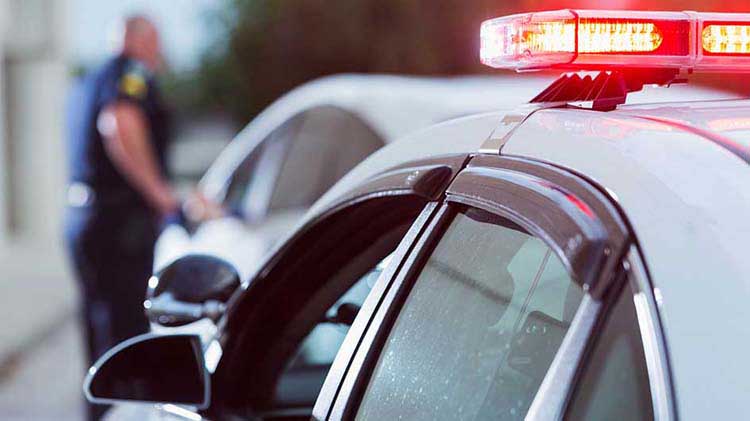
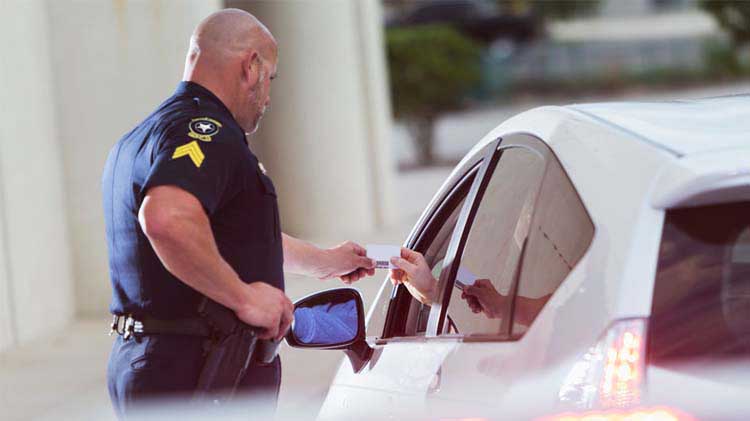
- Arrest — an officer may request field sobriety tests during a traffic stop and, if impairment is suspected, will request a chemical test to measure your BAC before placing you under arrest.
- Fines, jail, probation and education programs — some states require mandatory jail time (even for a first offense) as well as fees and participation in alcohol education or treatment programs (with penalties escalating for repeat offenses).
- License suspension or revocation — many states suspend your license for varying lengths of time. Multiple convictions typically equal a revocation of a license, which is a permanent or long-term removal requiring a formal hearing to regain rights.
- Ignition interlock devices — courts may require installation of an ignition interlock device that prevents your vehicle from starting until you provide a breath sample showing no alcohol.
- Job loss — a single drunk driving conviction can result in job loss or restrictions (i.e., operating company vehicles), and it appears on background checks (which may make it harder to find employment in certain fields).
- Higher insurance rates — higher rates almost always accompany drunk driving convictions and may put your current insurance policy at risk.
- Punitive damages — these may be claimed against you if you caused an accident while drinking and driving. Many states will not allow your liability insurance to pay for punitive damages, so you may find yourself personally exposed to such damages.
- Enhanced penalties — after conviction, penalties increase significantly when aggravating factors are present, such as high BAC levels, injury or death, minors in the vehicle or prior DUI convictions. These factors can elevate the offense from a misdemeanor to a felony, resulting in harsher consequences.
How can you avoid the risks of drinking and driving?
Make good decisions and plan ahead. Here are some ways to help avoid drunk driving:
- Always choose a designated driver every time you go out.
- If you go out alone, avoid drinking alcohol. Instead, order a non-alcoholic beverage such as a soft drink or water. If you do choose to drink, utilize a ridesharing service or call a taxi. If it is safe to do so, consider traveling with a friend or someone you trust, especially to reduce potential risks if impaired.
- Never get in a car with a driver who has been drinking. If necessary, stay put.
- If you’re hosting an event where guests have consumed alcohol, help ensure everyone gets home safely. Offer plenty of non-alcoholic beverages and encourage guests to switch to these later in the evening, especially if they will be traveling afterward.
How drinking and driving can impact your insurance
If you are convicted of a DUI or DWI offense, your insurance rates could increase dramatically. The amount of increase depends on your coverage and location.
According to Forbes Advisor, car insurance rates go up 72% on average after you’ve had a DUI. Additionally, you may need to obtain an SR-22 document. This certificate is filed with the state to confirm coverage is maintained and verifies you’ve purchased auto liability insurance. Generally, you must maintain both the SR-22 and your auto insurance policy for approximately three years. Of course, DUI/DWI offenses also run the risk of insurance cancellation or nonrenewal.
Frequently asked questions
Below are some common questions when it comes to drinking and driving:
- Can you get a DUI with a BAC under 0.08? Yes. Not only do BAC limits vary by state, but you can also be arrested and charged below these levels if an officer believes you are impaired.
- What is the difference between DUI and DWI? DUI (driving under the influence) refers to operating a vehicle while impaired by alcohol, drugs or both, focusing on the impairment itself regardless of the substance. DWI (driving while intoxicated) typically refers specifically to alcohol intoxication, though definitions vary by state.
- How long does a DUI stay on your record? A DUI will generally stay on your driving record for 5 to 10 years.
- What happens if you refuse a breathalyzer or blood test? Refusing a test can carry severe penalties, including immediate license suspension, increased criminal charges and the refusal itself used as evidence of guilt in court.
- Can passengers be charged (e.g., open container or furnishing alcohol)? Most states have laws prohibiting the consumption or possession of open containers of alcohol while in a motor vehicle, and most states also have laws that extend to passengers in the vehicle. Check with your specific state for more detail.
Now that you’ve learned about the consequences of drunk driving accidents, you may be interested to learn more about other safe driving topics like essential skills for teen drivers, car safety features or what to do if your car catches fire.
This content was developed with the help of AI and reviewed by State Farm editors.
The information in this article was obtained from various sources not associated with State Farm® (including State Farm Mutual Automobile Insurance Company and its subsidiaries and affiliates). While we believe it to be reliable and accurate, we do not warrant the accuracy or reliability of the information. State Farm is not responsible for, and does not endorse or approve, either implicitly or explicitly, the content of any third party sites that might be hyperlinked from this page. The information is not intended to replace manuals, instructions or information provided by a manufacturer or the advice of a qualified professional, or to affect coverage under any applicable insurance policy. These suggestions are not a complete list of every loss control measure. State Farm makes no guarantees of results from use of this information.
Neither State Farm nor its agents provide tax or legal advice.
State Farm Mutual Automobile Insurance Company
State Farm Indemnity Company
Bloomington, IL
State Farm County Mutual Insurance Company of Texas
Richardson, TX