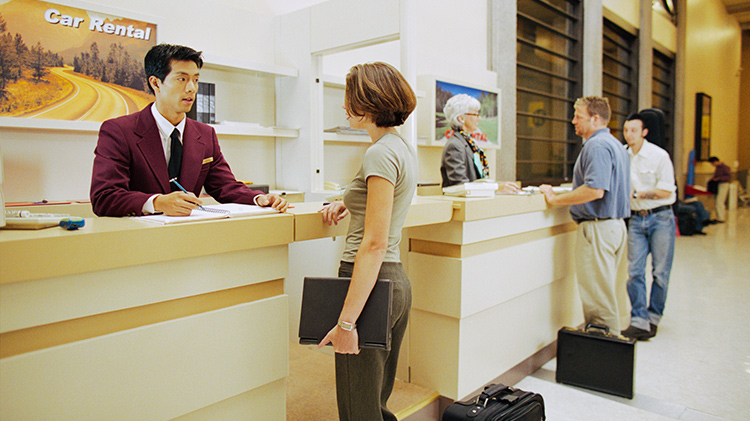
Top 5 tips for a hassle-free car rental experience
When it comes to tips for renting a car, taking time to prepare ahead may help you save.
Overview: A rental car should add convenience to your plans, not complications. Still, unexpected fees, paperwork and last-minute decisions can make the process tricky. The good news? By preparing ahead and knowing what to watch out for, you may be able to avoid common pitfalls and focus on the road ahead. The following article explores five practical tips for renting a car, including doing your research before booking, planning your protection choices in advance and thoroughly inspecting the car. It also covers the importance of carefully reviewing your rental agreement and returning the car rental properly. By following these steps, renters may be able to better navigate the process and avoid hidden fees.
Ever find yourself at a rental car counter wondering if you’re missing something important? Maybe you’re getting on the road for vacation or your own car’s in the shop. Whatever the reason, renting a car should be easy, not stressful. With a bit of prep work, you may be able to steer clear of headaches and get moving smoothly.
Here are five practical car rental tips to help make your experience as seamless as possible.
1. Do your homework prior to booking
Imagine you’re booking a $30-a-day car online. You show up at the airport and are confused when the final bill is double what you’d expected. To help prevent surprises when renting a car, it helps to understand the real cost ahead of time.
- Compare all costs — extra fees can creep up. Airport surcharges, taxes and optional add-ons like GPS or car seats can quickly bump up the price advertised online, sometimes turning what looked like a great deal into a much more expensive rental. Look at the total price, not just the daily rate. One tip for renting a car is to compare prices at both the airport and city locations. Utilizing a rideshare service and taking a short drive to another location may help you save.
- Check age requirements — are you under 25? Some companies rent to younger drivers but may tack on extra daily fees. Knowing this before you reach the counter can help you avoid sticker shock.
- Review your insurance — don’t wait until you’re at the counter with a line behind you. Check if your personal auto insurance policy covers car rental reimbursement or your credit card offers rental car coverage, as many policies include some sort of coverage (and you don’t want to pay extra unnecessarily). Understanding this now may help you skip potentially expensive add-ons.
2. Plan your protection choices in advance
Ever felt pressured to buy extra coverage at the counter? You’re not alone.
Knowing what you need before you arrive can help you confidently say yes or no to each offer. If your auto policy doesn’t cover rentals, or you’re not sure, consider options like Supplemental Liability Insurance (SLI). If you do have coverage, you might not need to double up.
3. Inspect the car (inside and out)
Picture this: You return your car rental and are told there’s a scratch that you hadn’t noticed before. Suddenly you’re on the hook for repairs.
Help avoid this scenario by taking a few minutes to check the car before driving away. Walk around the vehicle and take photos of the sides, roof, wheels and interior. Any dings, dents or stains? Get close-up shots. Show these to the rental agent and see that they’re noted in your agreement. When you bring the car back, do the same walk-around and take photos again, including the fuel gauge and odometer. This step may help protect you from surprise charges later.
4. Understand the rental agreement
Rental agreements may not be the most exciting reads, but a quick scan of key sections may help ensure you understand the agreement. Here’s what to look for:
5. Return the car rental promptly and properly
You’re almost done, but a few quick steps can help you end on a high note.
- Drive carefully — obey traffic laws and stick to any rental restrictions, like where you can drive.
- Return on time — late returns can mean extra charges. Plan ahead in case of traffic or delays.
- Refuel as needed — follow the fuel policy to avoid being hit with refill fees.
- Check for belongings — look everywhere, including the glove box, trunk and under the seats. Sunglasses and chargers love to hide.
- Get a final receipt — ask for a closed-out bill before you leave (it’s your proof in case there are billing questions later).
Renting a car doesn’t have to be complicated. With these rental car tips, you can help avoid surprises and focus on the freedom and fun that can come with hitting the road.
Want to know how a State Farm® auto policy can apply to rental cars? Connect with an agent today.
The information in this article was obtained from various sources not associated with State Farm® (including State Farm Mutual Automobile Insurance Company and its subsidiaries and affiliates). While we believe it to be reliable and accurate, we do not warrant the accuracy or reliability of the information. State Farm is not responsible for, and does not endorse or approve, either implicitly or explicitly, the content of any third-party sites that might be hyperlinked from this page. The information is not intended to replace manuals, instructions or information provided by a manufacturer or the advice of a qualified professional, or to affect coverage under any applicable insurance policy. These suggestions are not a complete list of every loss control measure. State Farm makes no guarantees of results from use of this information.
State Farm Mutual Automobile Insurance Company
State Farm Indemnity Company
Bloomington, IL
State Farm County Mutual Insurance Company of Texas
Richardson, TX