How do I calculate car depreciation and minimize value loss over time?
Learn how car depreciation works and ways to help keep your vehicle’s resale value as high as possible.
Overview: Car depreciation can affect your vehicle’s value over time and may play a role in financial decisions. While depreciation is expected, factors like vehicle maintenance, resale value, driving habits and buying used may help slow the decline in value. Learn how car depreciation works and what you can consider to help preserve your car’s value.
Worried that your car is worth less before you even drive it off the lot? You're not wrong. Depreciation starts immediately, and new vehicles can lose 20% of their value within the first year alone. Understanding your car's changing value can be helpful when making decisions about your vehicle, including your car insurance.
What is car depreciation and why does it matter?
Car depreciation is the loss in your vehicle’s value over time — essentially the difference between what you paid and what your car is worth when you sell it. Factors such as mileage, condition, reputation and consumer preferences influence how quickly your car loses value.
Depreciation affects your finances in several important ways:
- It impacts the resale or trade-in price you receive.
- It can determine insurance payouts if your car is totaled.
- It contributes significantly to your total cost of ownership.
- It influences financing decisions and whether leasing or buying makes more financial sense.
By understanding depreciation, you can make smarter choices throughout your vehicle’s life.
How do I calculate depreciation on my car?
You can estimate your car’s depreciation using online calculators that consider inputs like:
- Vehicle price — the amount you pay or expect to pay.
- Vehicle age — zero for new cars, otherwise the current age.
- Years you’ll own — how long you plan to keep the car.
- Depreciation rate — varies by car type, with new or exotic cars depreciating faster initially.
Determine vehicle depreciation
Results
Note: These tools provide estimates. Actual depreciation varies based on mileage, condition, market demand and other factors.
How much does a car depreciate per year?
New cars lose roughly 10% of their value in the first month, about 20% in the first year and approximately 60% by year five. This rapid early depreciation explains why a car’s value drops significantly the moment you drive it off the lot.
Used cars depreciate more slowly since they’ve already experienced the steepest drop. Their value loss depends on factors like make, model, condition, mileage and maintenance. Buying a used car a few years old can be a savvy financial choice, helping you avoid the steepest depreciation curve while still getting a reliable vehicle.
What factors affect depreciation?
Several key factors influence how quickly your car loses value:
How can I minimize depreciation?
Here are practical steps to help slow your car’s value loss:
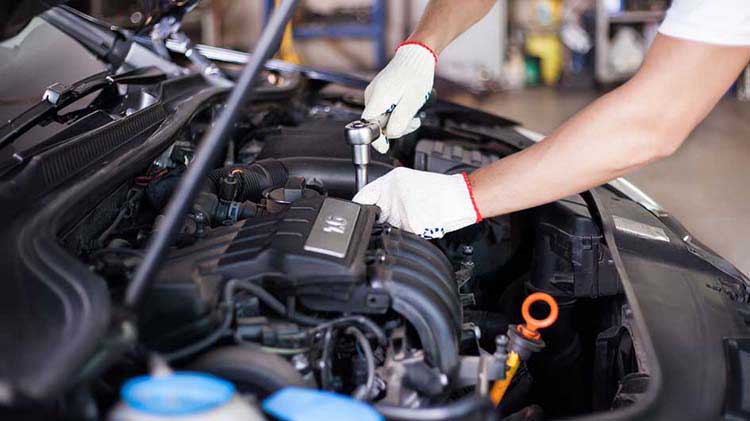
- Maintain your car regularly — this is the number one thing when it comes to retaining your car’s value. Chances are, you’ll get better resale value if you’re able to keep your vehicle in good shape, both inside and out. Stick to the recommended maintenance schedule listed in your owner's manual, keep all service records to show potential buyers that you've been diligent about maintenance and use reputable mechanics or service centers to help ensure quality work. Avoid modifications, such as window lettering, that may make a car more difficult to sell.
- Drive carefully — try to minimize quick accelerations, sharp turns and abrupt stops to help extend the life of your vehicle. Accidents and fender benders lessen your car’s resale value.
- Protect the exterior — wash and wax your car regularly to help prevent rust and maintain a fresh gloss on the paint. Consider paint protection films and ceramic coatings for extra layers of protection. When possible, park in shaded areas or use a car cover to help protect the paint from UV rays. Repair dents and scratches promptly.
- Clean the interior — with the hustle and bustle of everyday life, it can be hard to keep your car tidy. But using seat covers and floor mats can help protect against permanent wear and stains. Keep in mind that cigarette smoke and odors can significantly detract from your car’s value.
- Keep mileage low — driving fewer miles each year can help slow depreciation since vehicles with higher mileage tend to depreciate faster. Consider alternative transportation options or carpooling to reduce the number of miles you put on your vehicle.
- Store your car properly — park in a garage or covered area to help protect from weather and potential damage whenever possible. Avoid parking under trees where sap or bird droppings might stain or damage the paint.
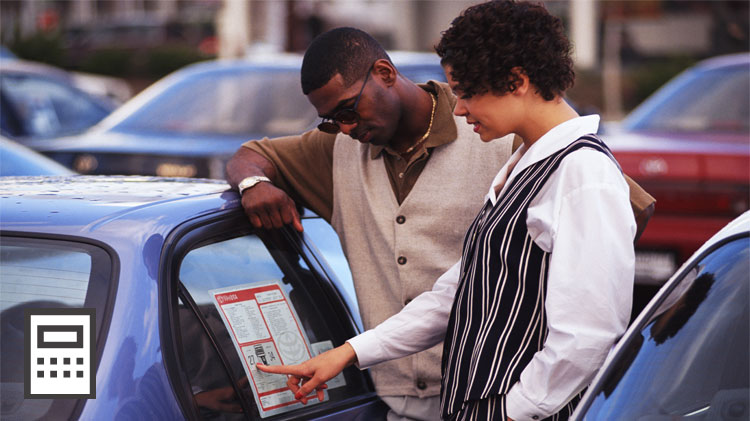
- Buy a high-resale model — some cars hold their value better than others. By researching resale values before you buy, you might be able to avoid vehicles that get hit hardest by car depreciation. Both Kelley Blue Book and Edmunds provide resale values on any given car in previous years. You can use that information to help you determine what the future value may be on a particular model. Additionally, each year Kelly Blue Book publishes a list of the 10 cars with the best resale value.
- Avoid custom modifications — while some modifications might seem like they would add value, they often don't appeal to the broader market and may decrease the car’s value. If you do make changes, keep the original parts. If you decide to sell, you can offer the originals to potential buyers.
- Consider buying used — the depreciation rate is faster for new cars than used cars. So, if you buy a three-year-old car, someone else has effectively “paid” the bulk of the depreciation for you.
- Keep your car as long as it remains safe and reliable — since depreciation only hits you when you sell, you may reduce the impact by driving your vehicle for several years after it has lost most of its initial value. However, even well-maintained cars can develop mechanical issues over time, and newer models often include safety improvements. Ultimately, deciding when to purchase a different vehicle is a personal choice that balances value, safety and reliability.
- Review possible tax deductions — if you use your car for a business (even a side business), you may be able to deduct a portion of your car's depreciation on your income taxes over five years. Consult your tax professional for details.
- Consider selling privately — ultimately, depreciation is a simple math problem (purchase price - sale price = depreciation). The more you get for your car when you sell it, the less you lose in depreciation. In general, you may get more through a private sale than a trade-in. If you chose a private sale, you are responsible for ensuring the title is transferred to the new owner. Contact your local DMV to ensure proper transfer.
Frequently asked questions
- How does depreciation affect my insurance? Many drivers consider dropping certain coverages when their car's depreciated value falls below the cost of premiums, though this depends on your personal situation.
- Does buying used vs. new affect depreciation? Yes. Used cars depreciate more slowly since the steepest value drop occurs in the first year. New cars offer benefits like warranties and the latest features but lose value faster initially.
- Which car models are most affected by depreciation? Luxury vehicles tend to depreciate faster because their cutting-edge features quickly become outdated, making them less desirable to buyers. SUVs and pickup trucks, however, hold their value better due to sustained high demand in the market.
By considering these tips and taking good care of your vehicle, you can help it retain as much value as possible over time.
You can get an auto insurance quote now, or give us a few details and a State Farm® agent will reach out to you.
This content was developed with the help of AI and reviewed by State Farm editors.
The information in this article was obtained from various sources not associated with State Farm® (including State Farm Mutual Automobile Insurance Company and its subsidiaries and affiliates). While we believe it to be reliable and accurate, we do not warrant the accuracy or reliability of the information. State Farm is not responsible for, and does not endorse or approve, either implicitly or explicitly, the content of any third-party sites that might be hyperlinked from this page. The information is not intended to replace manuals, instructions or information provided by a manufacturer or the advice of a qualified professional, or to affect coverage under any applicable insurance policy. These suggestions are not a complete list of every loss control measure. State Farm makes no guarantees of results from use of this information.
Neither State Farm® nor its agents provide tax or legal advice. This calculator is for illustrative and educational purposes only. Its accuracy and applicability to your circumstances is not guaranteed. Please consult your own adviser regarding your particular circumstances.
State Farm Mutual Automobile Insurance Company
State Farm Indemnity Company
Bloomington, IL
State Farm County Mutual Insurance Company of Texas
Richardson, TX