Safety tips for avoiding costly pothole damage
Understanding pothole damage and how to protect your vehicle.
Overview: Pothole damage can cause unexpected and costly repairs to your vehicle, affecting key components such as tires, wheels and suspension systems. These common road hazards not only compromise vehicle safety but also lead to a high number of damage claims, significantly increasing repair expenses for drivers. Understanding how pothole damage occurs and learning strategies to minimize its impact are essential for protecting your vehicle and avoiding unnecessary costs.
With winter’s freeze-thaw cycles behind us, spring brings a fresh challenge for drivers: an increase in potholes. These road imperfections develop rapidly and can cause serious damage to your vehicle if not avoided. This article explores the causes of potholes, how to protect your vehicle from pothole damage and what steps to take if you encounter one, helping you reduce repair costs and drive safely.
What causes potholes?
Potholes can develop in any climate but are especially common in areas with freezing temperatures. Water seeps into cracks in the road surface and freezes during cold weather. As the ice expands, it breaks apart the pavement. When it thaws, the pavement settles unevenly, creating cavities that worsen over time with traffic, forming potholes that can damage your vehicle.
Common types of vehicle damage from potholes
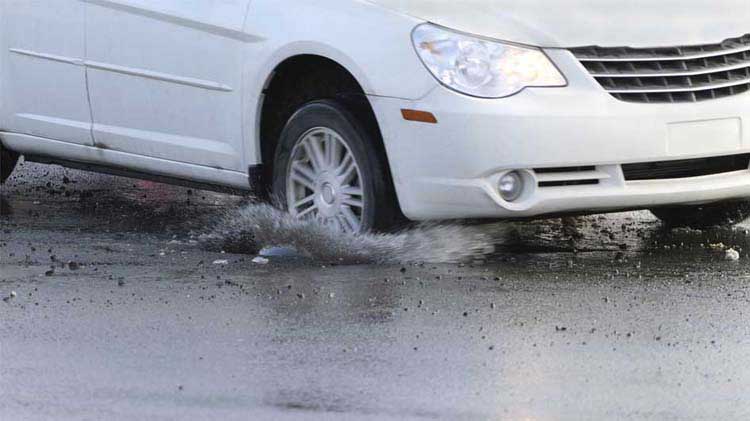
Driving over potholes can lead to a variety of damages, including:
- Tire punctures or flats
- Bent or cracked wheels/rims
- Misalignment or damage to suspension components
- Steering system issues
- Damaged shocks or struts
Such damage not only leads to costly repairs but can also impair vehicle safety by affecting steering control and braking efficiency.
How can you protect against potholes?
To help reduce the risk of pothole damage to your vehicle, consider the following safety tips:
- Drive familiar routes. Knowing your roads helps you anticipate and avoid potholes.
- Choose well-lit roads at night. Good lighting in the evening improves your ability to spot potholes and other hazards.
- Slow down. Reduced speed gives you more time to react and lessens impact damage.
- Inspect your vehicle after impact. Check tires, wheels and suspension for damage. Watch for unusual steering or vibrations and seek professional evaluation if needed.
- Report potholes. Notify your local government or transportation department through apps, websites or phone calls. Reporting helps prompt repairs and may support damage claims.
What to do immediately after hitting a pothole
If you hit a pothole, take these important steps to assess potential damage and help protect yourself:
- Safely pull over and inspect your vehicle for visible damage like flat tires or bent rims.
- Pay attention to new noises, vibrations or handling issues such as pulling or wobbling.
- Avoid driving if you suspect serious damage; have your vehicle towed to a mechanic if necessary.
- Document the pothole location and take photos of the damage to support insurance or government claims.
Potholes and motorcycles and bicycles
Motorcyclists and cyclists are particularly vulnerable to pothole hazards. Riders should stay alert, reduce speed and carefully maneuver around potholes to avoid accidents. Pedestrians should also be cautious in pothole-prone areas to prevent trips and falls.
Does car insurance cover pothole damage?
Damage from potholes may be covered under your auto policy’s collision coverage, which typically covers repairs beyond tires, such as wheels and suspension. However, tire damage alone is often not covered. Deductibles usually apply, so it’s important to check your policy details and consult your insurer before filing a claim.
In some cities and states (e.g., Chicago and New York), local governments might compensate drivers for pothole damage if you file a claim with proper documentation, such as photos and repair estimates. Contact the agency responsible for the road where the damage occurred to learn about their claim process.
Quick facts about pothole damage
Here are some key points to keep in mind about potholes and their impact on your vehicle, along with tips for prevention and insurance considerations:
Questions to ask your insurance agent about pothole damage
When discussing pothole damage with your insurance agent, consider asking:
- Does my auto insurance policy cover pothole damage?
- What is my deductible for claims related to pothole damage?
- How do I file a claim if I experience pothole damage?
- Are there any specific documentation requirements for pothole damage claims?
- Does my policy cover rental cars while my vehicle is being repaired?
Potholes pose a serious risk to your vehicle and safety, especially after winter. By staying informed about their causes and impacts, taking proactive steps to avoid damage and understanding your insurance coverage, you can help protect your vehicle and your wallet. Remember to inspect your car after a pothole encounter and report any hazards to local authorities. Safe driving starts with awareness and action.
You can get an auto insurance quote now, or give us a few details and a State Farm® agent will reach out to you.
This content was developed with the help of AI and reviewed by State Farm editors.
The information in this article was obtained from various sources not associated with State Farm® (including State Farm Mutual Automobile Insurance Company and its subsidiaries and affiliates). While we believe it to be reliable and accurate, we do not warrant the accuracy or reliability of the information. State Farm is not responsible for, and does not endorse or approve, either implicitly or explicitly, the content of any third-party sites that might be hyperlinked from this page. The information is not intended to replace manuals, instructions or information provided by a manufacturer or the advice of a qualified professional, or to affect coverage under any applicable insurance policy. These suggestions are not a complete list of every loss control measure. State Farm makes no guarantees of results from use of this information.
This is only a general description of coverages and is not a statement of contract. Details of coverage or limits vary in some states. All coverages are subject to the terms, provisions, exclusions and conditions in the policy itself, and in endorsements.
State Farm Mutual Automobile Insurance Company
State Farm Indemnity Company
Bloomington, IL
State Farm County Mutual Insurance Company of Texas
Richardson, TX