Tips to deal with most common home emergencies
You may not be able to predict when a home emergency will occur, but you can be more prepared with a home emergency plan.
These emergency preparedness tips help you identify and respond to common household emergencies. It addresses questions like:
- Do you know what to do if a pipe bursts due to freezing or a sewer line clog?
- Can you recognize the symptoms of poisoning, carbon monoxide or a gas leak?
- Do you have a home emergency kit?
While it’s impossible to predict when an emergency will strike, you can take steps to help be ready.
Accidental poisoning
When a family member is disoriented, vomiting and having trouble breathing, it could be poisoning.
- In 2023, poison centers fielded over 2.1 million reports of poison exposure.
- According to the Center for Disease Control and Prevention (CDC), the leading cause of emergency department visits for young children is medication overdoses.
- In 2023, there were 100,304 deaths from unintentional poisoning.
What to do:
- Call 911 — if the victim is unconscious or not breathing.
- Call the Poison Control center — if the victim is awake and alert, call 1-800-222-1222.
- Stay calm — follow the operator's instructions.
- Be prepared to provide the following information:
- Victim's age and weight.
- Approximate time of poisoning.
- Address where the poisoning occurred.
- Name of the substance (if known).
- Victim's symptoms.
Gas leak
When you smell rotten eggs, it could be a sign of a gas leak. Additionally, a gas leak can be discovered quickly if you have a natural gas detector set up.
- Leave the house immediately — don't try to find the leak or turn appliances on or off.
- Call 911 — then, call your utility company.
Carbon monoxide alarm
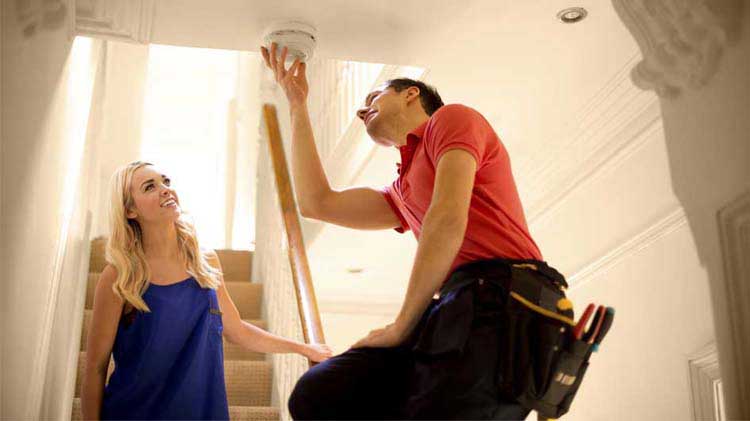
Carbon monoxide (CO) poisoning can cause headaches, chest pain and nausea. If your CO detector is triggered, leave your home immediately and call 911 or visit the ER.
Carbon monoxide is odorless and colorless, so be aware of these common symptoms:
- Headache
- Dizziness
- Chest pain
- Fatigue
- Nausea
Each year, CO poisoning leads to:
- More than 400 unintentional (non-fire-related) deaths.
- More than 100,000 emergency room visits.
Kitchen fires
Leaving flammable materials near the stove, cooking with excessively high heat or neglecting items on the stove can all cause kitchen fires. In the U.S., fire departments respond to hundreds of thousands of cooking fires each year.
If a fire starts:
- Turn off the heat source — if it’s safe to do so.
- Smother flames — with a fire blanket, a lid (if the fire is contained within the pan) or douse it with baking soda if easily accessible. Water should never be used on a grease fire.
- Use a fire extinguisher — only if the fire is small and you know how to operate it safely.
If you are able to extinguish the flame:
- Ventilate the area — open doors and windows to clear the smoke.
- Go outside — get some fresh air to breathe.
- Monitor the area — check for any reignition.
If you aren’t able to extinguish the flame:
- Evacuate immediately — call emergency services.
- Stay outside — do not re-enter the building until help arrives.
Power outage
When the power goes out, respond quickly with these safety tips:
- Light — use flashlights for illumination; avoid fire hazards like candles.
- Food — keep refrigerator and freezer doors closed to preserve perishable items.
- Appliances — turn off and unplug electronics to prevent damage from power surges when electricity is restored.
For future outages, prepare an emergency kit that includes:
- Water
- Non-perishable food
- Backup power source (i.e., generator)
HVAC not working
Your air conditioning and heating can be important to your safety, especially if you live somewhere that experiences particularly high or low temperatures. If your HVAC system shuts down, you may need to take steps to help protect yourself.
As soon as it goes out, call a technician to inspect and repair or replace your system if needed. It may take some time for them to be able to come by, especially if there are widespread issues.
If it’s your cooling unit:
- Move to the lowest floor or basement to avoid rising heat.
- Get out of the house for a while and hang out at a more comfortable location.
- Drink ice water and use a washcloth with cold water on your body to help cool off.
If it’s your heating unit:
- Add clothing layers like extra jackets or pants.
- Do not use your oven to provide heat as it can be dangerous.
- Use bed sheets or curtains as insulation to hang around doors and windows.
Water leak
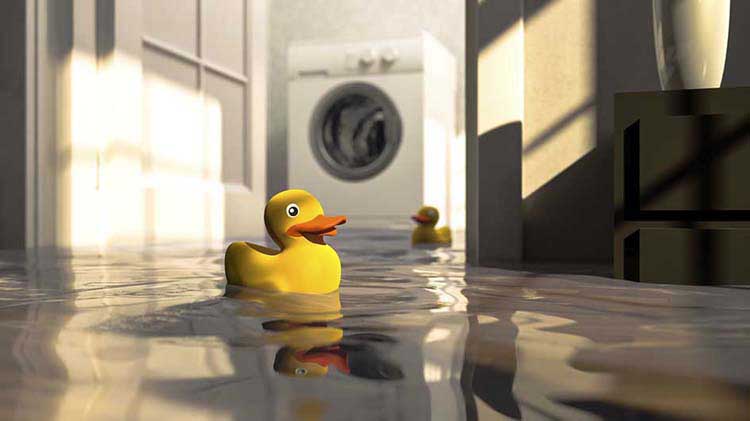
Water leaks, including minor drips from faucets, running toilets and major issues like frozen or burst pipes, should be addressed quickly to help prevent costly damage and high water bills.
- Dripping faucets — can waste gallons of water over time and usually indicate worn-out washers or faulty seals. These should be replaced, or a plumber can be contacted if you are unsure how to fix the issue.
- Running toilets — usually have a faulty flapper or float valve, which can also lead to high water bills. The internal components can be adjusted or replaced to stop the constant flow of water, or a professional can be called if needed.
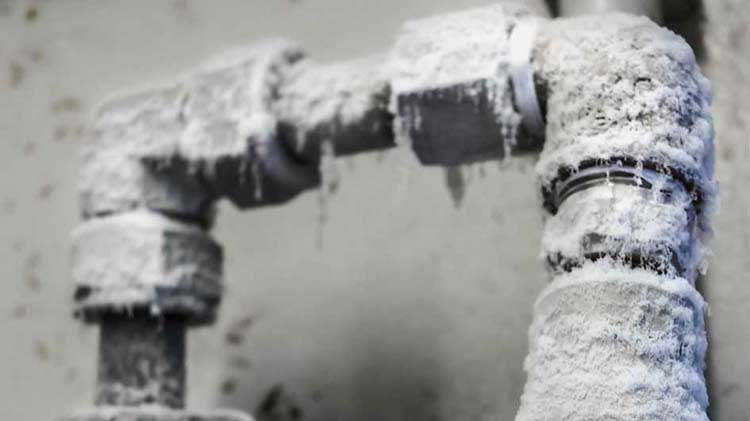
- Frozen pipes — occur in millions of U.S. homes each year, usually due to cold temperatures. If water flow slows or stops, all faucets should be opened and the frozen area(s) located. A hair dryer can be used to apply gentle heat to the pipes until water flows steadily again. Ignoring frozen pipes can lead to bursts, where even a small crack can release hundreds of gallons of water a day.
- Burst pipes — if this occurs, the main water valve should be shut off immediately, and electricity to the affected area should be turned off. Contact a plumber to repair or replace the damaged pipes, and any standing water should be cleaned up to help prevent mold or mildew.
Toilet clog or drain backup
Clogs that cause toilet and tub backups can be a serious issue. Simple clogs can be fixed with a plunger or drain snake, especially if only one fixture is backing up or the problem is new.
Persistent or widespread backups, especially those affecting multiple fixtures, are a sign of a sewer drain clog and require professional plumbing services. Sewer drain clogs are a serious health hazard due to the presence of wastewater containing bacteria, viruses and parasites.
What to do in a sewer drain backup:
- Use stoppers to close drains in plumbing fixtures.
- Vacate affected areas.
- Call a plumber to clear the blockage.
- After you've fixed the problem, call a professional sewage cleanup service to sanitize your home. Most homeowners do not have the proper equipment to clean this kind of mess.
Broken glass
If a glass object, like a cup or bowl, shatters and leaves shards around the area, it may be helpful to take these steps:
- Keep people and animals away from the area.
- Put on shoes and sturdy gloves, like gardening gloves.
- Carefully clean up the shards using a damp paper towel.
- Vacuum the affected area to pick up any remaining small pieces.
Ant infestation
Ants are known to enter homes uninvited, especially when food is left out. If you notice a trail of ants in your home, you’ll want to act quickly to stop the issue before it gets out of hand.
First remove the trail of ants you see either with vinegar spray or an equivalent bug remover. Try to find where they are entering your home from, like cracks or gaps in windows and doors, and set up ant traps nearby. If the problem persists, call a professional to help and see whether a nearby nest may be the cause.
Now that you have learned about some home emergencies and how to prepare for an emergency, you might want to check out tips to prepare for weather emergencies.
The information in this article was obtained from various sources not associated with State Farm® (including State Farm Mutual Automobile Insurance Company and its subsidiaries and affiliates). While we believe it to be reliable and accurate, we do not warrant the accuracy or reliability of the information. State Farm is not responsible for, and does not endorse or approve, either implicitly or explicitly, the content of any third-party sites that might be hyperlinked from this page. The information is not intended to replace manuals, instructions or information provided by a manufacturer or the advice of a qualified professional, or to affect coverage under any applicable insurance policy. These suggestions are not a complete list of every loss control measure. State Farm makes no guarantees of results from use of this information.