Articles to help protect against lightning and hail
Discover more articles to help stay safe during severe weather.
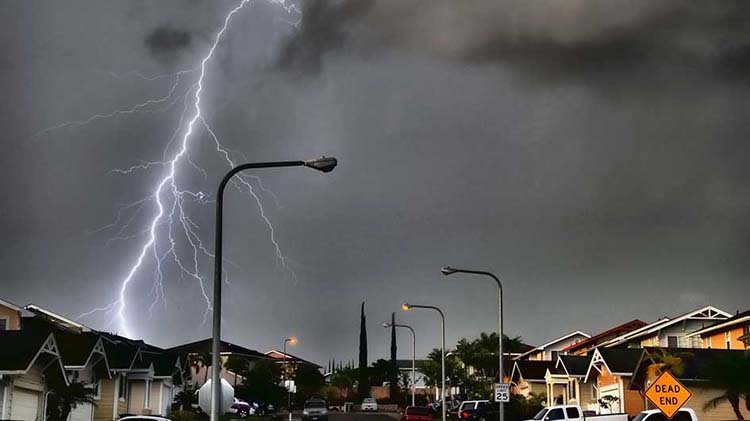
Home lightning protection
Home lightning protection can help reduce the risk of lightning damage and help protect your home.
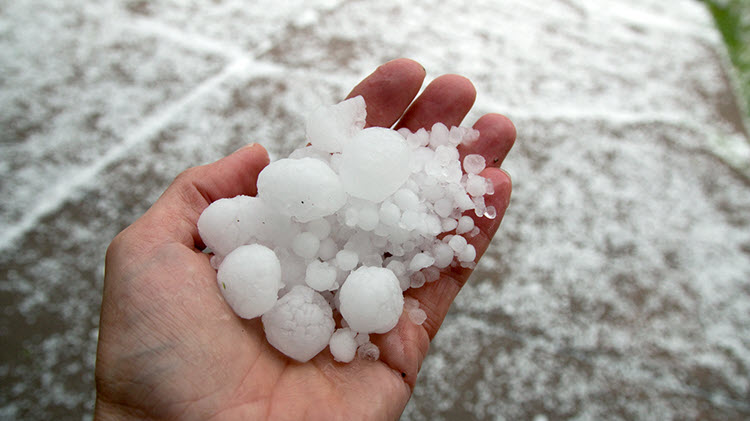
Hail damage on your car: How to spot it and what to do
Hail damage can mean broken glass, dents or even interior damage. We discuss how to spot hail damage and strategies for tackling it.
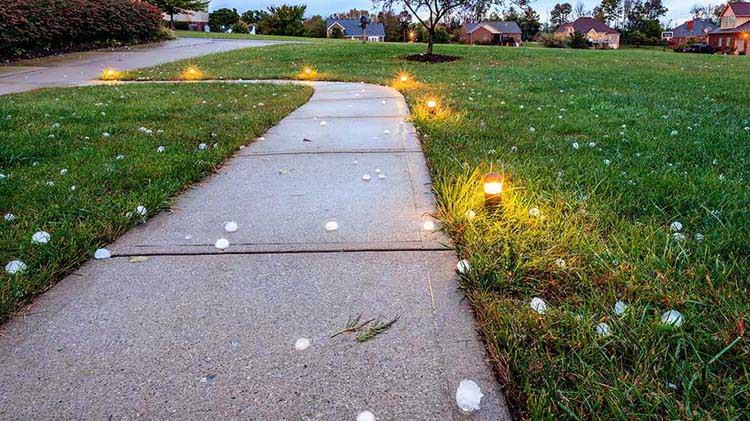
Hailstorm safety tips
These hailstorm safety tips can help you stay safer when hail is in the forecast.
Articles to help protect against snow damage
Discover more articles to help protect against snow and ice.
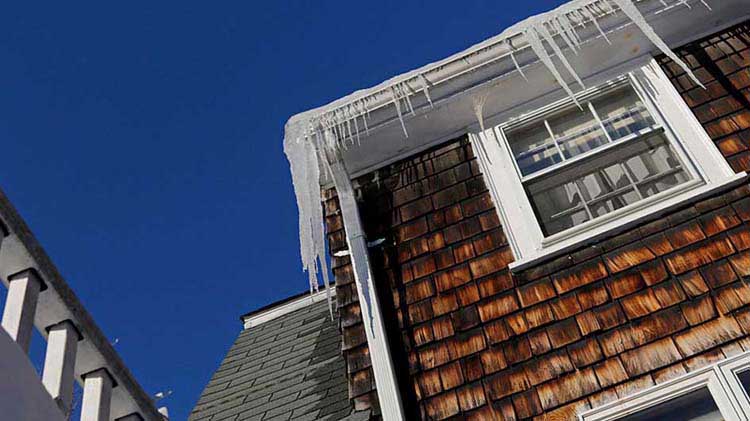
Winter water damage from ice dams, attic condensation & more
Excessive snow on the roof, condensation in the attic and ice buildup can cause roof & water damage and personal injury.
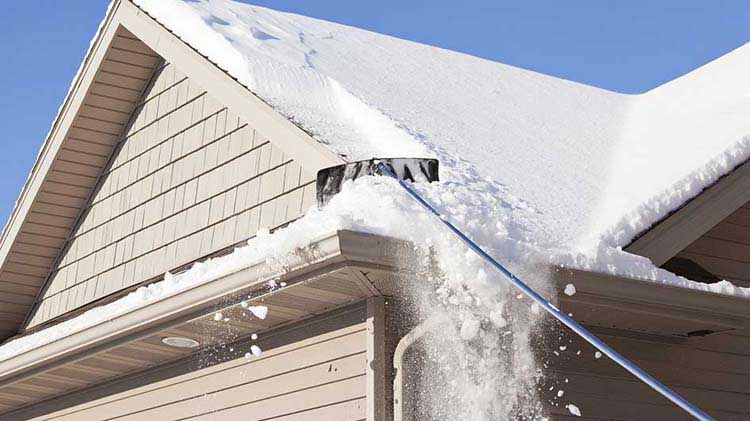
How to remove snow from the roof
Snow on your roof can cause ice dams that result in structural damage. Learn when and how to clear it safely.
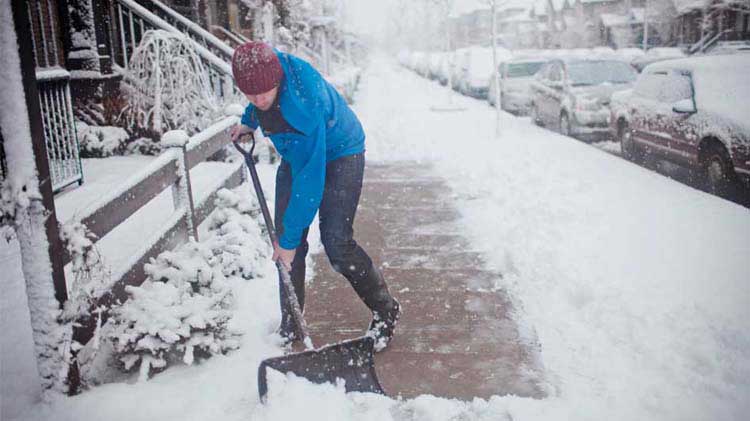
Winter sidewalk safety tips for home and business owners
Winter sidewalk safety is a chore but keeping your sidewalk clear of ice and snow during the winter might help prevent accidents and trouble.
Articles to help protect against rain damage
Discover more articles to help stay safe during severe weather.
Prepare your home for spring weather and severe storms
You can't stop spring showers, but you can prepare your home for spring storms, severe winds and more. Help get your home and family ready with these tips.

How a storm shelter or safe room can help protect against severe weather
Constructing a storm shelter or safe room space within your home can help protect you from natural disasters and weather emergencies.

Make your windows energy efficient
Make your windows energy efficient with simple DIY updates, such as installing storm windows and sealing air leaks with caulk or weather stripping.
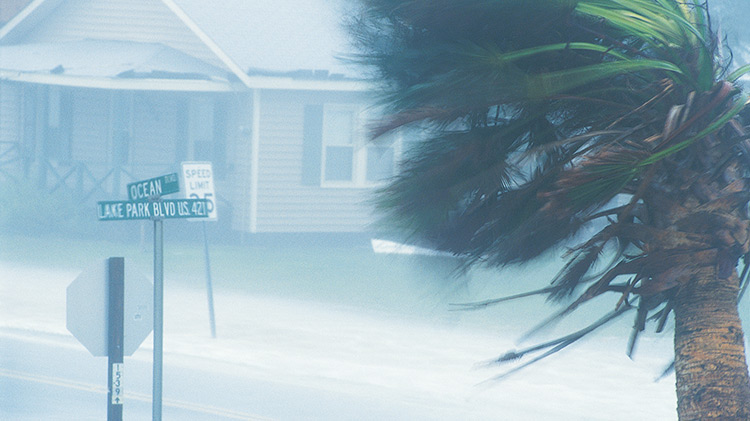
Severe weather safety tips
Severe weather and wind are common throughout the country. Read these storm safety tips to help with your emergency planning.
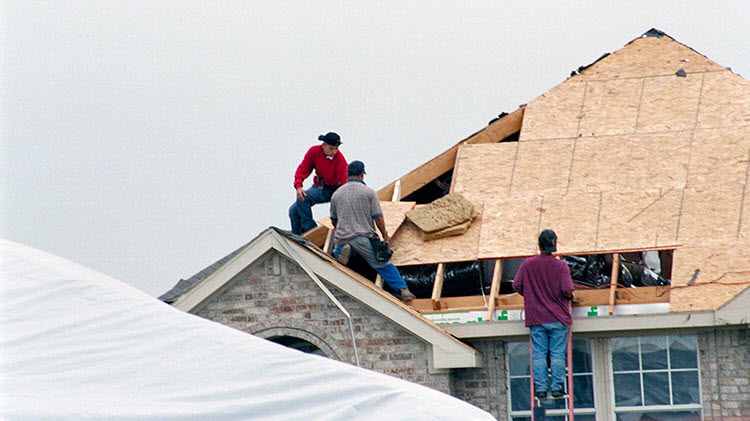
Help protect yourself from contractor fraud
Shady contractors and home repair scams can cost you. Discover tips to help protect yourself from repair scams and learn how to spot home repair fraud.
Articles to help protect against wind damage
Discover more articles to help stay safe during tornadoes and help protect against hurricanes.
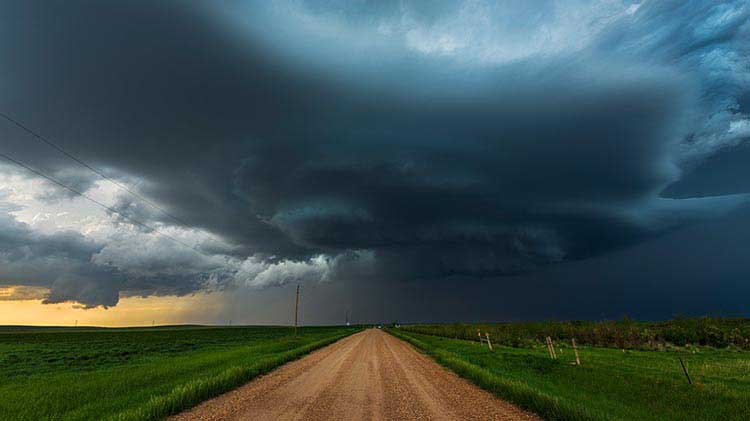
Tornado safety: What to do in a tornado
You see the alert. Your area is under a tornado watch, or even worse, a tornado warning. Know how to prepare, what to do during and after a tornado.
Severe weather safety tips
Severe weather and wind are common throughout the country. Read these storm safety tips to help with your emergency planning.
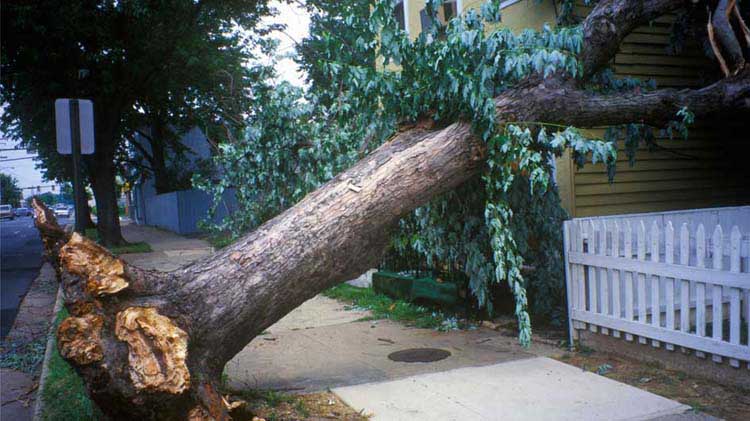
Pay attention to straight-line winds
Learn what straight-line winds are, how they differ from tornadoes and how to stay safe.
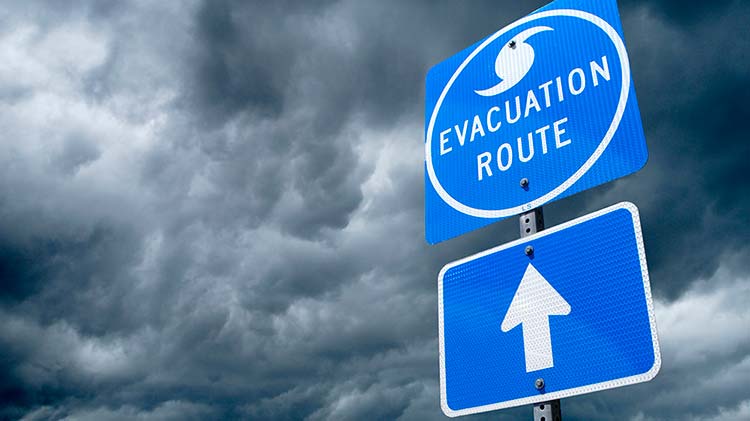
Weathering the storm: essential tips for hurricane preparedness
Actions you can take to help protect your family, home and property when preparing for a hurricane.
Articles to help protect against outdoor fire damage
Discover more articles to help stay safe during a wildfire.
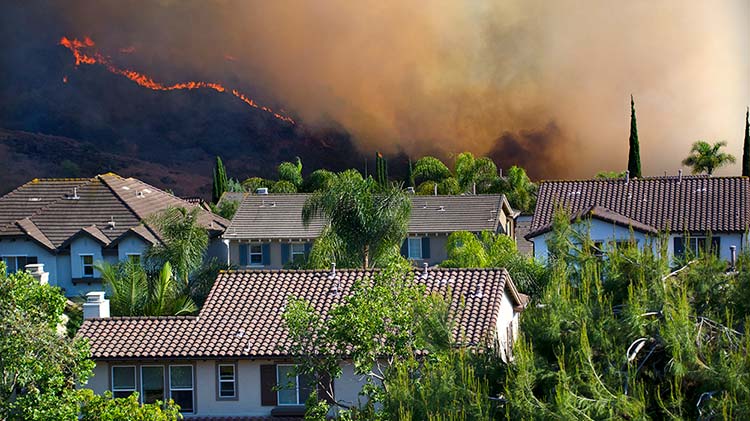
Wildfire safety tips: What to do before and after a wildfire
Learn essential wildfire safety tips to help protect your family and property. Discover how to prepare for wildfires and recover safely afterward.
Articles to help protect against water damage
Discover more articles to help protect against floods.
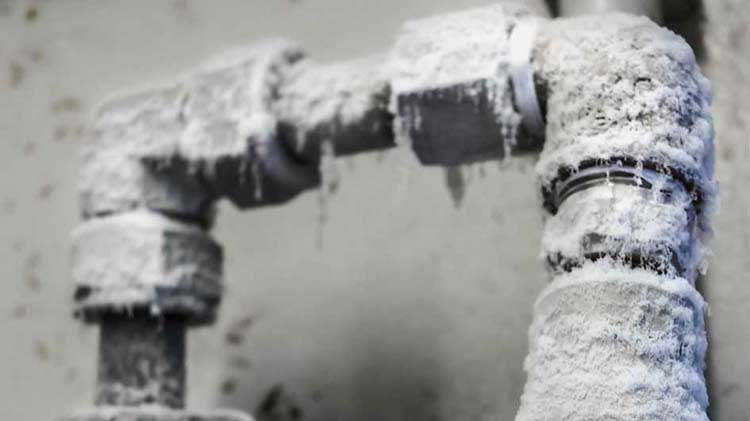
Whole house water leak detection systems with automatic shut-off
Learn how to help prevent costly water damage and the different water leak detection systems with automatic water shut-off valves available on the market today.
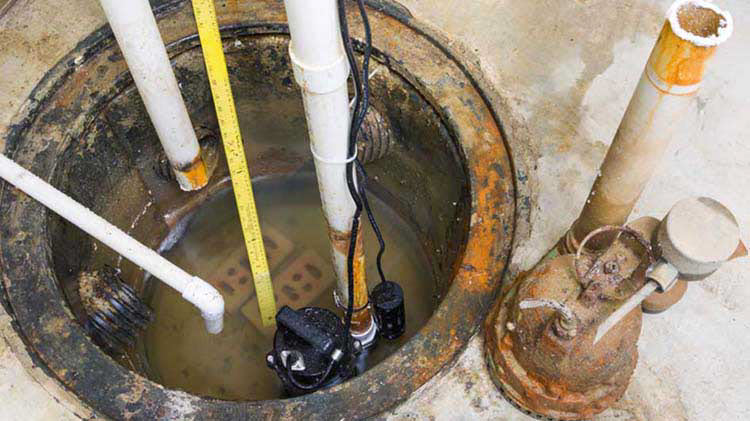
Water in the basement
Help reduce sewer or drain losses in your basement by checking drainage, reducing backflow and installing a sump pump.
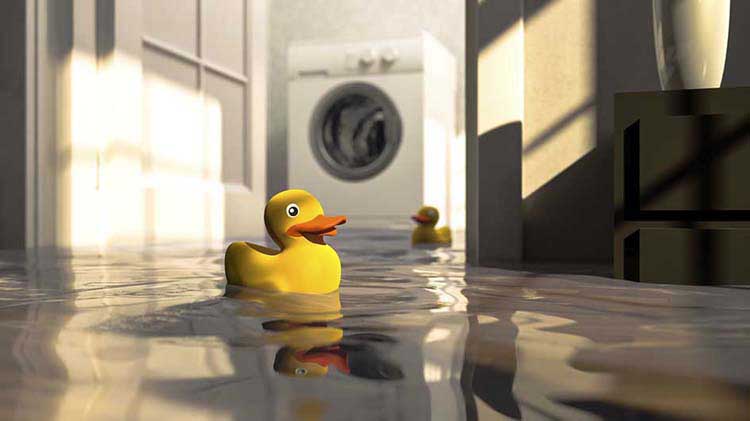
Flooded basement? How to deal with common causes
Wet basement problems can cost you thousands of dollars. Here are steps to help identify the source of the water and ways to minimize your risk.
General articles to protect against the weather

Weatherproofing: How to prepare for a heat wave
As the summer approaches, it’s critical to consider how to prepare for extreme heat. We’ll discuss heat safety tips for your home and vehicle.
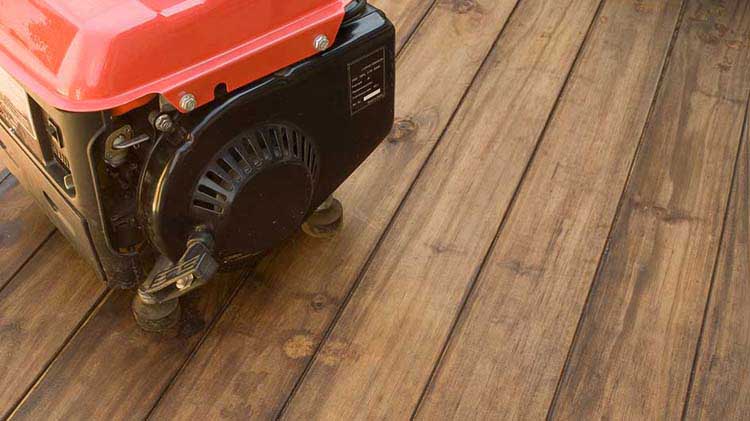
Which emergency backup generator is right for you?
A backup generator can help during a blackout. These tips on permanent and portable generators can help you choose.
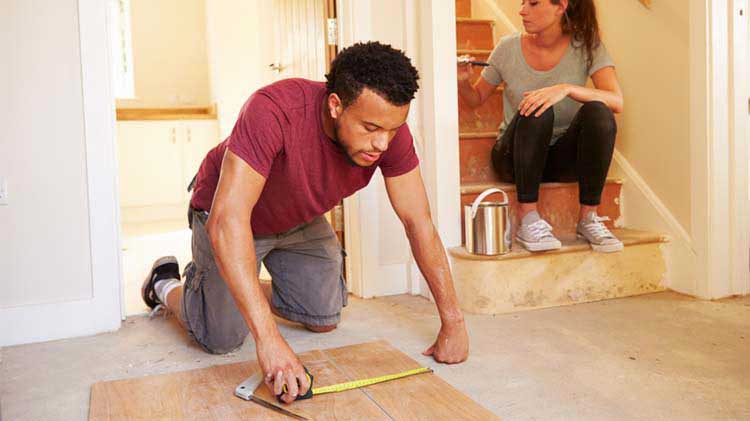
DIY home improvement or hire a pro?
Before jumping into a home improvement project, weigh the pros and cons of a DIY approach vs. hiring a professional contractor.
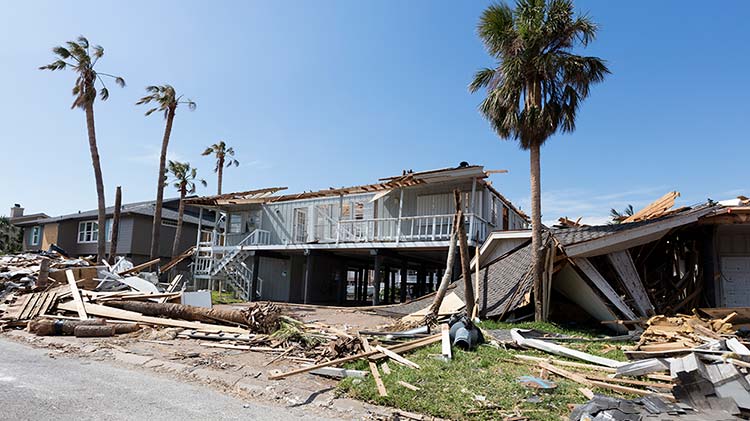
What to do after a hurricane
Helpful tips on what to do after a hurricane, including making an insurance claim, cleaning up your home and repairing damage to your property.
How a storm shelter or safe room can help protect against severe weather
Constructing a storm shelter or safe room space within your home can help protect you from natural disasters and weather emergencies.
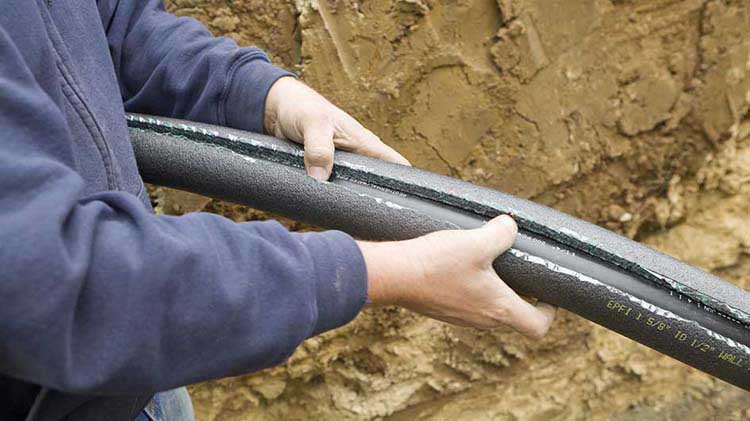
How to help prevent pipes from freezing
Consider these ideas on how to help prevent frozen pipes and what you might try if they do freeze.
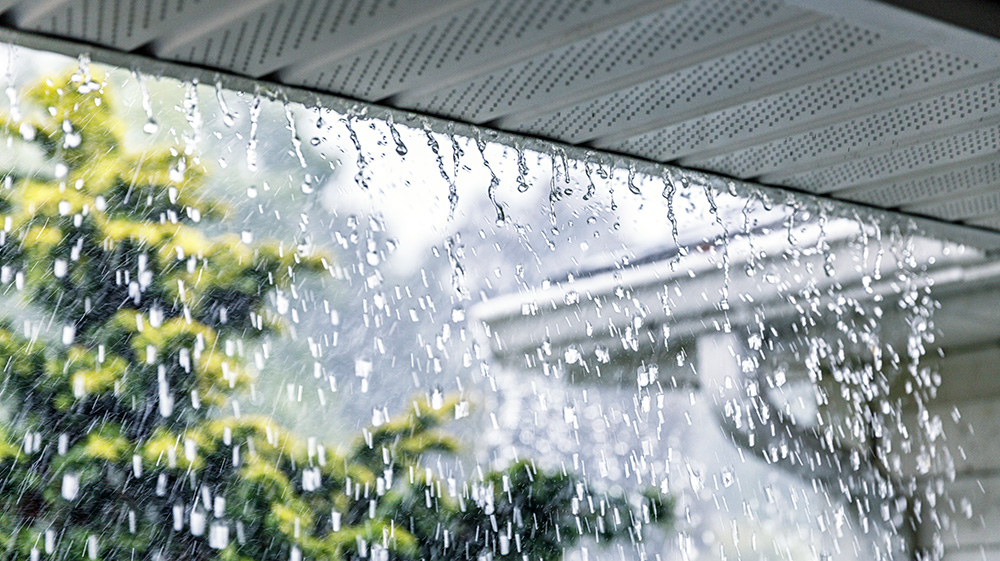
What is an impact-resistant roof?
Weather such as hail, high winds, snow and ice and even nearby wildfires can weaken or destroy your roof system. Impact-resistant shingles can help.
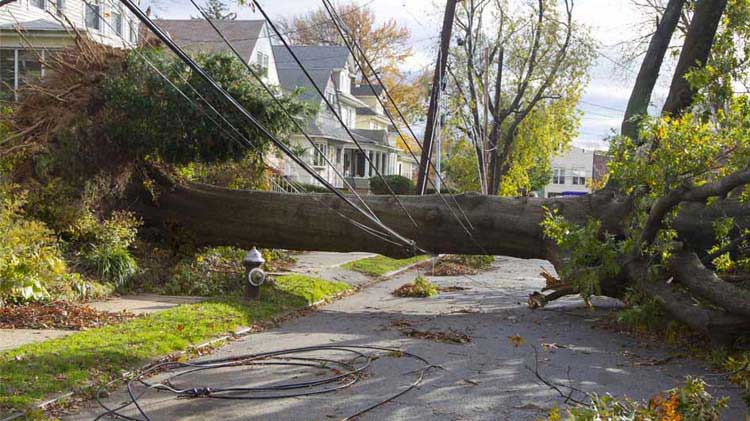
Power outage preparedness tips
Learn some power outage preparedness tips, including what do before, during and after it happens.
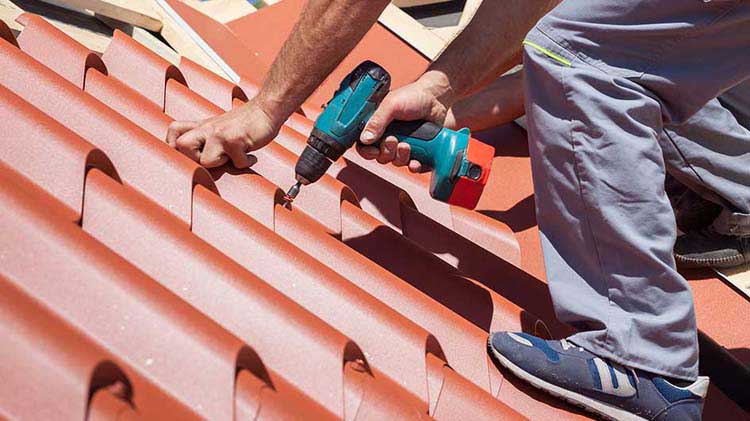
Pros and cons of metal roofs for your home
The benefits of a metal roof may outweigh traditional asphalt shingles, especially when you consider a metal roof lifespan.
The information in this article was obtained from various sources not associated with State Farm® (including State Farm Mutual Automobile Insurance Company and its subsidiaries and affiliates). While we believe it to be reliable and accurate, we do not warrant the accuracy or reliability of the information. State Farm is not responsible for, and does not endorse or approve, either implicitly or explicitly, the content of any third party sites that might be hyperlinked from this page. The information is not intended to replace manuals, instructions or information provided by a manufacturer or the advice of a qualified professional, or to affect coverage under any applicable insurance policy. These suggestions are not a complete list of every loss control measure. State Farm makes no guarantees of results from use of this information.