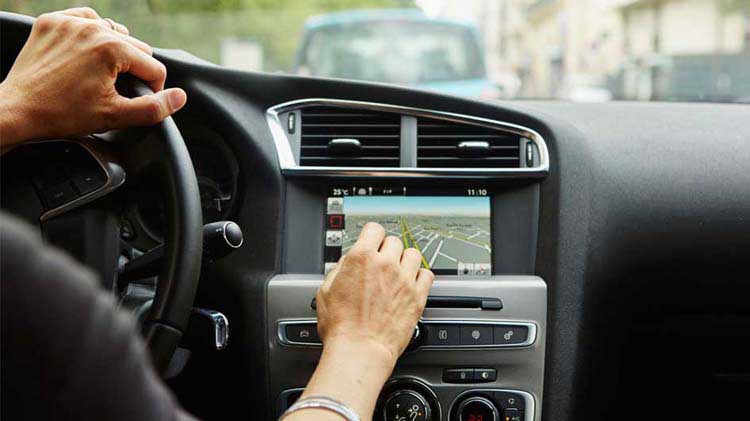
What is telematics and how is it used?
Discover how telematics technology tracks your driving data to calculate auto insurance costs and unlock potential discounts.
Overview: Telematics is a technology that can collect driving data, such as mileage, speed and braking habits, through a smartphone app or plug-in device. Insurance companies may consider this data when determining premiums or offering potential discounts for certain driving habits. Telematics may also offer benefits like roadside assistance, emergency response, vehicle tracking, maintenance alerts and personalized driving feedback. When considering a telematics system, think about your goals, such as potential insurance savings, safer driving, or vehicle maintenance.
Your driving habits may affect your car insurance premium, in part through technology known as telematics. Telematics uses a smartphone app or plug-in device in your car to collect data, such as mileage, speed and braking patterns. This data may be used in usage-based insurance programs (UBI) to help determine premiums and potential discounts.
Telematics and how driving data is used in auto insurance
Insurance companies use telematics to collect information to better understand your actual driving patterns, rather than relying on factors like age, driving record or location. Specifically, usage-based insurance programs analyze your everyday driving habits, such as how far and how safely you drive, to determine premiums and if you may qualify for discounts on your policy.
Here are some common types of data that’s collected in these programs:
- Miles driven — The total distance you drive, as more miles may mean more risk exposure.
- Speed — Regularly driving above the speed limit may be viewed as riskier behavior.
- Braking and acceleration — Hard braking or rapid acceleration may indicate less cautious driving.
- Cornering — Taking turns too quickly or sharply may signal aggressive driving habits.
- Time of day — Driving late at night is statistically linked to higher accident rates.
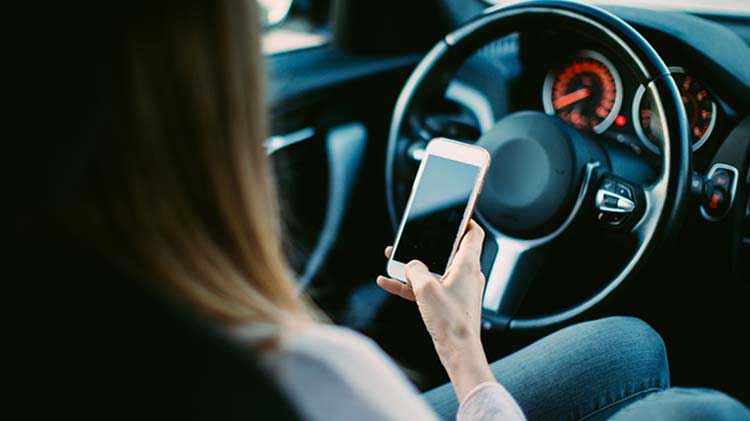
- Phone use — Some telematics apps can detect if you use your phone while driving, which is a key factor in distracted driving risk.
By monitoring these factors, insurance companies can better assess your risk, typically providing two main types of voluntary usage-based insurance programs:
Pay-How-You-Drive (PHYD)
Driving behaviors
Consistently demonstrating safe driving habits, such as smooth braking and acceleration and maintaining appropriate speeds
Drivers who regularly practice safe driving
Pay-As-You-Drive (PAYD)
Mileage driven
By driving fewer miles per year than the average driver
Low-mileage drivers
One such example is the State Farm® program that uses telematics to help drivers save money by demonstrating good driving habits. Check out an overview of the Drive Safe & Save® program here.
Other ways automotive telematics technology can be beneficial
In addition to your driving data potentially influencing your insurance rates, telematics can also be used for several other valuable purposes. For example, location data gathered through telematics systems can be shared with police and emergency responders if you’re involved in a crash, which may help them reach the scene more quickly and accurately. This same information can also assist a tow truck driver in finding you if you break down in an unfamiliar area.
Beyond safety and emergency support, telematics can also monitor your vehicle’s performance and health. Mechanics or technicians can remotely review diagnostic data to help identify potential issues more efficiently, which may lead to faster repairs and help prevent more serious problems down the road.
Why should I consider sharing data through telematics?
Automotive telematics isn’t just about sending data from your vehicle. These systems also allow you to receive valuable information and support. Some of the benefits to consider include:
- Roadside assistance — telematics can quickly connect you to live support, whether you need help after a breakdown, directions or even assistance with making reservations nearby. In the event of a crash, certain monitoring services can automatically alert emergency responders and dispatch help to your location.
- Convenience — many telematics systems provide easy access to useful information like email, weather updates, traffic conditions, stock market reports and even social media, all from your vehicle.
- Safety — advanced telematics systems use GPS to help you locate your car if it’s stolen or simply misplaced in a parking lot. Some systems also offer remote features, such as locking and unlocking your doors or starting your car using your smartphone. Additionally, you may be able to access feedback on your driving habits, which can give you the chance to improve your skills and potentially reduce your risk of accidents.
- Discounts — telematics may also provide you with practical financial benefits. For example, the State Farm Drive Safe & Save program uses telematics data to reward safe driving habits. The safer you drive, the more you could save on your auto insurance. The program offers an initial discount just for enrolling, with the potential to save up to 30%1 based on how you drive.
- Preventive maintenance — your vehicle’s telematics system can give you real-time updates on its overall condition. By sharing important diagnostic information, telematics can help you and your service technicians identify potential issues early, which may make it easier to perform preventive maintenance and reduce the risk of unexpected breakdowns.
How do I choose the right automotive telematics system for me?
To find the right fit for your needs, consider which benefits are important to you. Remember, some telematics systems are already installed in new vehicles and may be activated for free after purchase but could require a monthly or annual subscription once the trial period ends. Other options are easy to add with minimal, or no installation required.
For example, if you’re interested in lowering your car insurance premium, ask your insurance provider if they offer a telematics program and what equipment is needed. The State Farm Drive Safe & Save program allows you to use either a mobile app or your vehicle’s built-in system to participate, depending on your car’s make and model. If you want to monitor your vehicle’s health, consider consulting your mechanic or dealership for recommendations on systems that track your car’s condition and performance.
How can safe driving telematics tools help me?
Safe driving telematics tools do much more than show you the nearest gas station. They collect and analyze data about your driving habits to help you identify risky behaviors, such as hard braking or speeding, and offer personalized feedback to help make your trips safer. This can also be done for instances where multiple drivers share a vehicle.
By working in the background, even during uneventful drives, these digital apps provide insights into when and where you might be at higher risk, which can encourage you to adjust specific negative habits like using your phone behind the wheel or exceeding speed limits in familiar areas. Many of these tools also give you scores or rankings based on your driving, which may make it easier to track your progress and motivate yourself to adopt safer driving practices over time.
Check with your local State Farm agent today to see if automotive telematics is available.
1Return to reference Discounts may exceed 30% and vary state-to-state (NY capped at 30%). Not available in CA, MA, RI. A discount may not be available in NC depending on individual facts and circumstances. Setup required.
The information in this article was obtained from various sources not associated with State Farm® (including State Farm Mutual Automobile Insurance Company and its subsidiaries and affiliates). While we believe it to be reliable and accurate, we do not warrant the accuracy or reliability of the information. State Farm is not responsible for, and does not endorse or approve, either implicitly or explicitly, the content of any third-party sites that might be hyperlinked from this page. The information is not intended to replace manuals, instructions or information provided by a manufacturer or the advice of a qualified professional, or to affect coverage under any applicable insurance policy. These suggestions are not a complete list of every loss control measure. State Farm makes no guarantees of results from use of this information.
This content was developed with the help of AI and reviewed by State Farm editors.
State Farm Mutual Automobile Insurance Company
State Farm Indemnity Company
Bloomington, IL
State Farm County Mutual Insurance Company of Texas
Richardson, TX