Earthquake
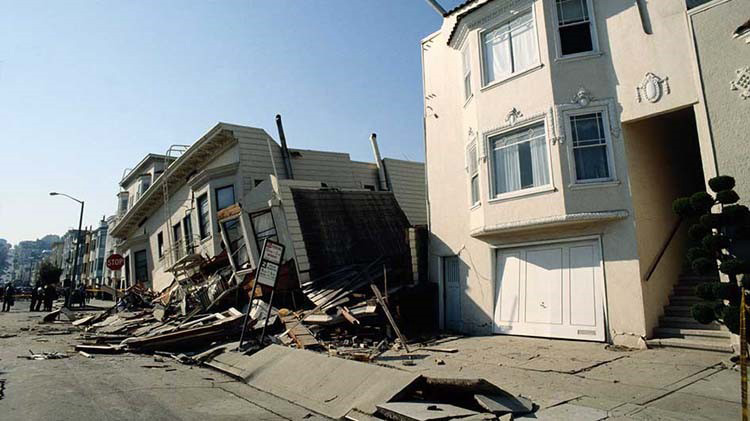
Do you need earthquake insurance if you don't live on the coast?
According to USGS, various U.S. locations have experienced earthquakes of magnitude four or more in recent years. Earthquake insurance can be valuable to all homeowners.
Preparing your home for an earthquake
Before an earthquake happens, help prepare your family and your home with an earthquake preparedness plan.
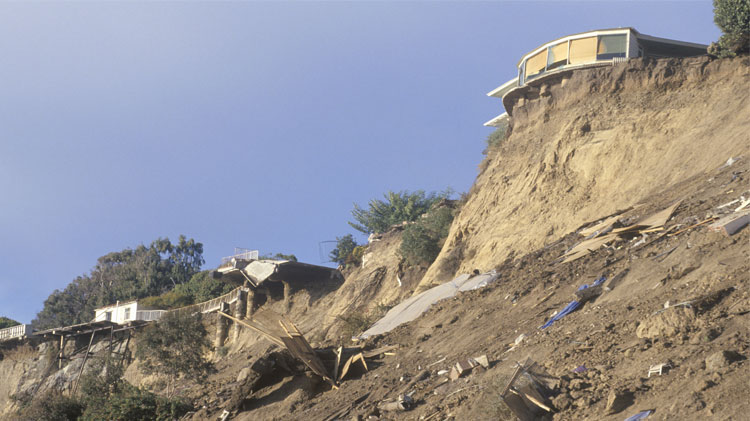
What to do after an earthquake
Steps to stay safe after an earthquake and ways to help protect your property.
Fire prevention
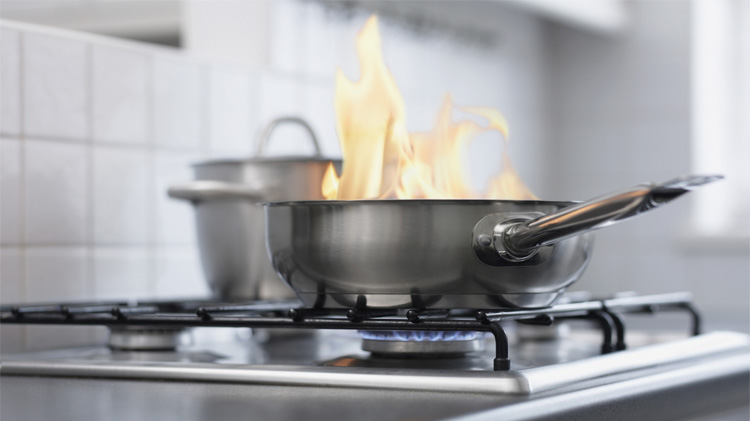
Help protect your home against common causes of house fires
Devastating home fires are an unfortunate reality. Learn about the causes of house fires and precautions to help prevent a fire before it starts.
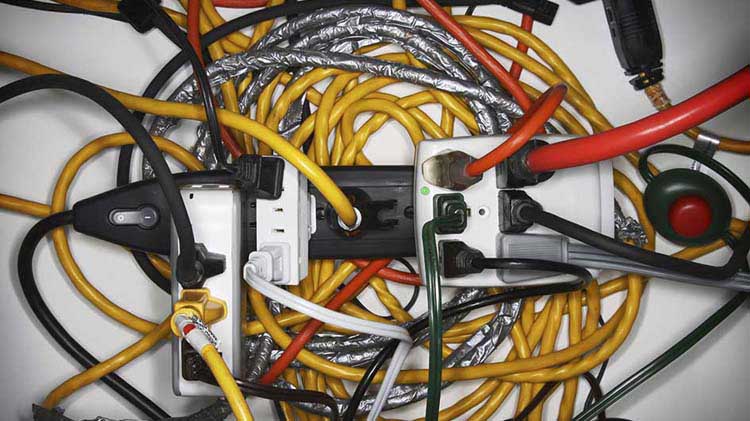
Extension cord safety: What to do and what to avoid
An extension cord is handy to have in the home or office, but without caution it can become a fire hazard. Here are tips for using an extension cord safely.
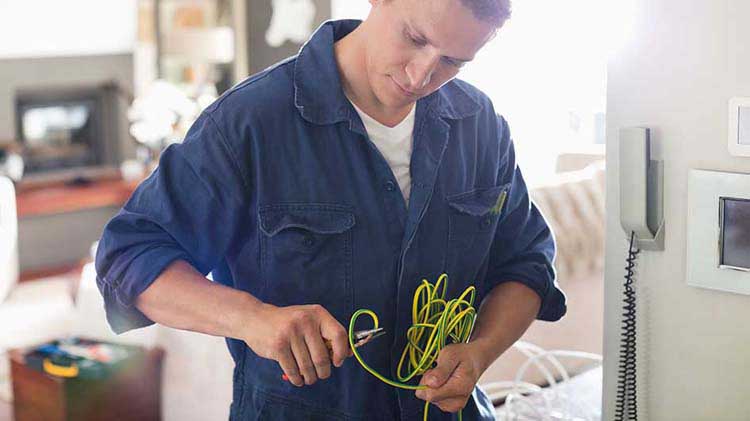
11 signs you should think about rewiring your home
Rewiring a house may be a good idea if you notice one or more of these 11 telltale signs from State Farm. Read them now.
Flood
Flooded basement? How to deal with common causes
Wet basement problems can cost you thousands of dollars. Here are steps to help identify the source of the water and ways to minimize your risk.
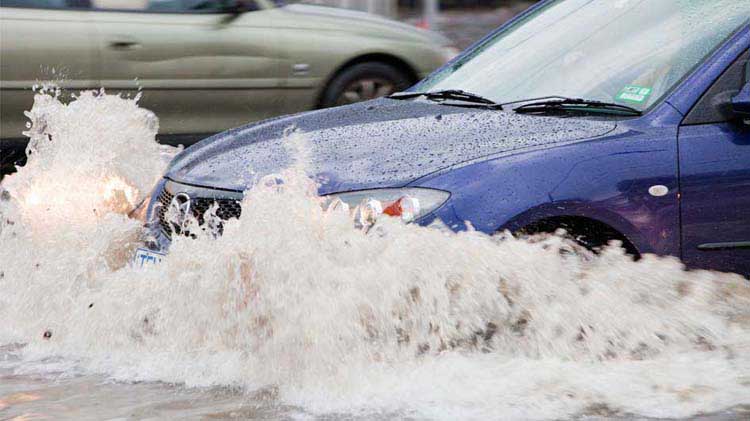
What to do if your car has flood damage
If floodwater partially or fully submerges your car, don’t start it. Consider following this flood damage checklist and file a claim if needed.
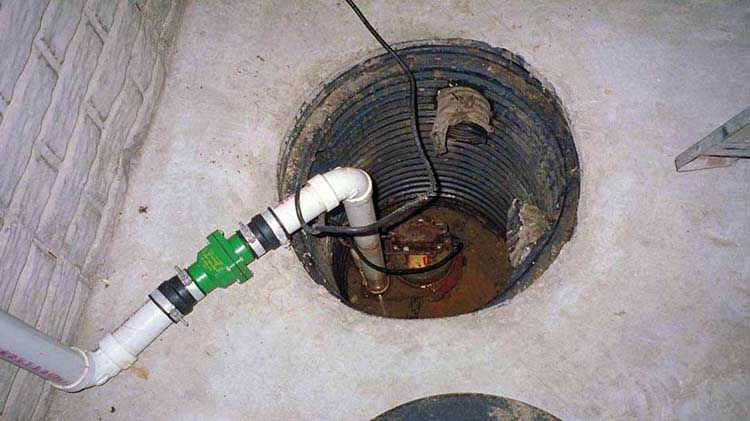
Sump pump basics
Find out how sump pumps can help prevent water from damaging your home or business.
Hurricane
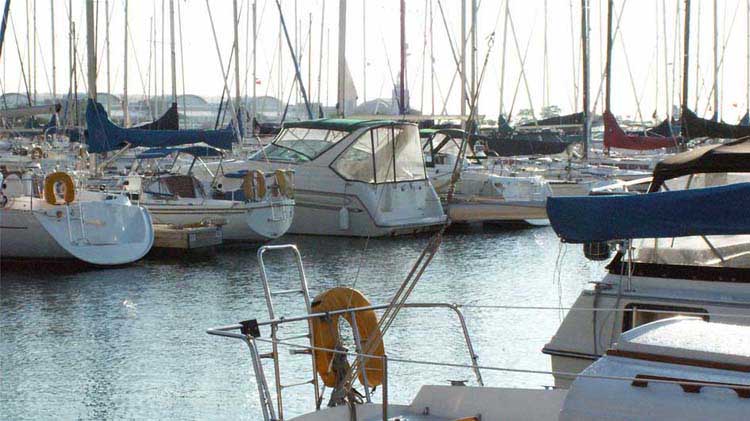
Preparing your boat for a hurricane
Before hurricane season hits, consider preparing your boat in case of a storm. Some advance planning may help protect your boat in a hurricane.
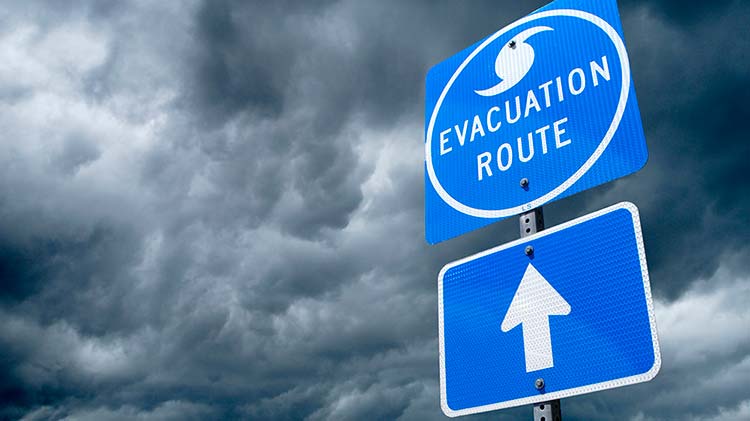
Weathering the storm: essential tips for hurricane preparedness
Actions you can take to help protect your family, home and property when preparing for a hurricane.
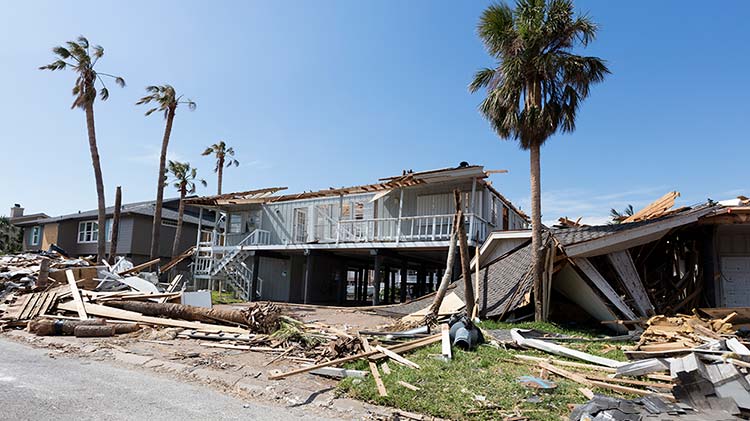
What to do after a hurricane
Helpful tips on what to do after a hurricane, including making an insurance claim, cleaning up your home and repairing damage to your property.
Severe weather
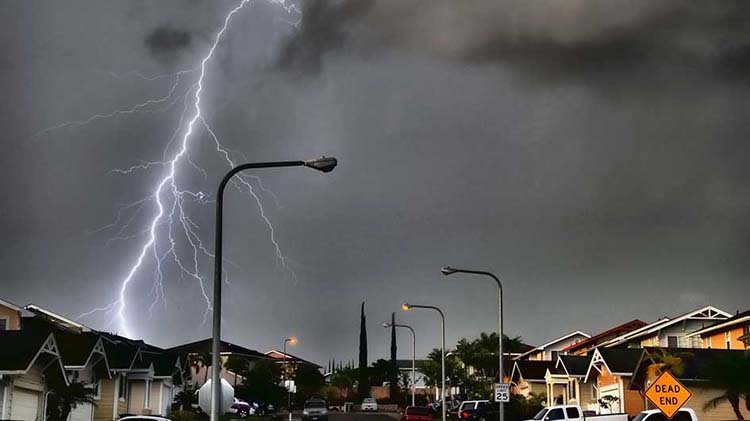
Home lightning protection
Home lightning protection can help reduce the risk of lightning damage and help protect your home.
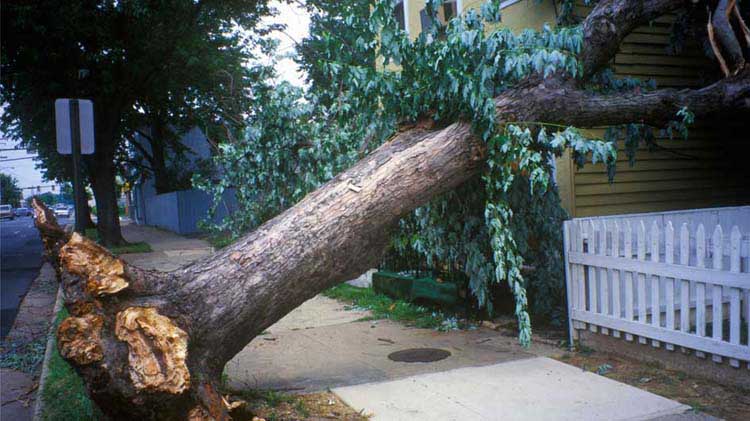
Pay attention to straight-line winds
Learn what straight-line winds are, how they differ from tornadoes and how to stay safe.
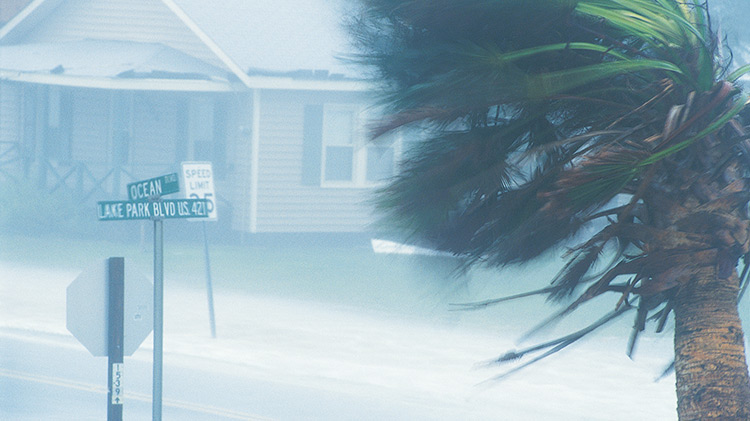
Severe weather safety tips
Severe weather and wind are common throughout the country. Read these storm safety tips to help with your emergency planning.
Tornado
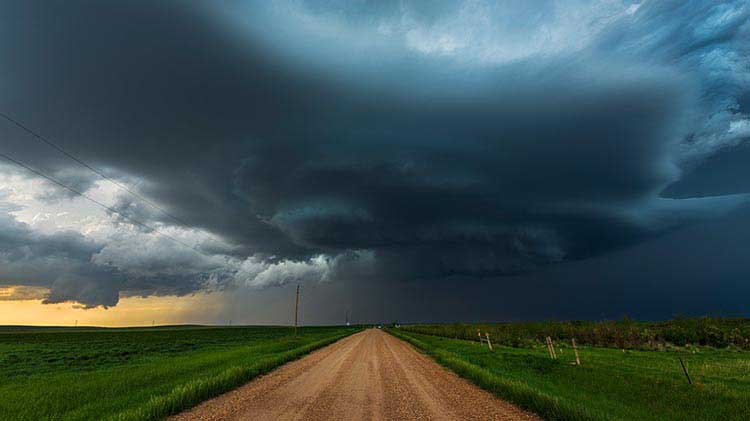
Tornado safety: What to do in a tornado
You see the alert. Your area is under a tornado watch, or even worse, a tornado warning. Know how to prepare, what to do during and after a tornado.
Wildfire
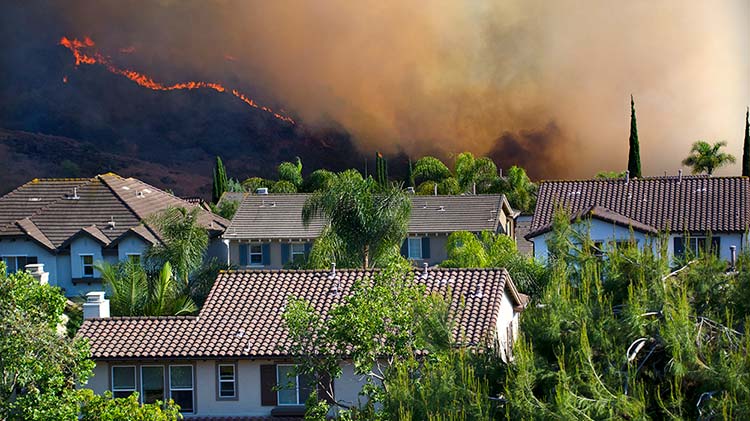
Wildfire safety tips: What to do before and after a wildfire
Learn essential wildfire safety tips to help protect your family and property. Discover how to prepare for wildfires and recover safely afterward.
Winter storm
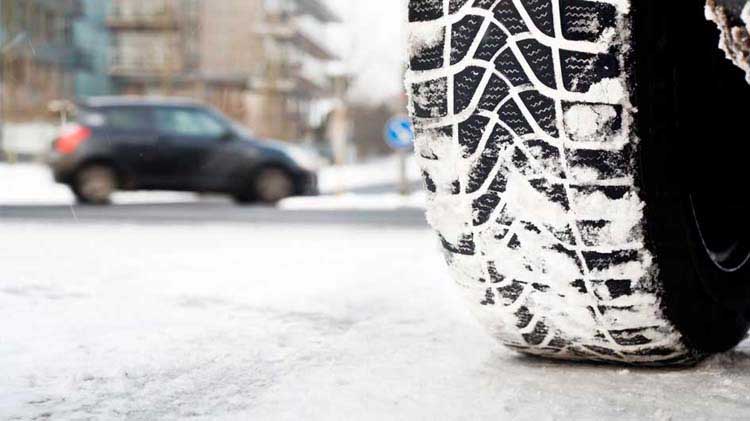
Winter car tips
Help keep your car running smoothly in the winter months and avoid long-term damage with these winter car tips.

What is hypothermia? Signs and causes
Hypothermia is caused by prolonged exposure to the cold either on land or in the water. Learn more about this life-threatening condition.
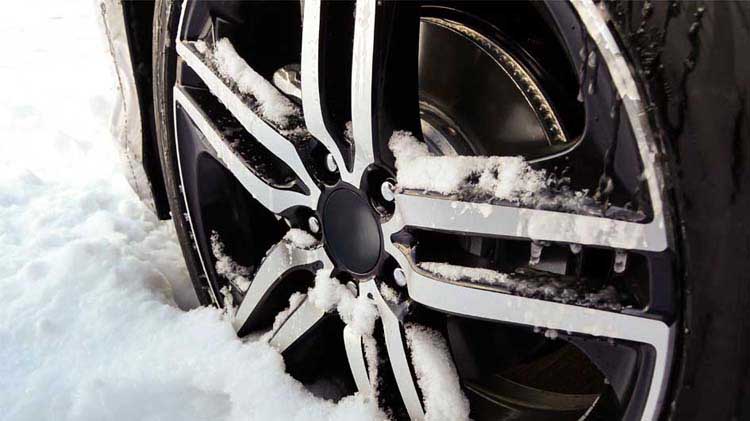
What are the best tires for winter driving?
For your safety, know the best tires you need for winter driving, and how best to maintain them for the most effective tire safety.
Being prepared for bad weather
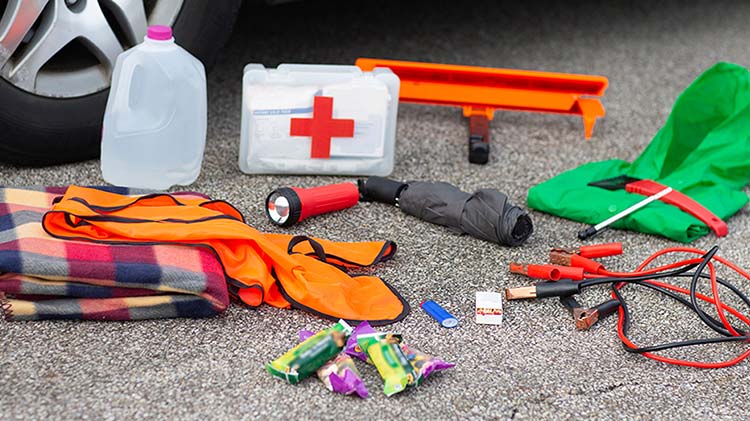
What to include in an emergency kit
Having emergency kit supplies prepared ahead of time may give you the resources you and your family need to stay safe.
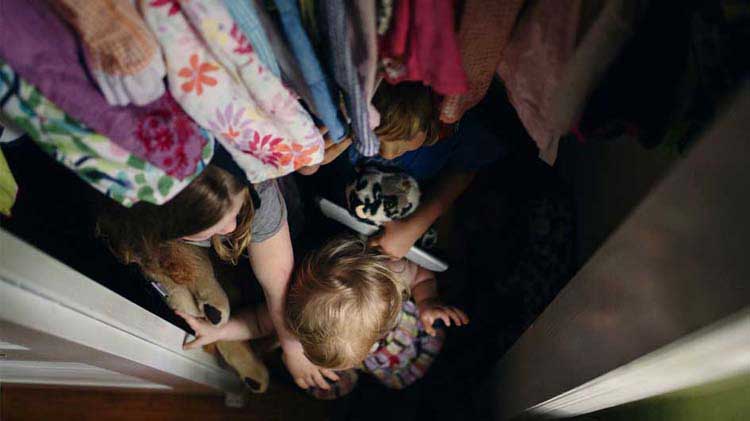
How a storm shelter or safe room can help protect against severe weather
Constructing a storm shelter or safe room space within your home can help protect you from natural disasters and weather emergencies.

Prepare a babysitter checklist
Consider putting together a checklist for yourself and a list of important information about your child, family and home to help prepare your babysitter.
After the storm
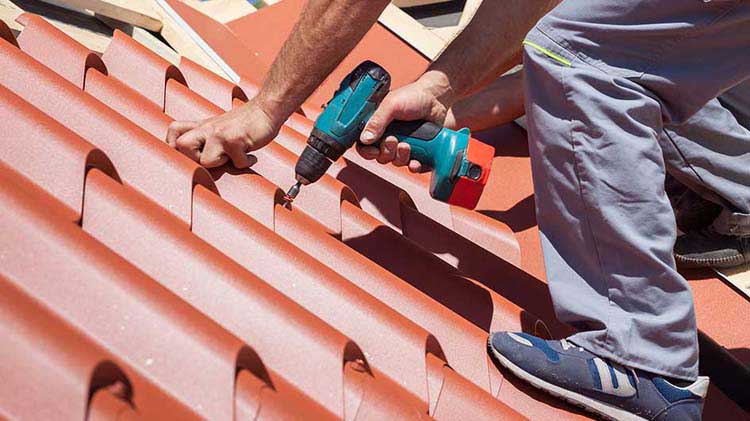
Pros and cons of metal roofs for your home
The benefits of a metal roof may outweigh traditional asphalt shingles, especially when you consider a metal roof lifespan.
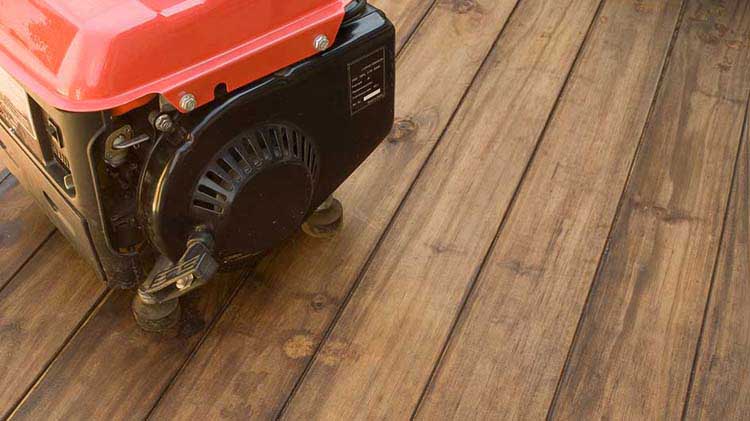
Which emergency backup generator is right for you?
A backup generator can help during a blackout. These tips on permanent and portable generators can help you choose.
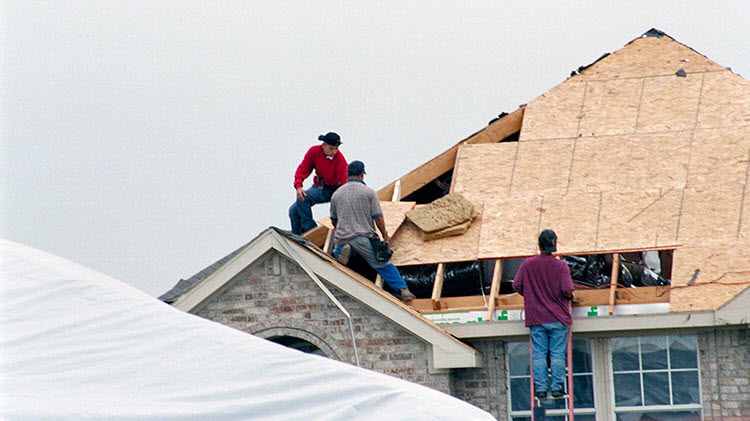
Help protect yourself from contractor fraud
Shady contractors and home repair scams can cost you. Discover tips to help protect yourself from repair scams and learn how to spot home repair fraud.
The information in this article was obtained from various sources not associated with State Farm® (including State Farm Mutual Automobile Insurance Company and its subsidiaries and affiliates). While we believe it to be reliable and accurate, we do not warrant the accuracy or reliability of the information. State Farm is not responsible for, and does not endorse or approve, either implicitly or explicitly, the content of any third party sites that might be hyperlinked from this page. The information is not intended to replace manuals, instructions or information provided by a manufacturer or the advice of a qualified professional, or to affect coverage under any applicable insurance policy. These suggestions are not a complete list of every loss control measure. State Farm makes no guarantees of results from use of this information.